
Skip to content
Type
Webinar

Designing cities for night-time: safer cities after dark

Event organised by ICE

Date
25 March 2026
Time
12:30 - 13:30 GMT
Location
Online

This event has now ended

Overview

This event explores how cities can become safer, more inclusive and more welcoming after dark through evidence-based night-time design.

Drawing on Arup’s latest research, attendees will learn why traditional approaches to lighting often fail to create a sense of safety, and how a more holistic, human-centred strategy can transform the experience of urban spaces at night. The session will delve into the five key principles that underpin effective night time design – emphasising quality over brightness, layered and contextual lighting, and the importance of reflecting diverse lived experiences in every design decision. 

Participants will be introduced to Arup’s suite of night time design tools, including Night Walks, the Night-time SPeAR framework and the Night-time Vulnerability Assessment (NVA). These methodologies demonstrate how combining data, community insight and on site assessment leads to more accurate identification of vulnerable areas and more meaningful improvements to safety and comfort.

The event will also feature a detailed look at the Piccadilly Gardens case study, where NVA findings revealed patterns in crime, shifts in public perception after dusk and clear priorities for future lighting and spatial intervention.

Programme

12:30 - 12:35

Welcome and introduction

12:35 - 13:15

Presentation

13:15 - 13:30

Q&A session

13:30

Event ends

Speaker

Richard Morris

Richard Morris

Arup

associate lighting designer

Read more

Richard Morris

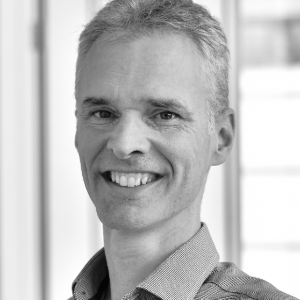
Richard Morris is an associate lighting designer with more than 25 years of experience shaping how people experience light in cities, public spaces and complex infrastructures. His work centres on human-centred and evidence-based lighting design, exploring the relationship between night-time environments, perceptions of safety and the emotional and functional needs of users. 

Richard’s interest in lighting for people is reflected in projects like the Bolton Town Centre Night-time Vision, where he applied the Night-time Vulnerability Assessment framework to strengthen safety, identity and wayfinding across the public realm. His commitment to sensitive and context-driven design also underpins schemes like Castlefield Viaduct, where gentle, low impact lighting enhances visitor experience while protecting ecological habitats, and the Royal Liver Building, where a façade lighting strategy renewed a heritage landmark’s civic presence. 

Richard’s research, The Role of Lighting in Town Centre Regeneration, brings socio economic evidence to the value of night-time lighting, showing how well designed illumination can boost local economies, support recovery and enhance wellbeing. He continues to champion lighting’s role in creating safer, more inclusive and more vibrant urban environments.