





To mark UNESCO’s 80th anniversary, we explore some of the UK’s engineering wonders that have been deemed to have outstanding universal value.

The halls of One Great George Street, the ICE's HQ in London, are steeped in history.
It boasts its Great Hall, with the iconic painted ceiling and magnificent chandeliers.
Observant visitors might spot a plaque on one of its walls.
It marks the signing of the constitution of UNESCO, the UN Educational, Scientific and Cultural Organisation, on 16 November 1945 - 80 years ago now.
One of UNESCO’s aims is to protect natural and cultural sites that have an ‘outstanding universal value’.
The now famous World Heritage Site list includes over 1,200 places in over 170 countries or states, including many civil engineering wonders in the UK.
How many of these have you visited?
1. The Forth Bridge, designated a World Heritage Site in 2015
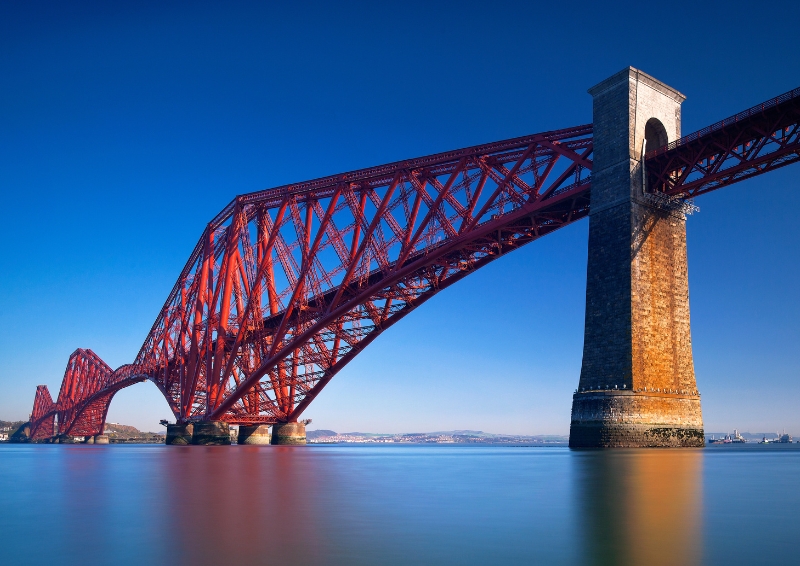
Built between 1882 and 1889, the Forth Bridge was the first major bridge to be made entirely of steel. It’s held together by 6.5 million rivets!
When it was built, its two 521m cantilever spans were the longest in the world at 521m.
It was designed by two ICE Past Presidents: Sir Benjamin Baker and Sir John Fowler.
Despite refurbishment work over the years, the design of the bridge has remained as built and it continues to be an important part of the rail infrastructure.
2. Pontcysyllte Aqueduct and Canal, designated a World Heritage Site in 2009

The Llangollen canal with 32 listed structures has also been designated a Scheduled Ancient Monument of National Importance, and an Area of Outstanding Natural Beauty.
But Thomas Telford’s aqueduct is the star of the show!
Perched on 18 hollow masonry arches, it allows the canal to cross the Llangollen valley over the River Dee while offering stunning views.
At 307m long, the 1805 structure is the longest aqueduct in Britain. It was originally planned to link with the Ellesmere canal linking the River Severn at Shrewsbury to the Mersey and Liverpool.
3. Ironbridge Gorge, designated a World Heritage Site in 1986
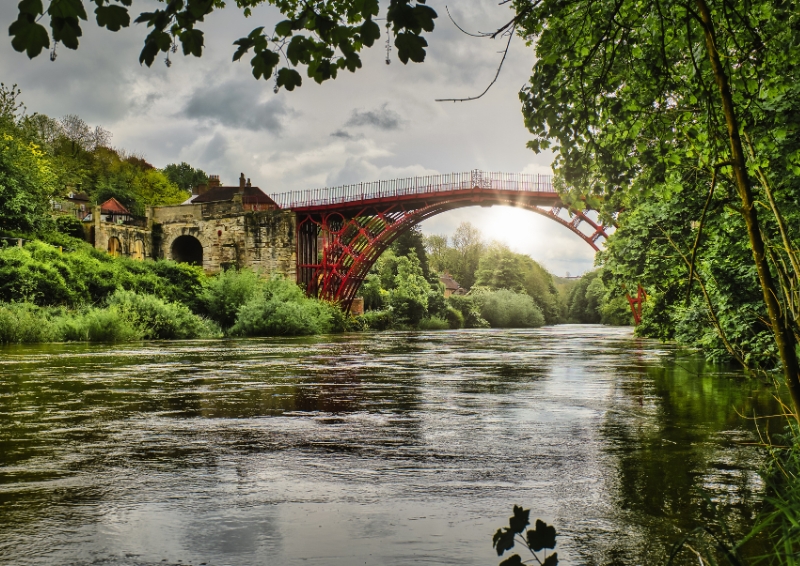
The Ironbridge Gorge is considered by many to be the birthplace of the Industrial Revolution.
The gorge includes Coalbrookdale, where Abraham Darby discovered how to smelt iron using coke instead of charcoal. This allowed cheaper and stronger iron castings to be mass produced.
The centrepiece of the gorge is the famous Iron Bridge, the first major cast iron bridge in the world.
It was built in 1779 by Abraham Darby III, ironmaster, using a design by Thomas Farnolls Pritchard and remains in use today, although only by pedestrians.
Despite problems with the stone abutments over the years due to landslips, the ironwork has remained mainly original.
The bridge was restored in 2018, and alongside the surrounding buildings and museums, continues to attract over 300,000 visitors annually.
4. Jodrell Bank Observatory, designated a World Heritage Site in 2019
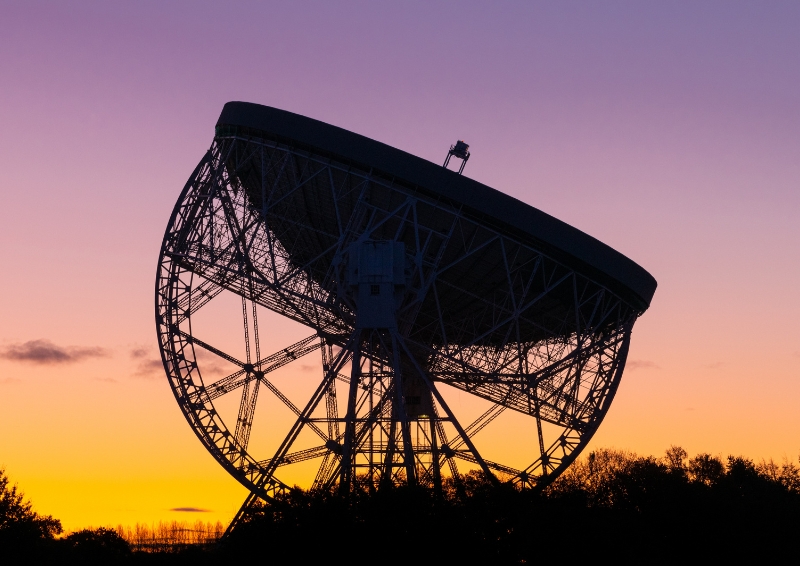
Jodrell Bank is one of the world's leading radio astronomy observatories. It’s home to the Lovell telescope, commissioned in 1957.
With a 76.2m diameter, it was the largest steerable dish telescope in the world at the time and remains the third largest today.
The telescope has played a key part in astronomical research over the past 50 years. This has included surveys of radio emissions from other galaxies, and investigations into the sun and meteors.
5. Royal Botanic Gardens, designated a Kew World Heritage Site in 2003
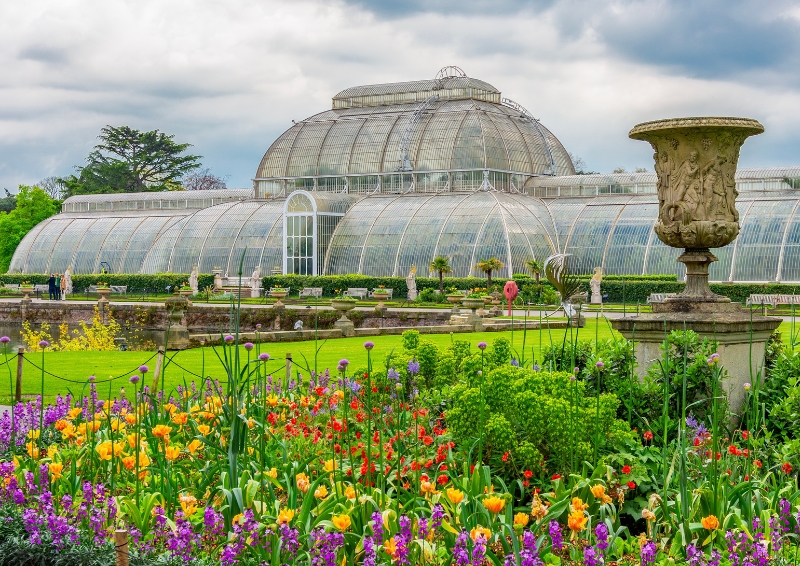
Formed in 1759, Kew Gardens house one of the largest and most diverse collections in the world.
However, while the gardens are recognised as influencing the development of botany, ecology, and plant diversity, the many listed buildings on the site are equally important.
The two mid-19th century iron-framed glass houses, the Palm and the Temperate became the model for conservatories.
The palm house, designed by Decimus Burton and built 1844-48 was the first to be built on this scale. Its design may well have influenced the design of the Crystal Palace for the 1851 exhibition in Hyde Park.
6. Industrial settlements
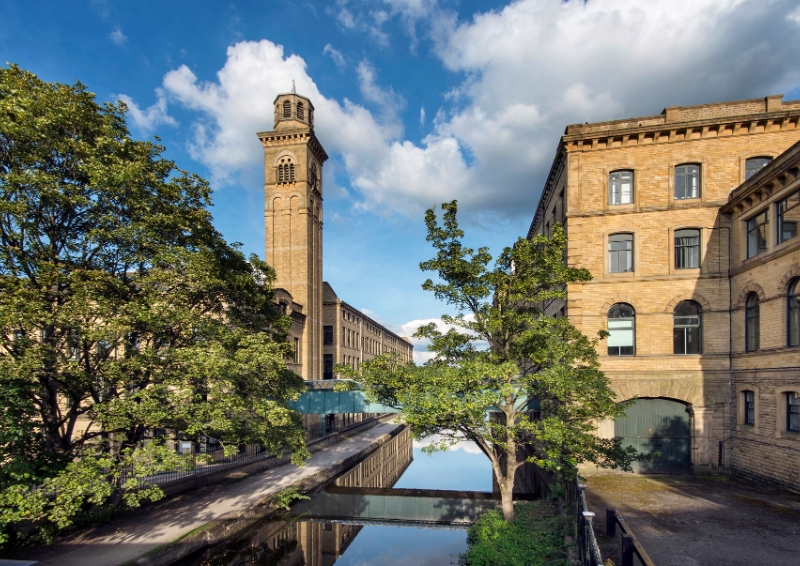
In 2001, UNESCO recognised three 19th century large industrial settlements that were originally set up in rural areas.
The settlements demonstrate the development of planned villages and their influence on the garden city movement.
Derwent Valley Mills, designated a World Heritage Site in 2001
The site includes 18th and 19th century cotton mills, with the original one set up by Richard Arkwight at Cromford in 1771.
Cromford was the world's first water-powered cotton spinning mill. Arkwright’s invention led to industrial scale production and the birth of the factory system.
With the mill employing 200 workers, many moving to the area, Arkwright built housing nearby, along with a chapel, shops, pubs and a school.
New Lanark, designated a World Heritage Site in 2001
New Lanark is a rural village created on the River Clyde in 1785 by Robert Owen to accommodate workers for the cotton mills.
By the beginning of the 19th century, the site hosted one of the largest groups of mills in the world.
Saltaire, designated a World Heritage Site in 2001
A 19th century industrial town, Saltaire near Shipley, West Yorkshire, was built between 1851 and 1871 to house the workers for Salt’s woollen mill.
The mill and village were financed and built by industrialist and philanthropist Sir Titus Salt.
They were designed to improve the conditions for the staff, based on Salt’s observations of poor working and living conditions in other mills and factories.
The town housed over 4,000 people and included bathhouses, a library, gymnasium, a school, allotments, and a park.

You may also be interested in

- Type
- Civil Engineer blog
Linking data to value: 5 priorities from the ICG's data and digital benchmarking report
The Infrastructure Client Group's 2026 benchmarking survey shows progress, but greater focus is needed on value, data quality and delivery outcome.

- Type
- ICE Community blog
What's the foundation of flood resilience? Information
ICE President David Porter explains why being informed about flood risk is so important for the public and civil and infrastructure engineers.

- Type
- Awards and competitions
It’s electrifying! South Wales Metro track transformation bags top award
The electrification of the Core Valley Lines impressed the judges at the 2026 British Construction and Infrastructure Awards.