





ICE Knowledge Hub
Access the very latest and best CPD content to help you grow your knowledge and skills.
Sign in now

If you thought cold temperatures would be the greatest challenge of engineering in the Falkland Islands – think again!
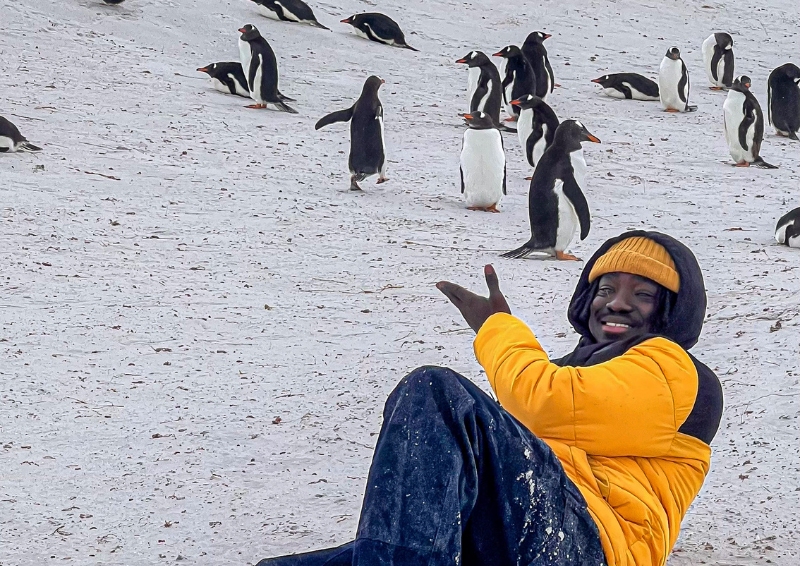
I pounced on the opportunity of working in the Falkland Islands without actually knowing where they were in the world.
All I saw was a company email calling for people interested in working on an international project, and that was more than enough to captivate my attention.
Working abroad has been a life-long goal of mine, so I put my name forward and next thing I knew, I was on a flight to the islands.
And it wasn’t just the location that was a surprise for me... No, there were plenty of those.
All plants, equipment and tools were shipped from the UK to the Falklands.
The flight was approximately 18-20hrs. We had to stop halfway to refuel, which added another two hours.
This was by far the furthest I’ve travelled. Although I knew about it, I wasn’t mentally prepared for how long the flight was.
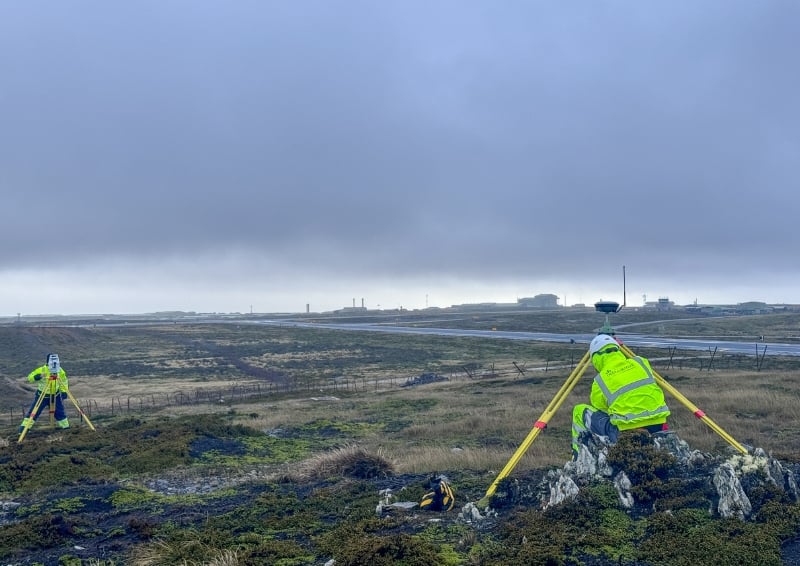
Upon arriving at Mount Pleasant airfield, a UK army base, we were greeted by 20-25mph winds and trained security dogs.
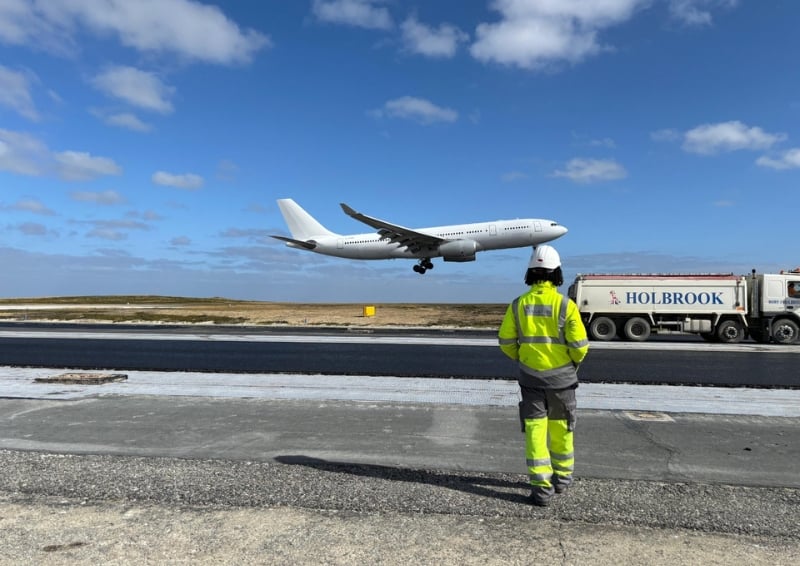
So I actually ended up going to the Falklands twice. The first time was in November 2023, and I was there to help repair a runway at the airfield.
We had engineers to assemble the batching plant – which would produce tarmac for the pavement – and lab technicians to constantly check the quality of the materials.
With average temperatures at that time between 5-12°C, the cold wasn't the problem.
No, there was one element that kept testing our patience.
The wind. It was a constant nightmare.
And November is one of the windiest months, with gusts between 30-50mph. Imagine having to move survey equipment across the airfield in that!
There’s a designated weather office at the camp where we got our daily forecast to plan our works. But in many cases, we had to pause our work or cancel altogether.
I returned to the Falklands in their summer – January to February.
Believe it or not, sunscreen was vital.
Not because of the temperature, but because UV radiation can spike and sunburn risk is very real, even when it’s chilly or windy.
In short, this is due to a thinning of the ozone layer in this area.
Another challenge were the scheduled and unscheduled appearances of the typhoon army jets (military aeroplanes).
At first, I was in awe of them, as I'd never seen one up close before.
They took priority and interrupted our works several times. We had to stop right away if there was any communication from the tower to our team.
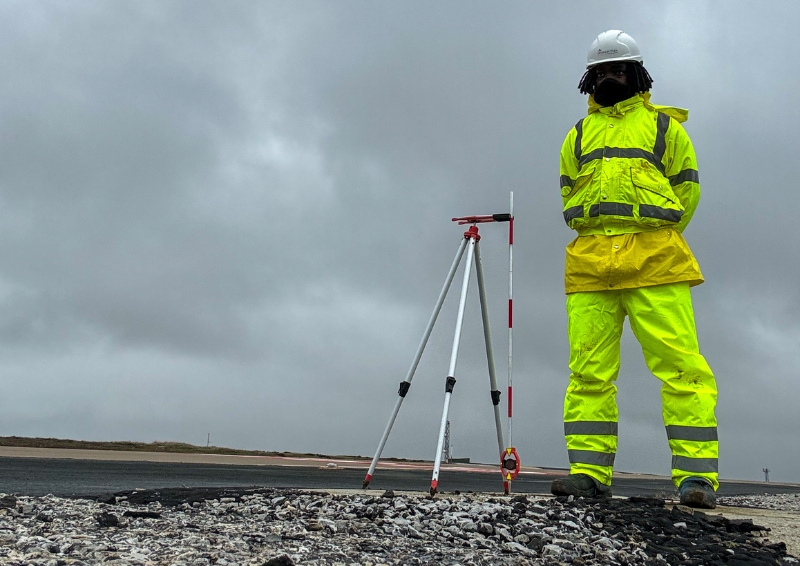
My visits to the Falklands posed remote and logistically complex assignments. To name a few:
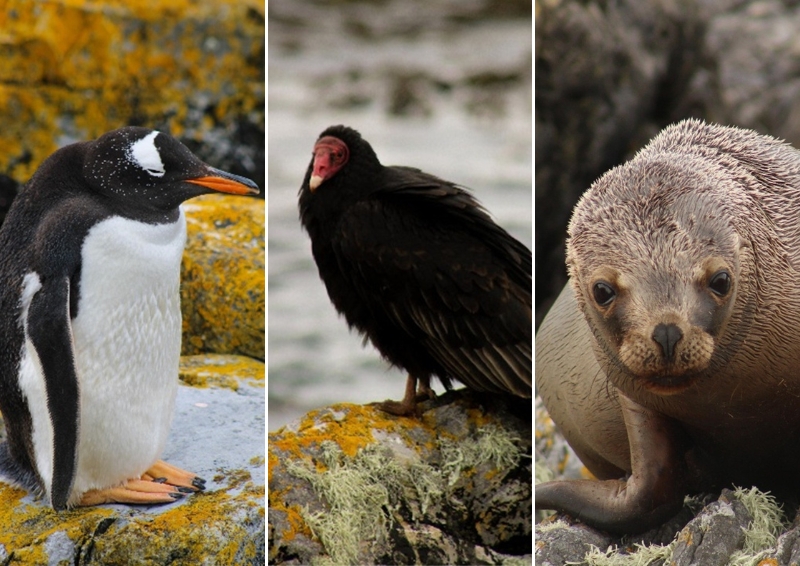
But it wasn’t all work! Some of my personal highlights include:
There’s more to civil engineering careers than just brains and infrastructure.
Mine is about people’s stories and purpose.
I was able to combine my hobbies (travelling and photography) with my work.
Granted, there were many surprises and challenges… but sometimes that’s what it takes to step outside your comfort zone!

The Infrastructure Client Group's 2026 benchmarking survey shows progress, but greater focus is needed on value, data quality and delivery outcome.

ICE President David Porter explains why being informed about flood risk is so important for the public and civil and infrastructure engineers.

The electrification of the Core Valley Lines impressed the judges at the 2026 British Construction and Infrastructure Awards.
