





Year
October 2024 – July 2025Duration
9 monthsCost
£14 millionLocation
United KingdomProject achievements
Area improved
Boosted biodiversity and improved a public footpath
Solved the problem
Designed to handle unpredictable storm water discharges
Environment benefitted
Removes harmful pollutants from water
Nature-based solutions in action
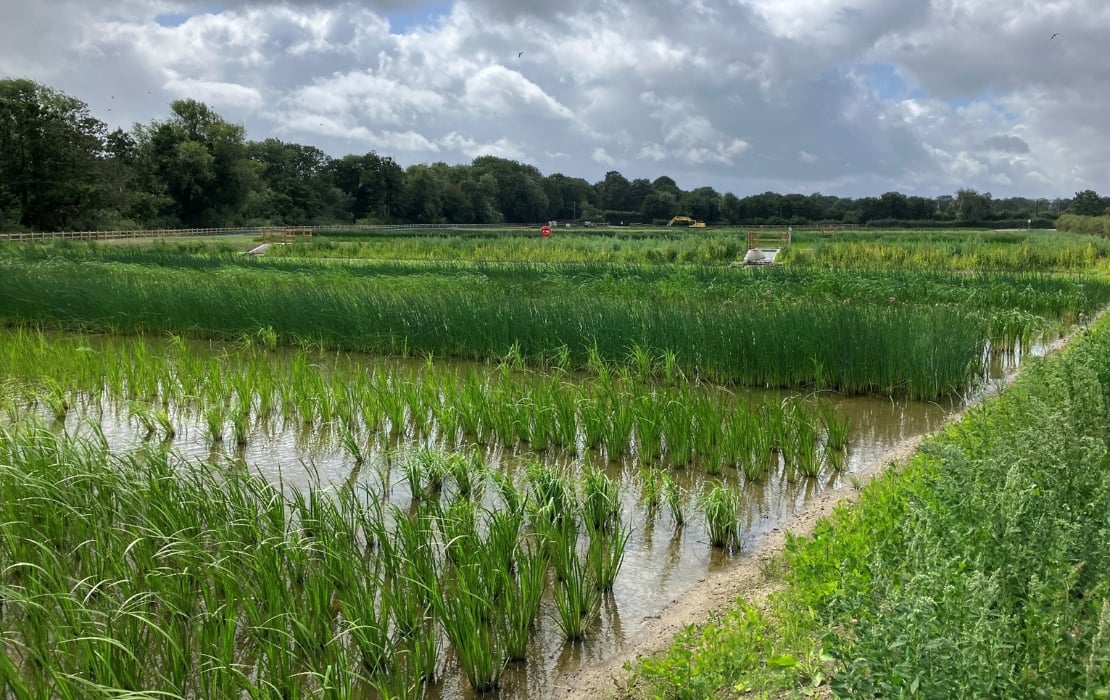
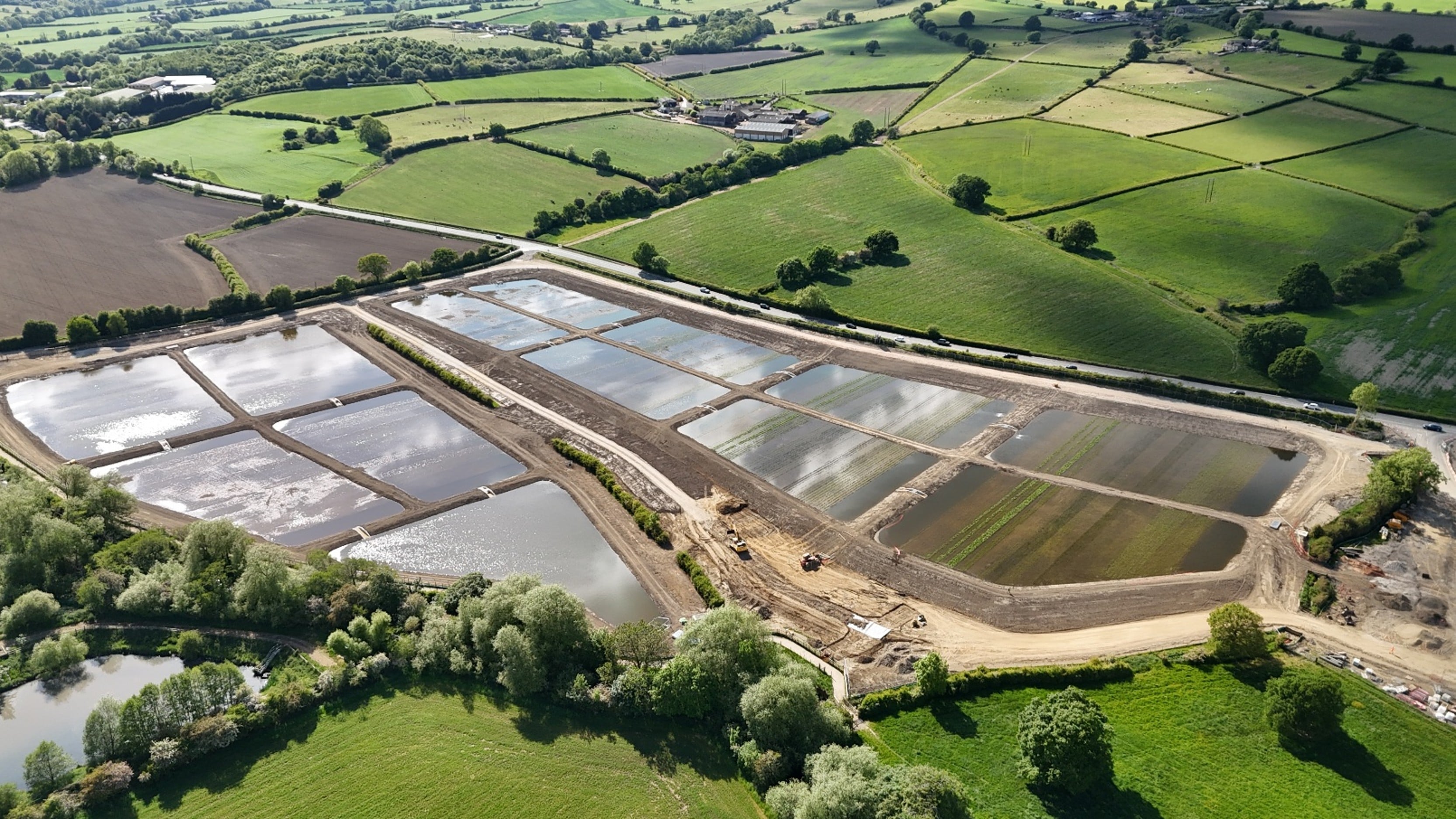
Dearne Reach is a 4.3-hectare integrated constructed wetland (ICW) in Clayton West, Huddersfield. It's designed to improve water quality along 4km of the River Dearne.
A traditional 'grey' infrastructure solution would've required 7,000m3 of stormwater storage and a 4.5km pipeline to divert treated wastewater downstream.
Instead, the wetland uses natural processes to reduce pollution, particularly of un-ionised ammonia (which is highly toxic to aquatic life), and improve storm flow treatment.
Delivered by Mott MacDonald Bentley on behalf of Yorkshire Water, Dearne Reach is currently the largest ICW in the UK.
It won the Centenary Award at the 2026 ICE Yorkshire and Humber Awards.
Did you know …
-
At 4.3ha, this is currently the largest integrated constructed wetland for storm treatment in the UK.
-
52 different species of plants have been designed to sit in 13 cells in which over 350,000 plants adsorb nutrients (meaning they attach, rather than absorb) from storm overflow discharges and wastewater flowing out of the Clayton West wastewater treatment works.
-
The project has achieved a 60% reduction in embodied carbon and 40% reduction in operational carbon across its lifecycle – delivering a more environmentally friendly solution.
How the work was done
The wetland was specifically designed to treat intermittent storm overflows. Unlike traditional ICWs, which are only effective when there's a constant flow of water, this innovative design can handle the unpredictability of stormwater discharges.
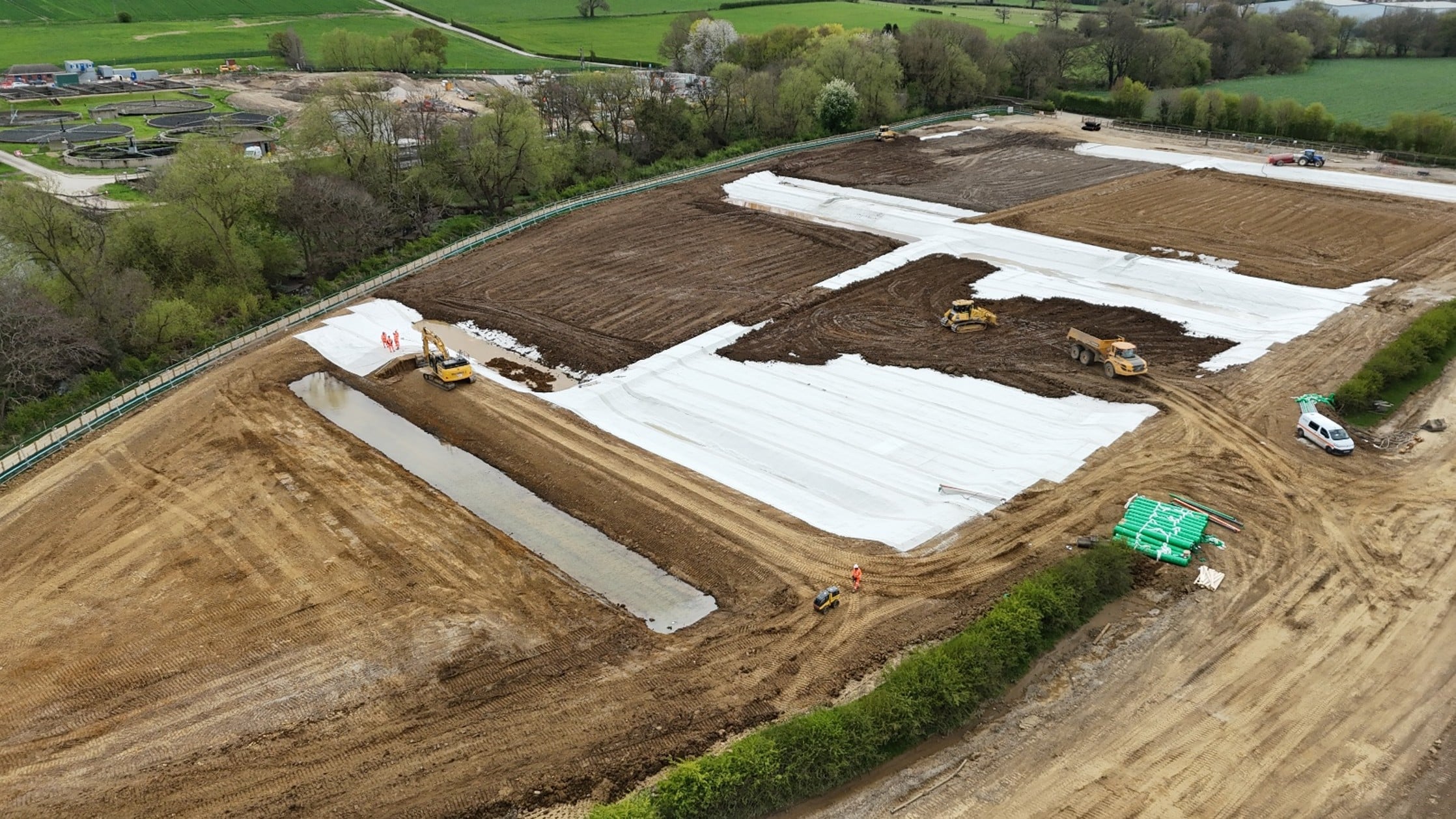
The wetland is divided into multiple cells, each designed to hold water for longer and remove pollutants more effectively.
Solar-powered monitoring equipment controls water levels and measures flow rates, helping the team manage changing storm conditions while collecting data on water quantity and quality. This information will support future development of similar nature-based solutions.
Delivering a wetland of this scale required close collaboration between the design team, digital specialists and geotechnical experts.
Working together was essential to overcoming a number of site challenges, including high groundwater levels, difficult ground conditions (sandy-gravelly clay) and the need to reuse more than 13,000m³ of excavated material.
During construction, the team achieved various feats, including:
- Groundwater management techniques allowed cell heights to be increased, improving the balance between excavation and fill material and reducing the need to import material to site.
- The amount of bypass pipework was reduced through robust maintenance planning, lowering the project's carbon footprint.
- A geosynthetic clay liner was used instead of more carbon-intensive plastic alternatives to provide impermeability and protect groundwater.
- Roadcem soil stabilisation technology was used in place of traditional concrete access roads, reducing the need for imported aggregates and cutting carbon emissions.
The project also delivered significant environmental and community benefits. Seven planting zones were created using 350,000 locally sourced plants, resulting in a 38% biodiversity net gain for terrestrial habitats.
Working with the local council, the team also improved a public right of way by creating a 2m-wide wheelchair-accessible footpath around the wetland, boosting public access and community wellbeing.
Powered by nature, optimised by AI
Before construction began, the project model and programme were uploaded into Smart Construction and Earthbrain software platforms.
These tools use artificial intelligence (AI) to determine the most efficient construction methods, identify the size and number of machines required, and optimise the movement of excavated material around the site.
This approach improved construction accuracy, efficiency and, most importantly, safety.
It was a first-of-its-kind trial of intelligent plant technology on a nature-based solution project.
The site team reported significant benefits, including:
- Model-led excavation reduced unnecessary earthworks and supported a "right first time" approach.
- Automated systems decreased the need for manual surveying and limited interactions between people and plant, improving site safety.
- Precision excavation enabled the efficient movement of 65,000m³ (117,000 tonnes) of soil while minimising waste and reducing reliance on imported fill material.
Difference the project can make
As the largest ICW developed in the UK, Dearne Reach demonstrates how nature-based solutions can provide effective, low-carbon stormwater management.
Its innovative design, successful delivery and strong environmental outcomes are helping to advance the use of sustainable approaches across the water industry.
The project showcases how collaboration between civil engineering and natural systems can help address the challenges of climate change while delivering lasting benefits for people and the planet.
People who made it happen
- Principal designer and contractor: Mott MacDonald Bentley
- Client: Yorkshire Water
- Outline design: Stantec
- Pressure testing: Ant Hire
- Groundworks: Lowthers
- Groundwater treatment: Siltbuster Group
- Horizontal directional drilling (HDD) rising main: Joseph Gallagher Ltd


