

Year
2025Duration
5 monthsCost
£125,000Location
EnglandProject achievements
Area improved
Found the station elements in need of the most urgent care
Used engineering skill
Used drones and 3D models to assess the condition of platforms, bridges, canopies, and buildings
Conservation
Checked the health of structures that are over 100 years old
Keeping railway stations safe through a high-tech 'treasure' hunt
Have you ever wondered how engineers make sure the railway stations you use every day are safe and sturdy?
Greater Anglia's project was like a giant detective mission, using technology to give 47 stations across East Anglia a full health check.
Instead of just looking at what could be easily seen, the team went on a hunt for 'hidden critical elements' – the secret, important parts of a station, like the supports holding up a roof or the beams inside a wall.
Checking these is tricky because they’re often hard to reach. This is where the tech came in.
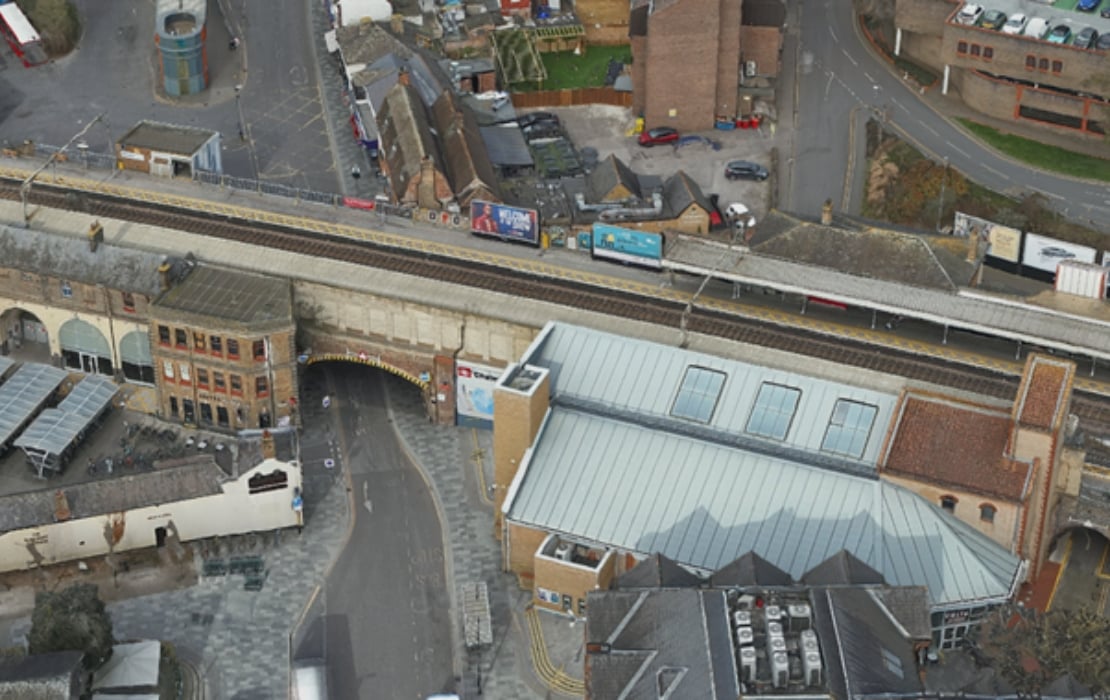
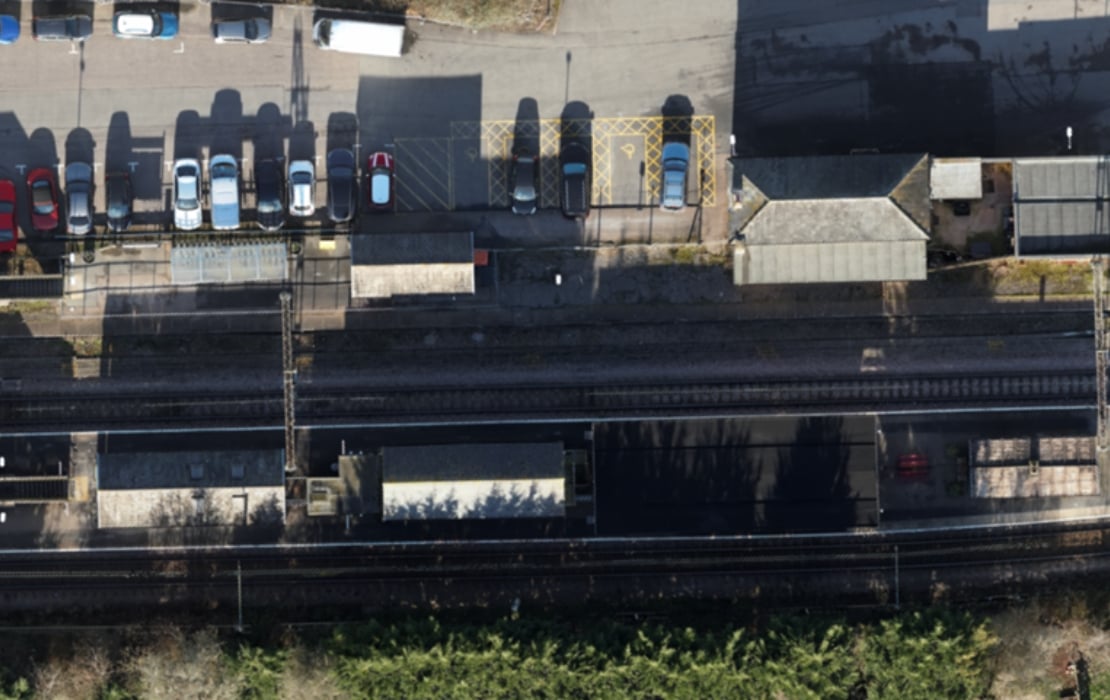
The team sent up drones to get a close-up view of high roofs and canopies without needing to build huge scaffolding. This was safer, faster, and caused much less disruption for passengers.
Back on the ground, they used advanced imaging to create 3D digital models of the stations.
This meant they could spot tiny cracks or signs of wear that might've been missed before.
Work kicked off in December 2024, with the team strategically moving across the region in groups. By January 2025, they'd completed the first major phase of in-depth surveys at 15 priority stations.
The final piece of the puzzle was when all the data was processed and the final reports were delivered in April 2025.
This gave the station owners a complete picture of what needed attention.
Did you know …
-
The project team used drones to inspect station roofs, creating 3D models so accurate you could measure a crack from the comfort of your office.
-
The team gave 47 stations a health check in just a few months, uncovering hidden secrets in structures that were over 100 years old.
-
They developed a special 'priority tool' that acted like a doctor's triage system, ranking which station elements needed the most urgent care
A safer, smarter railway
The biggest achievement of the project was proactive safety.
By finding small problems early, the team can fix them before they become big, dangerous ones.
This makes the stations safer for everyone – passengers, railway staff, and engineers.
They also helped extend the life of these stations. It’s like taking your car for a regular service; a small repair now can prevent a massive breakdown later.
This is a smart way to use money, saving it in the long run so it can then be invested in better services.
Their new 3D models and maps are now a digital guide for the future, making the next inspection even quicker and more accurate.
Solving the puzzle
Working on a live railway is like trying to fix a car while it’s still running!
The biggest challenge was doing the surveys without getting in the way of thousands of daily passengers and train services.
The team had to be incredibly organised, working quickly in short windows of time and always putting safety first.
The other main challenge was the "hidden" part itself. Some elements of the stations were buried, covered up, or in really awkward spots.
The combination of drone eyes and digital modelling was the perfect solution, allowing the team to see the unseen and ensure nothing was missed.
This project shows that civil engineering isn't just about building new things; it's also about cleverly looking after what we already have.
It’s a career full of problem-solving, technology, and the satisfaction of knowing your work helps keep millions of people moving safely.
People who made it happen
- Ian Davison, Greater Anglia asset manager
- Bill Guo, RBA associate director
- Sesan Ogunbanjo, RBA senior engineer
- Sithu Aung, RBA graduate engineer
- Luke Fielding, STE4/5 surveyor
Engineering skills used on the project
- Structural engineering: assessing the strength and condition of platforms, bridges, canopies, and buildings to ensure they are safe
- Geotechnical engineering: evaluating the ground and foundations supporting station structures, like retaining walls
- Surveying and geomatics: using drones, lasers, and GPS to capture precise measurements and create detailed 3D maps and models of the sites
- Project and programme management: planning and coordinating the complex schedule of surveys across 47 live stations to be on time and on budget
- Digital engineering (BIM): developing 3D digital models and a custom prioritisation tool to manage data and make smart, risk-based decisions