





ICE Hong Kong delegates explored sustainable infrastructure and cultural heritage in Johannesburg and Pretoria.
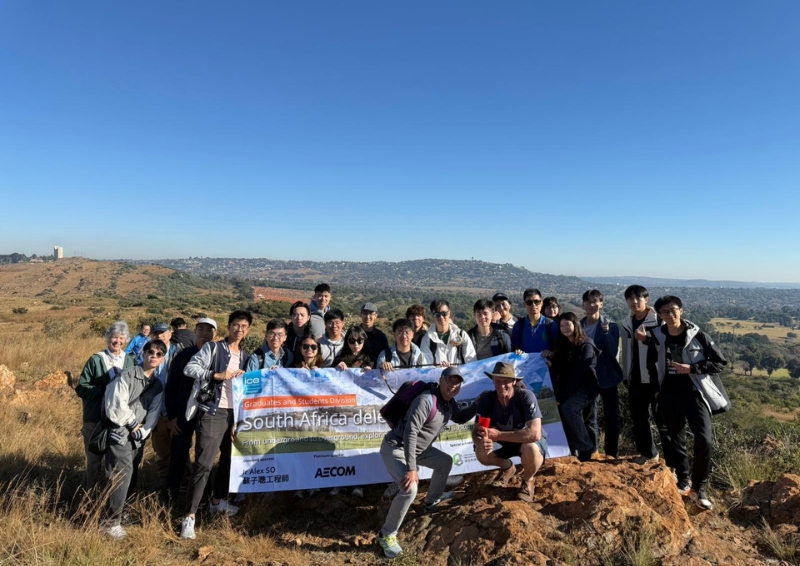
Earlier this year, a delegation of students and graduates from the ICE Hong Kong Association (HKA) went on a transformative journey to Johannesburg and Pretoria in South Africa.
The aim was to foster global exchange and learn from South Africa’s unique challenges – ranging from historical inequality, rapid urbanisation and how to protect its vast natural resources.
It offered a compelling backdrop for learning how engineering can be adapted to diverse conditions.
Nature-positive
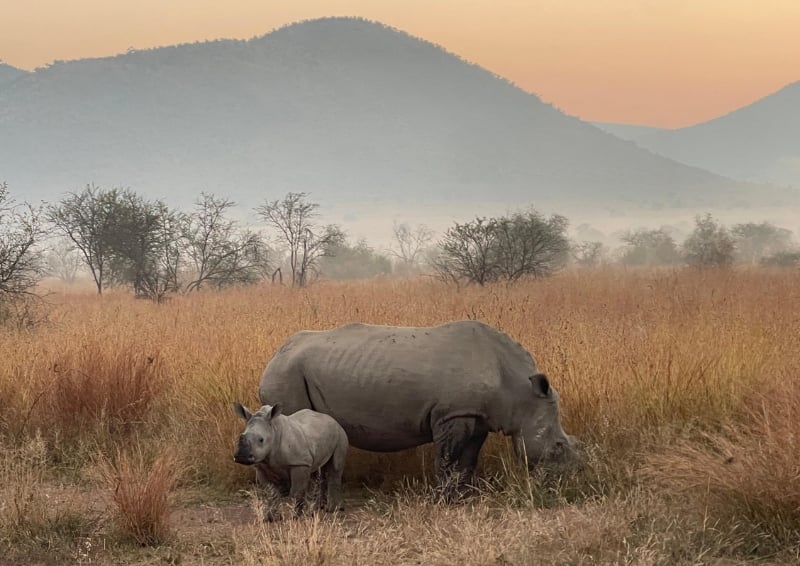
Environmental engineering and conservation were key themes of the visit to South Africa.
At Pilanesberg National Park, delegates learned about non-intrusive park management strategies that maintain biodiversity while supporting eco-tourism.
Seminars at the University of Pretoria introduced cutting-edge research on:
- wildlife corridor design using geographical information systems (GIS);
- water-sensitive urban design (WSUD); and
- slope stabilisation in semi-dry regions.
The delegates noted that these technologies could be adapted to Hong Kong’s own urban and hillside environments.
Past meets present
The students and graduates explored historical mining methods at the Kloofendal Nature Reserve.
They visited one of Johannesburg’s oldest gold mines and learned about traditional hand-digging techniques used over a century ago.
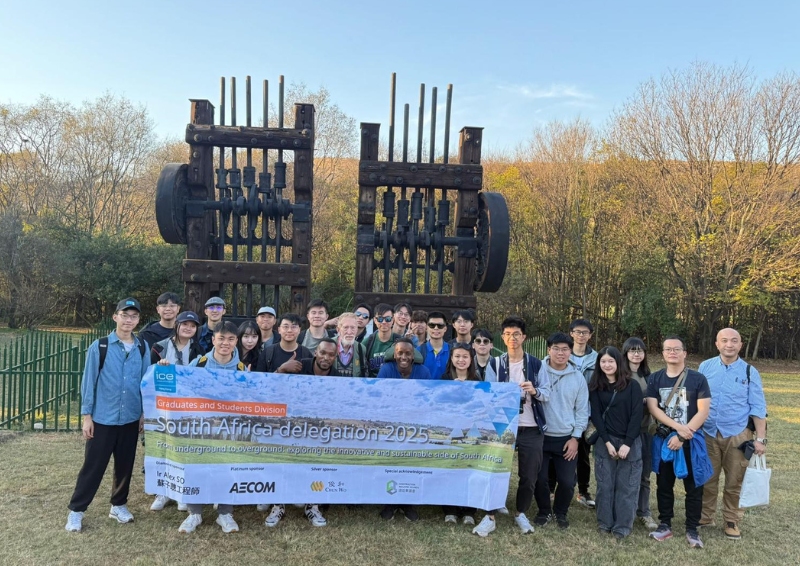
In contrast, at Cullinan Diamond Mine, the delegates observed modern excavation techniques including controlled blasting, shaft sinking and ventilation systems.
They also heard about the mine’s safety protocols and how they engage with the community.
At Melville Koppies Nature Reserve, they studied the region’s stratigraphy (the study of rock layers) and mineral formation processes.
A visit to Bothongo WonderCave offered a deep dive into ancient rock formations and the structural challenges of preserving underground environments.
These experiences provided valuable geotechnical insights, especially relevant to Hong Kong’s own subsurface engineering projects.

Transport and communities
At Zutari, a leading engineering consultancy, delegates were briefed on the N2 Wild Coast Toll Road project.
This road development demonstrates how civil engineering can support communities, for instance by collaborating with them to create employment opportunities.
Complementing this, the visit to the Rovos Rail depot offered a unique perspective on heritage preservation in transport infrastructure.
Delegates toured the meticulously restored vintage carriages of this iconic luxury train service.
They gained insights into how engineering craftsmanship and historical conservation can coexist to celebrate cultural identity while maintaining operational excellence.
Engineering is a global language
Cultural immersion was an integral part of the experience.
Visits to the Apartheid Museum, Mandela’s House and Lesedi Cultural Village provided context on South Africa’s social history.
These experiences helped delegates appreciate how engineering must respond to cultural and historical factors, not just technical requirements.
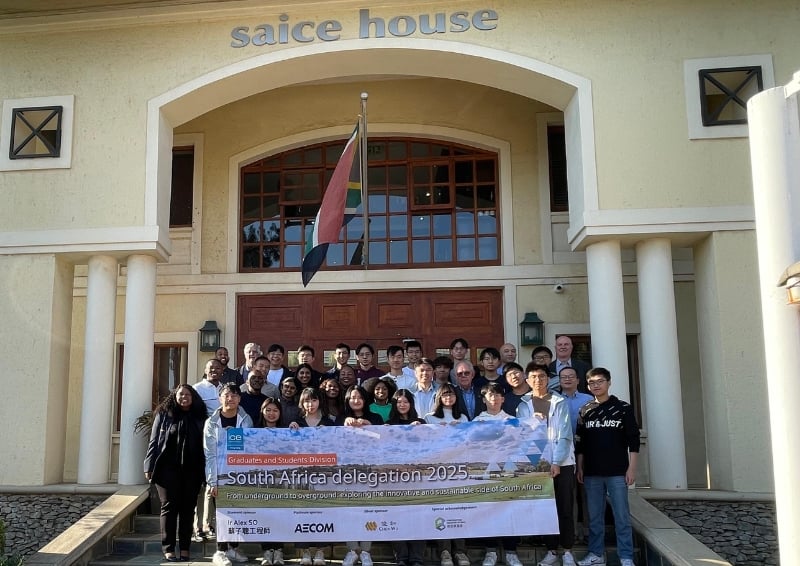
At the South African Institution of Civil Engineering (SAICE), delegates discussed professional development pathways, licensing systems and the role of engineers in shaping national policy.
Despite differences in geography and context, the conversations revealed shared values and aspirations among young engineers from both regions.
For many participants, this was their first time in Africa.
The experience challenged assumptions, expanded perspectives and reinforced the idea that engineering is a global language. One that connects people, solves problems and builds a better future across boundaries.
For more highlights from the visit, read the delegates' study report.

Sustainable Development Goals:
You may also be interested in

- Type
- Civil Engineer blog
Linking data to value: 5 priorities from the ICG's data and digital benchmarking report
The Infrastructure Client Group's 2026 benchmarking survey shows progress, but greater focus is needed on value, data quality and delivery outcome.

- Type
- ICE Community blog
What's the foundation of flood resilience? Information
ICE President David Porter explains why being informed about flood risk is so important for the public and civil and infrastructure engineers.

- Type
- Awards and competitions
It’s electrifying! South Wales Metro track transformation bags top award
The electrification of the Core Valley Lines impressed the judges at the 2026 British Construction and Infrastructure Awards.