





These projects show that demolition isn't always the most imaginative, or the most sustainable, response.
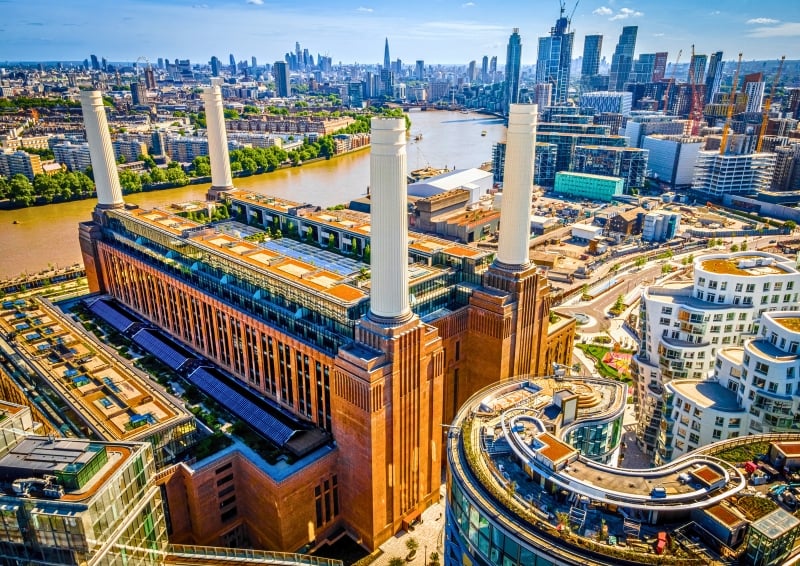
Across the world, disused railways, churches, power stations and industrial sites have been transformed into everything from elevated parks and cultural venues to homes and public spaces.
In many cases, demolition would have been the simpler option. Instead, communities, engineers and designers found ways to work with what was already there.
These projects show that when a building's original purpose comes to an end, its story doesn't have to.
1. Promenade Plantée, Paris, France
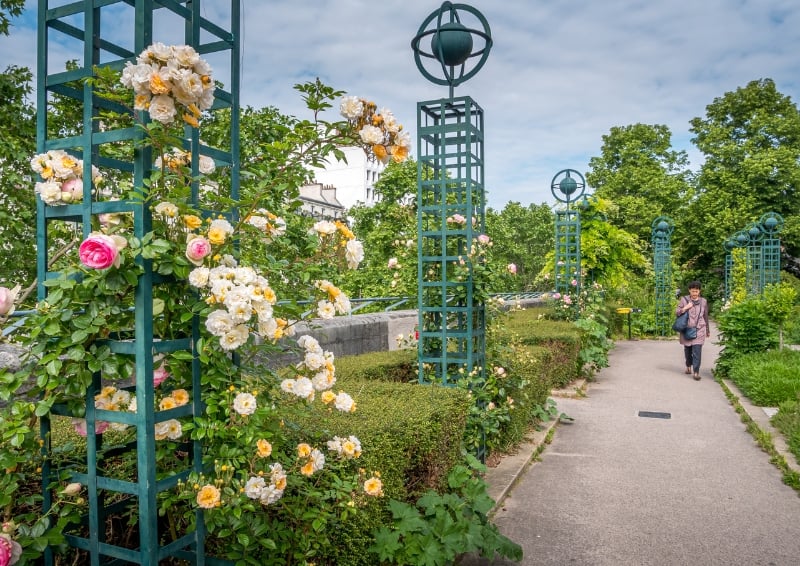
Opened in 1993, the Promenade Plantée was the world's first elevated park, transforming a disused railway viaduct into a green route through eastern Paris.
Stretching nearly three miles from the Bastille to the Bois de Vincennes, the walkway passes through gardens, tree-lined paths and landscaped terraces, offering a unique perspective of the city.
The regeneration extended beyond the park itself, with many of the arches beneath the viaduct converted into galleries, workshops and spaces for independent businesses.
2. The Gasholders, King's Cross, London, UK
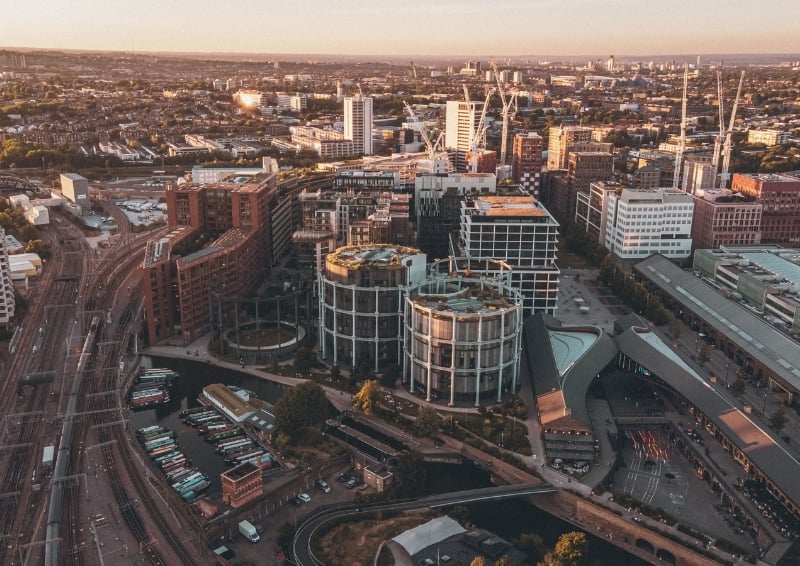
Gas holders were once a defining feature of Britain's industrial landscape, storing gas for homes, businesses and street lighting in towns and cities across the country.
As energy technology evolved, most fell into disuse and eventually disappeared. At King's Cross, however, three Grade II-listed Victorian gasholder guide frames were given a second life.
Originally built for the nearby Pancras Gasworks, the intricate cast-iron structures were carefully dismantled, restored and reassembled as part of the wider regeneration of the area.
Today, they surround a circular residential development, creating one of the most distinctive residential settings in London
3. Zollverein Coal Mine Complex, Essen, Germany
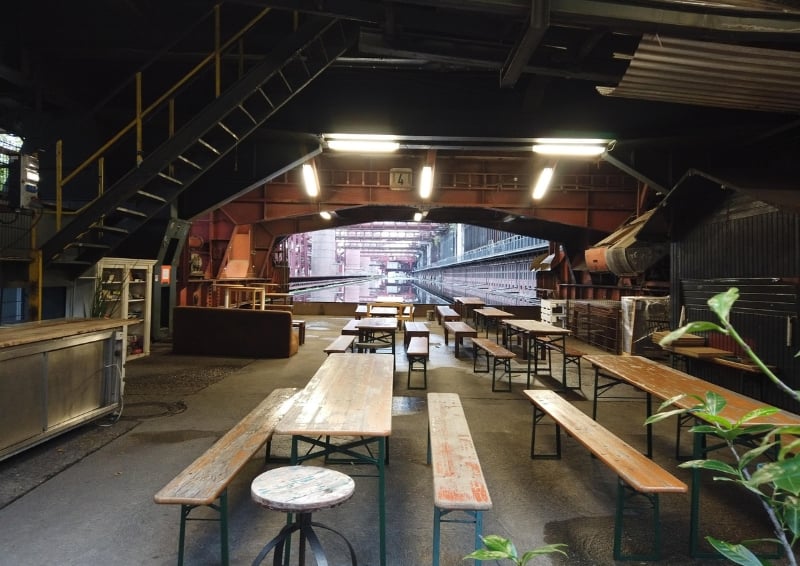
When coal mining declined across Europe, many industrial sites simply disappeared.
Zollverein took a different path.
Once one of the continent's most important coal-mining complexes, the site is now a UNESCO World Heritage Site and home to museums, design centres, cultural venues and public events.
Much of the industrial infrastructure remains visible, allowing visitors to experience the scale of an industry that shaped modern Europe.
4. 798 Art District, Beijing, China
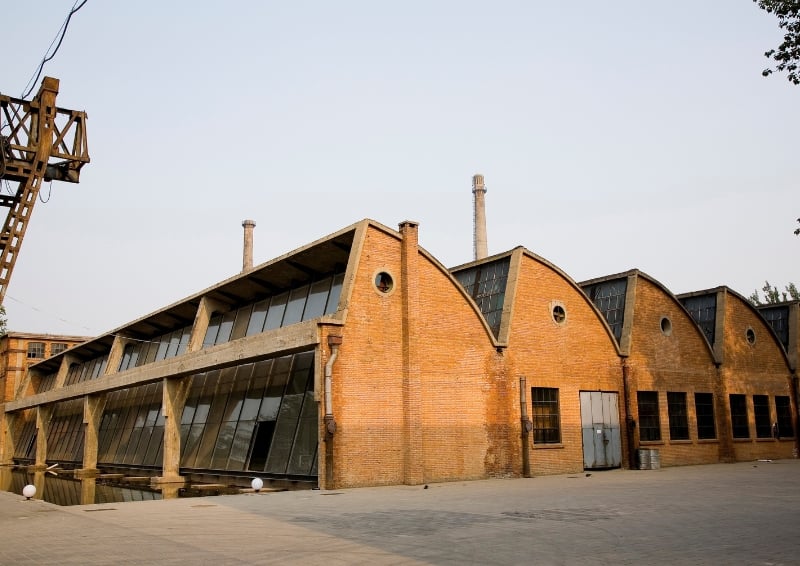
The 798 Art District occupies a former electronics manufacturing complex built in the 1950s.
As industrial activity declined, artists began moving into the vacant buildings, attracted by the vast open spaces and distinctive Bauhaus-inspired architecture.
Over time, the area evolved into one of China's best-known creative districts, where galleries, studios and exhibition spaces are housed alongside preserved industrial features.
5. Gas Works Park, Seattle, USA
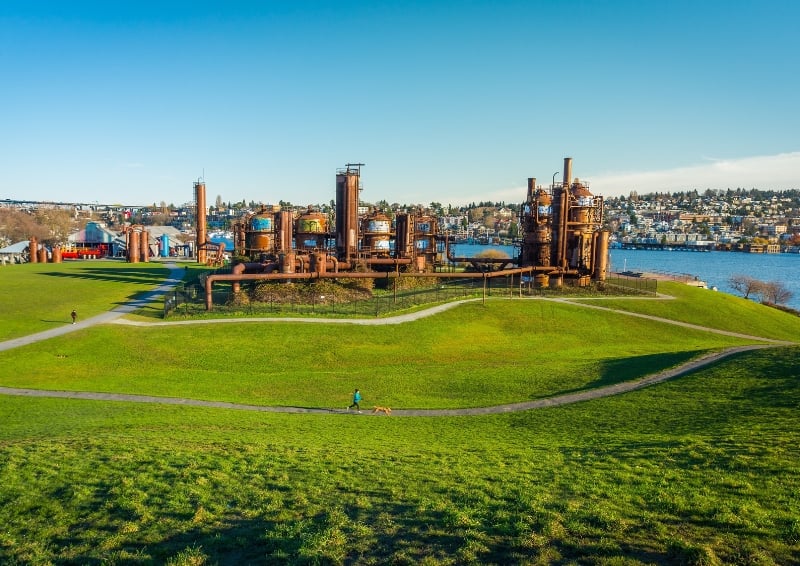
Gas plants aren't usually tourist attractions.
But, on the shore of Lake Union, a former coal-gasification plant that once helped power Seattle has been transformed into a 19-acre public park.
Instead of demolishing the industrial infrastructure, designers incorporated the towers, pipes and machinery into the landscape itself.
The result is one of the world's most recognisable examples of industrial reuse. Where many cities would have cleared the site, Seattle chose to preserve it, turning an obsolete piece of infrastructure into a landmark waterfront space.
6. Castlefield Viaduct, Manchester

For more than 50 years, Castlefield Viaduct sat largely unused above Manchester's canal network.
Built in 1892, the Grade II-listed structure once carried rail traffic into Manchester Central Station before falling out of use in the late 1960s.
Rather than allowing it to remain a forgotten relic, part of the viaduct has been transformed into a sky park filled with planting, walkways and public space.
One of the most interesting aspects of the project is that sections have been deliberately left untouched, allowing visitors to see how nature reclaimed the structure during decades of disuse.
7. Matadero Madrid, Spain
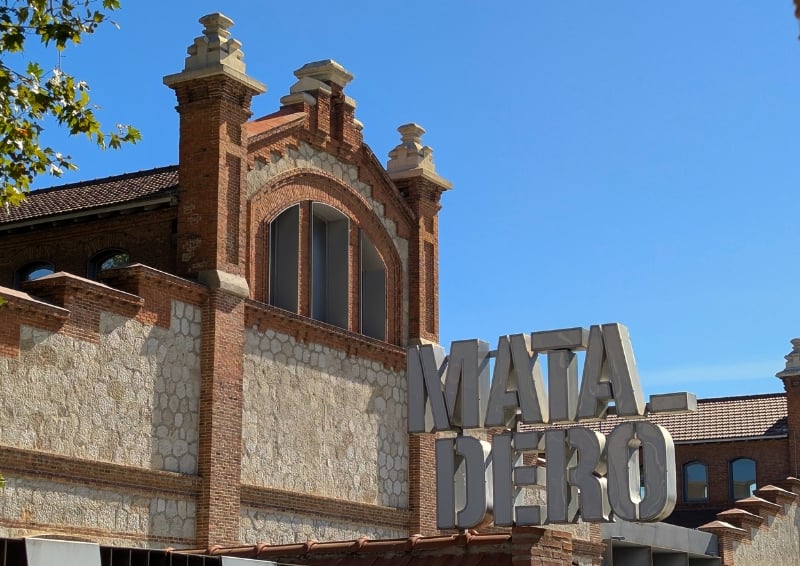
The name gives a clue to its origins: matadero means slaughterhouse.
Built between 1908 and 1928 as Madrid's municipal slaughterhouse and livestock market, Matadero played a vital role in feeding a growing city.
For decades, animals passed through its industrial sheds and courtyards before the site eventually became redundant as Madrid expanded and modernised.
Today, following extensive restoration, the site has become a cultural hub hosting exhibitions, theatre performances, cinema screenings and creative residencies.
8. Warksburn Old Church, Northumberland, UK

Nestled in rural Northumberland, Warksburn Old Church has been given a new lease of life as a luxury holiday retreat.
The conversion preserves many of the building's defining features, from its stained-glass windows to its soaring timber roof trusses, ensuring its history remains visible throughout the space.
What makes the project particularly notable, however, is what lies behind the historic façade.
Warksburn Old Church is recognised as the world's first Passivhaus-certified church-to-home conversion, demonstrating how heritage buildings can be adapted to meet some of the highest energy-efficiency standards while retaining their original character.
9. The High Line, New York, USA

Few infrastructure reuse projects have had a bigger influence on urban design than the High Line.
The elevated railway was originally constructed in the 1930s to carry freight trains above Manhattan’s streets. By 1980, rail traffic had stopped and the structure faced an uncertain future.
Community campaigners successfully argued for its preservation. Rather than being demolished, it was transformed into a 1.5-mile linear park featuring landscaped gardens and public art.
Today, it attracts millions of visitors each year and is widely regarded as a landmark example of adaptive reuse, inspiring similar projects in cities around the world.
10. Battersea Power Station, London, UK
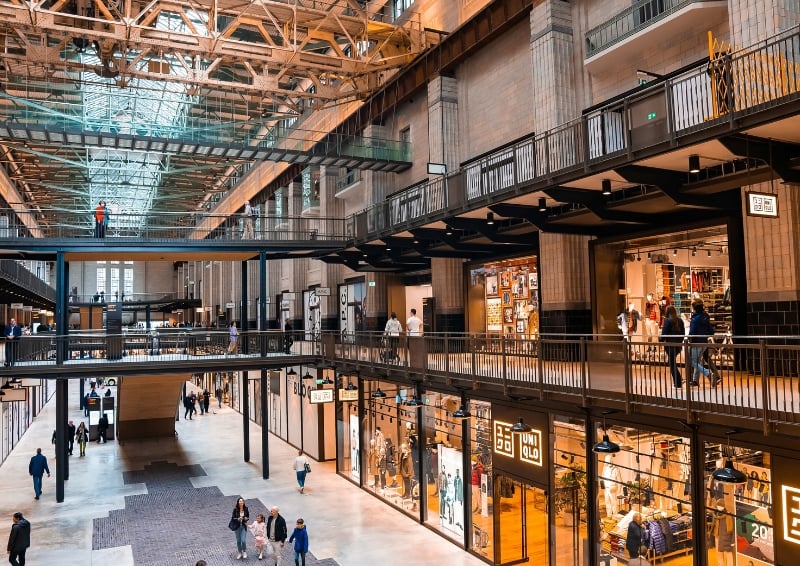
After being decommissioned in 1983, Battersea Power Station stood largely empty for almost 40 years while a succession of redevelopment proposals came and went.
It’s eventual restoration, completed in 2022, transformed Battersea Power Station into a mixed-use destination featuring shops, restaurants, offices, event spaces and homes.
Many of its original industrial features remain on display and visitors can now walk through the vast Turbine Halls for the first time, exploring spaces that were once used to generate a fifth of London's electricity.
Looking beyond demolition
What's striking about these projects is how different they are.
An elevated railway in New York. A coal mine in Germany. An art district in Beijing. A church in rural Northumberland.
What connects them is a willingness to see potential where others saw redundancy.
As cities and industries continue to evolve, infrastructure will inevitably outlive its original purpose. These projects show that demolition isn't always the most imaginative, or the most sustainable, response.
Sometimes the most interesting chapter in a structure's history is the one nobody planned for.
To build or not to build?
Repurposing infrastructure is a type of low- or no-build solution: a way of meeting a community need without constructing something from scratch.
These solutions often save money and emissions. They just require some out-of-the-box thinking.

Sustainable Development Goals:
You may also be interested in

- Type
- ICE Community blog
What's the foundation of flood resilience? Information
ICE President David Porter explains why being informed about flood risk is so important for the public and civil and infrastructure engineers.

- Type
- Awards and competitions
It’s electrifying! South Wales Metro track transformation bags top award
The electrification of the Core Valley Lines impressed the judges at the 2026 British Construction and Infrastructure Awards.

- Type
- Civil Engineer blog
The long-term consequences of a really good idea
Good decisions made at speed can lead the industry down unintended paths, writes Steven Yule, ICE country representative for the UAE.