





The Inspiring Engineering Excellence conference and the ICE Awards featured global examples of outstanding practice.
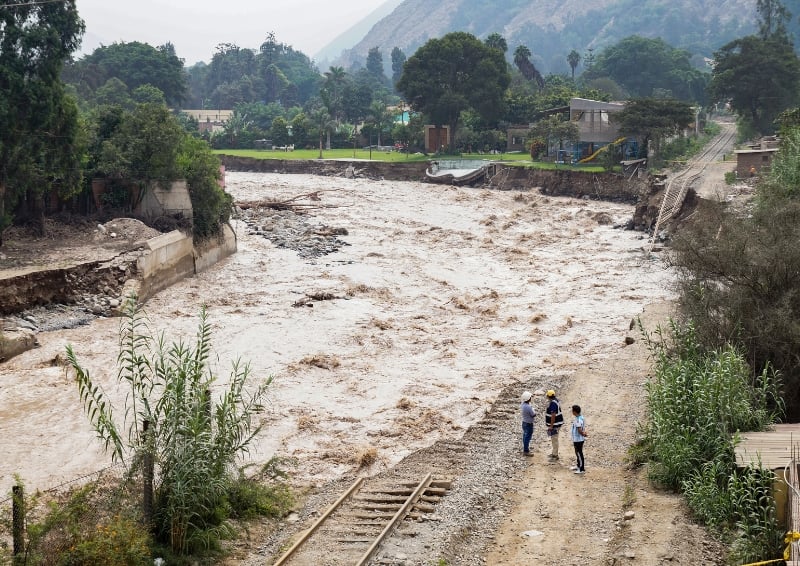
Standout projects, papers and professionals from as far afield as India, Nigeria and Peru took centre stage at the institution’s Inspiring Engineering Excellence conference and ICE Awards ceremony.
The combined events assembled members of the ICE’s international community in London, not only to celebrate successes but also to learn from cases where things didn’t go to plan.
The extensive conference programme covered topics ranging from decarbonisation and climate resilience to creative design and infrastructure productivity.
Julie Bregulla, chair of the conference organising committee and chief operating officer at the British Board of Agrément, opened the event.
“Infrastructure professionals and engineers must consider trade-offs all the time – barriers to delivering better outcomes, reducing risks on projects and so many more,” she said.
“Only by coming together this way and sharing lessons can we strive for engineering excellence and deliver for the communities we serve.”
Getting the balance right
Two consecutive presentations illustrated Bregulla’s point about the potentially conflicting demands that ICE members must often reconcile.
A session on managing safety risks, which advocated for allocating more resources to maintenance, preceded one on the upcoming ICE-sponsored infrastructure productivity standard. This stressed the need to use materials more frugally during construction projects.
The awards, presented by ICE President Professor Jim Hall, showed how members have often struck the right balance by putting communities at the heart of their work.
This year’s winning entries included:
- A programme rebuilding areas of Peru that were devastated by the coastal El Niño floods of 2017.
- A flood alleviation and urban renewal scheme in a socioeconomically disadvantaged area of Belfast.
- A project modernising a 45-year-old office block in a densely populated part of London.

Winners agreed that involving the affected communities deeply in such work, despite the challenges this could pose, was beneficial in gaining public support and useful local knowledge.
As Paula McMahon, ICE trustee for professional conduct and ethics, noted during the conference, the best projects take engineering “back to basics”, focusing on people and the planet.
A winning combination
The institution brought the annual Inspiring Engineering Excellence conference and the ICE Awards together this year for the first time, building on the latter’s historic legacy.
This dates back to 1835, when Thomas Telford left money to the ICE to fund prizes for civil engineering excellence.
Both events highlight cutting-edge research findings, share insights gained by seasoned experts in the field and celebrate innovative projects tackling serious socioeconomic and environmental problems.
The ICE has uploaded videos of the conference proceedings, including talks by some of this year’s award winners, on to its website. It has also compiled an online list of the winning research papers, all of which are freely accessible.
The nominations process for next year’s ICE Awards will start this autumn.

Sustainable Development Goals:
You may also be interested in

- Type
- Webinar
Carlingford Lough Greenway
Discover the engineering behind the Carlingford Lough Greenway, a 20km cross-border walking and cycling route linking Newry and Carlingford. Learn how innovative design, stakeholder collaboration and construction planning delivered this landmark active travel scheme.

- Type
- Lecture
Design considerations for seismic testing facilities
What does it take to establish a seismic test facility? This presentation explores the key decisions, challenges and considerations involved.

- Type
- Lecture
Beyond Monitoring: Leveraging AI and Space Technology for Resilient Applications of Geosynthetics
Discover how space technology, AI, and satellite data are transforming infrastructure asset monitoring and geohazard risk management. Explore how soil moisture and multi-layer data insights are enabling smarter, more proactive infrastructure resilience.