





Year
2026Duration
9 monthsCost
£20 millionLocation
United KingdomProject achievements
Environment benefitted
Provides a haven for local wildlife
Used engineering skill
Uses natural processes to reduce the need for conventional water treatment
Solved the problem
Offers an additional source of water for present and future generations
Using nature to pre-treat drinking water and support local wildlife
As part of its aims to secure water supplies for the future, Severn Trent acquired an 80ha disused sand and gravel quarry in Derbyshire to store water.
However, the water quality was poor, and to be drinkable, it needed chemical and physical treatment, which can be a resource intensive process.
Mott MacDonald Bentley came in to help Severn Trent deliver a solution that hadn't been tried before in the UK: using floating wetlands to pre-treat drinking water.
And so the Witches Oak Wetlands Nature Reserve was born.
It consists of 12 lakes, 31 floating wetland habitats, woodlands and grasslands.
As well as helping to purify water abstracted from the River Trent, the site has now become a wildlife haven for species wildfowl, wintering ducks, butterflies, dragonflies and otters!
It won the Climate Mitigation and Adaptation Award at the 2026 ICE East Midlands Merit Awards.
Did you know …
-
The habitat is enjoyed by a number of species. Wildfowl, waders, bitterns, smew, reed and sedge warblers are all birds you could find in the area.
-
Common blue butterflies and common blue damselflies enjoy the grassland areas and shallow edges of the reserve.
-
If you're lucky, you might also spot a European otter!
How the work was done
Floating wetlands were specifically selected for the Witches Oak site to mimic naturally occurring ecosystems along rivers (riparian wetlands).
The project team planted different types of wetland plants: sedge, hard rush and flowering species.
The plants clean the water through their root system, reducing the need for conventional treatment to remove organic compounds, nitrate and ammonia.
The pre-purified water then travels to new treatment works nearby to undergo further cleaning (using innovative ceramic membranes!) so that it's then ready to drink.
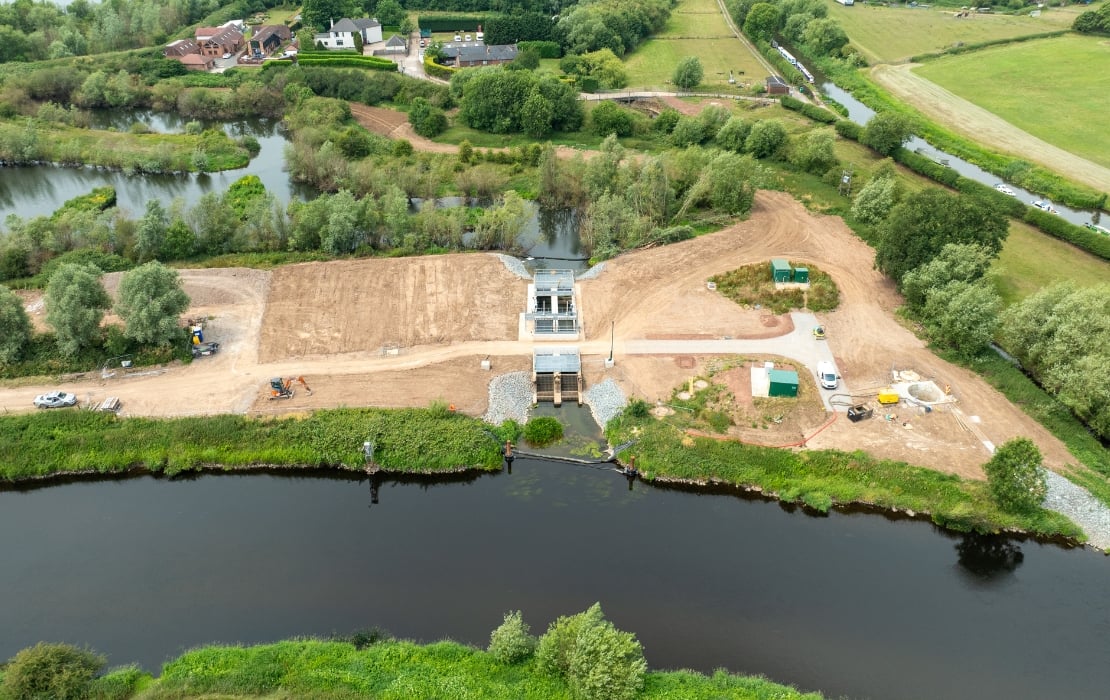
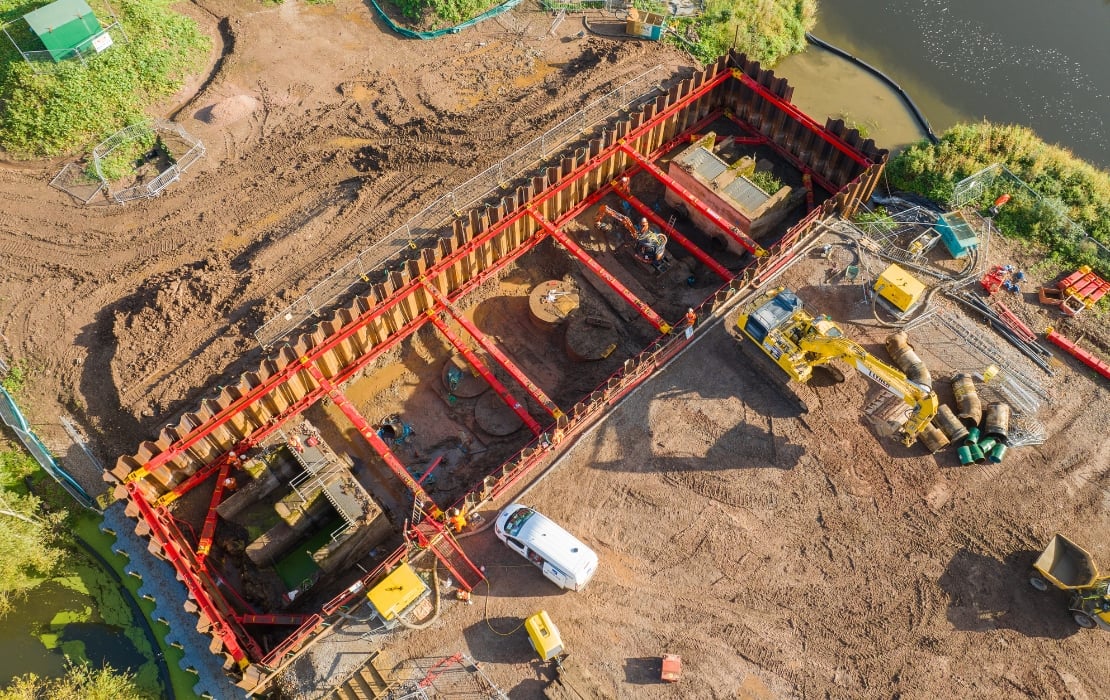
One of the main challenges was protecting fish and eels. Since they needed to be able to return safely to the River Trent, water flow rates had to be kept low so the fish recovery system could operate effectively.
The project team also wanted to reuse Severn Trent's existing wells, so they used computer simulations (computer fluid dynamics, or CFD) to test how water would flow through them and to make sure they were safe for fish and eels.
Over the three years the scheme was under construction, eight months were restricted due to flooding. There were zero environmental incidents.
The additional water the scheme provides will improve Severn Trent's resilience to hot summers and secure water resources for future generations.
And, using floating wetlands to pre-treat water can now be used as a carbon-friendly alternative more widely!
People who made it happen
- Principal designer and contractor: Mott MacDonald Bentley
- Client: Severn Trent


