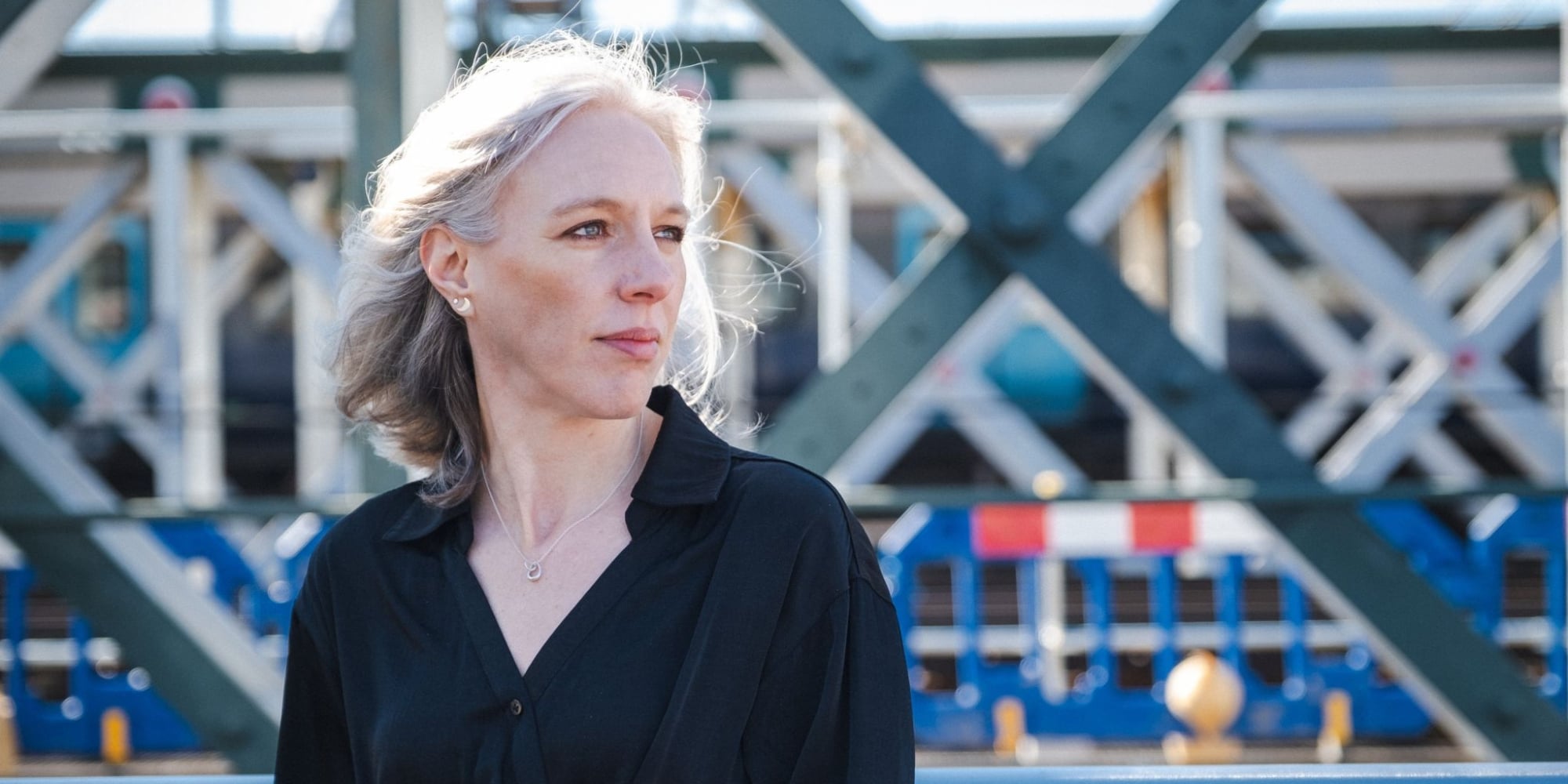


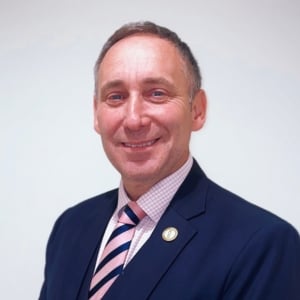
Dr Paul Mckeown
CEO, HanmiGlobal Middle East
Expertise
Design, Construction, DigitalLocation
Saudi ArabiaMy highlights
Spent over 25 years working across the UK and the Middle East on complex infrastructure programmes
Published articles on resilience, governance and digital transformation
Fellow of the ICE and chair of the ICE Saudi Arabia Committee
A day in my life
Every day is different, which is one of the things I enjoy most about civil engineering.
My day often starts early, reviewing priorities across projects in different countries.
I work with engineers, planners, and clients to solve real problems, whether that’s improving programme delivery, managing risk, or making projects safer and more sustainable.
Some days involve high-level discussions with city leaders; others are spent mentoring young engineers or helping teams think differently about challenges.
I also spend time reflecting and learning, because engineering is constantly evolving.
At the heart of every day is people, supporting teams, making good decisions, and ensuring the work we do creates long-term value for communities.
Seeing how infrastructure works behind the scenes – and how much people rely on it – made me want to be part of creating things that really matter.
Which individual project or person inspired you to become a civil engineer?
Rather than one person or project, I was inspired by how engineering quietly supports everyday life.
Seeing how infrastructure works behind the scenes – and how much people rely on it – made me want to be part of creating things that really matter.
We asked Dr Mckeown
I would recommend a career in civil engineering because…
Civil engineering gives you the chance to make a real difference.
You help design and deliver the systems people depend on every day – roads, water, buildings, and cities.
It’s a career that challenges you to think creatively, work as part of a team, and take responsibility.
You can look at a finished project and know you played a part in improving people’s lives.
Complete this phrase: I’m a civil engineer, but I’m also…
I’m a civil engineer, but I’m also a leader, a mentor, a lifelong learner, and someone who believes engineering should always serve people and communities.
What about being a civil engineer gets you out of bed each morning?
The knowledge that the decisions I make today can positively impact people’s lives for years to come.
I’m motivated by challenge, responsibility, and helping teams succeed on meaningful work.
What’s one great thing that you love about civil engineering that you didn’t know until you started working in the industry?
Its lasting impact. Long after a project is finished, it continues to serve communities and future generations, and being part of that is incredibly rewarding.
Which civil engineering project (past or present) do you wish you’d worked on?
Large, multi-disciplinary programmes that reshape entire cities, projects where engineering, governance, finance, and public interest intersect.
Developments involving transport, housing, public realm, healthcare, and education at scale.
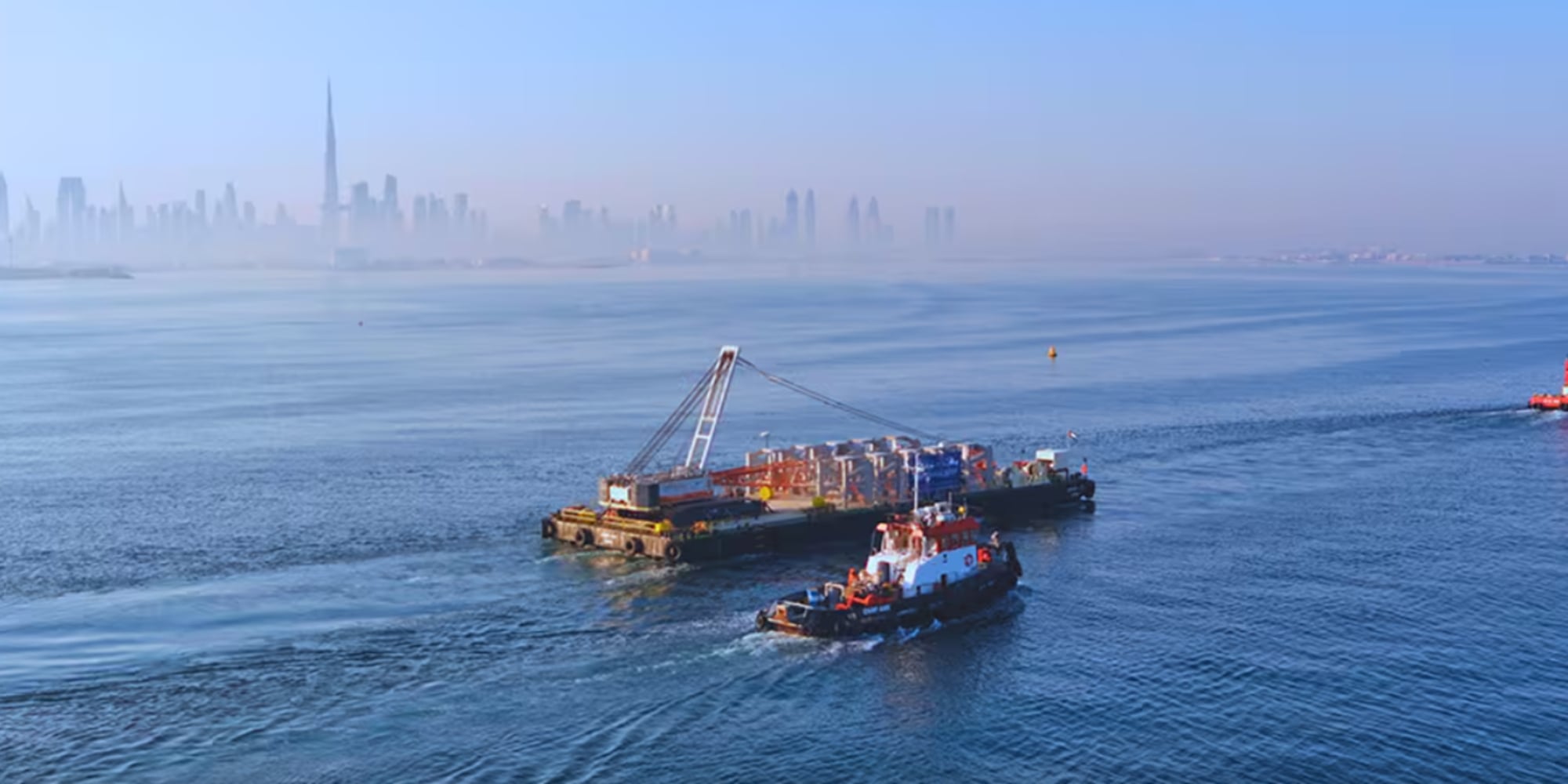
In my career, I’ve worked close to projects of this nature in the Middle East, where engineering decisions directly influence national development goals.
The projects I’m most drawn to are those where engineers are involved early, shaping strategy, managing risk, and ensuring long-term value rather than simply delivering a fixed scope.
Name one civil engineering myth you’d like to bust.
That civil engineering is a purely technical profession.
In senior roles, the real challenge lies in leadership, aligning stakeholders, making judgement calls with incomplete information, managing risk, and taking responsibility for outcomes that affect communities and economies.
Technical excellence is essential, but it’s leadership and integrity that define impact.
Has civil engineering helped you overcome any personal hurdles/difficulties?
Yes,without question.
Engineering has taught me discipline, resilience, and accountability.
Working across different cultures, under pressure, and at executive level forces you to remain calm, fair, and solution-focused.
Those skills carry directly into life outside work, particularly when navigating personal challenges and responsibility for others.
What motivated you to become professionally qualified?
Professional qualification represents trust.
As my responsibilities increased, from managing teams to advising city leaders and government entities, I wanted my decisions to be backed by recognised professional accountability.
ICE qualification was about credibility, integrity, and standing behind my judgement.
What does being professionally qualified with the ICE mean for your career?
It provides a recognised benchmark of competence and ethics, particularly when working internationally.
In the Middle East, ICE professional qualification carries significant weight with clients, government stakeholders, and partners. It demonstrates leadership, independence of thought, and adherence to global standards.
What’s the best thing about being professionally qualified with the ICE?
The confidence it gives, to yourself and others. It signals that you are trusted to lead, to make difficult decisions, and to uphold the values of the profession even under pressure.
How did the ICE and your employer support you to become professionally qualified?
Through structured development, mentoring, sponsorship, and exposure to increasing responsibility.
The ICE framework helped me reflect on experience, not just accumulate it, while supportive employers provided the opportunities needed to grow.
What do you value most about being an ICE member?
The professional community. Being part of a global institution that values standards, learning, and public good, and having the opportunity to give back through mentoring, leadership, and outreach.
How has being a member helped your career?
ICE membership has strengthened trust, opened senior-level conversations, and supported my transition into executive leadership.
It provides a common professional language when working across cultures and jurisdictions.
What’s the biggest/most complex thing you’ve made out of Lego? How long did it take you?
As a child, I built entire Lego cities, roads, bridges, buildings, and transport links – all connected.
I’d keep improving them over weeks, taking parts apart and rebuilding them better.
Looking back, it was early engineering thinking: planning systems, solving problems, and learning through trial and error.
Anything else? i.e. personal causes, hobbies
I’m deeply committed to mentoring young engineers and supporting professional development pathways.
As chair of the ICE in Saudi Arabia, I actively promote collaboration between institutions, industry, and government.
Outside work, I’m involved in creative projects, charity initiatives, and family life, all of which keep perspective and balance.
Dr Mckeown's career path
I obtained a higher national diploma in construction engineering, a bachelor of engineering degree in civil engineering, and a doctorate in sustainability engineering.
I've built my career progressively through technical, delivery, and leadership roles.
Over time, I moved into senior management and executive leadership, ultimately becoming CEO in an international consultancy environment.
My work now spans programme governance, strategic partnerships, digital transformation, and mentoring – while remaining grounded in engineering judgement and professional ethics.
Major projects
- Saudi GIGA infrastructure programmes, via PIF (public investment fund) partnerships – these are projects of an exceptionally large scale
- Industrial city programmes with MODON
- Multibillion-dollar capital programmes (HanmiGlobal, Jacobs, Hill International)
- UK regional transport and infrastructure planning programmes