

Inés Cava
Assistant structural engineer at AtkinsRéalis and President's Future Leader 2025-2026
Expertise
Design, Construction, StructuralLocation
LondonMy highlights
Working with the Low Carbon Concrete Group to model pathways to reduce emissions
Working on the expansion design for the RSW Florida Airport
Being selected as one of the ICE’s President’s Future Leaders for 2025-2026
A day in your life...
No two days are ever the same!
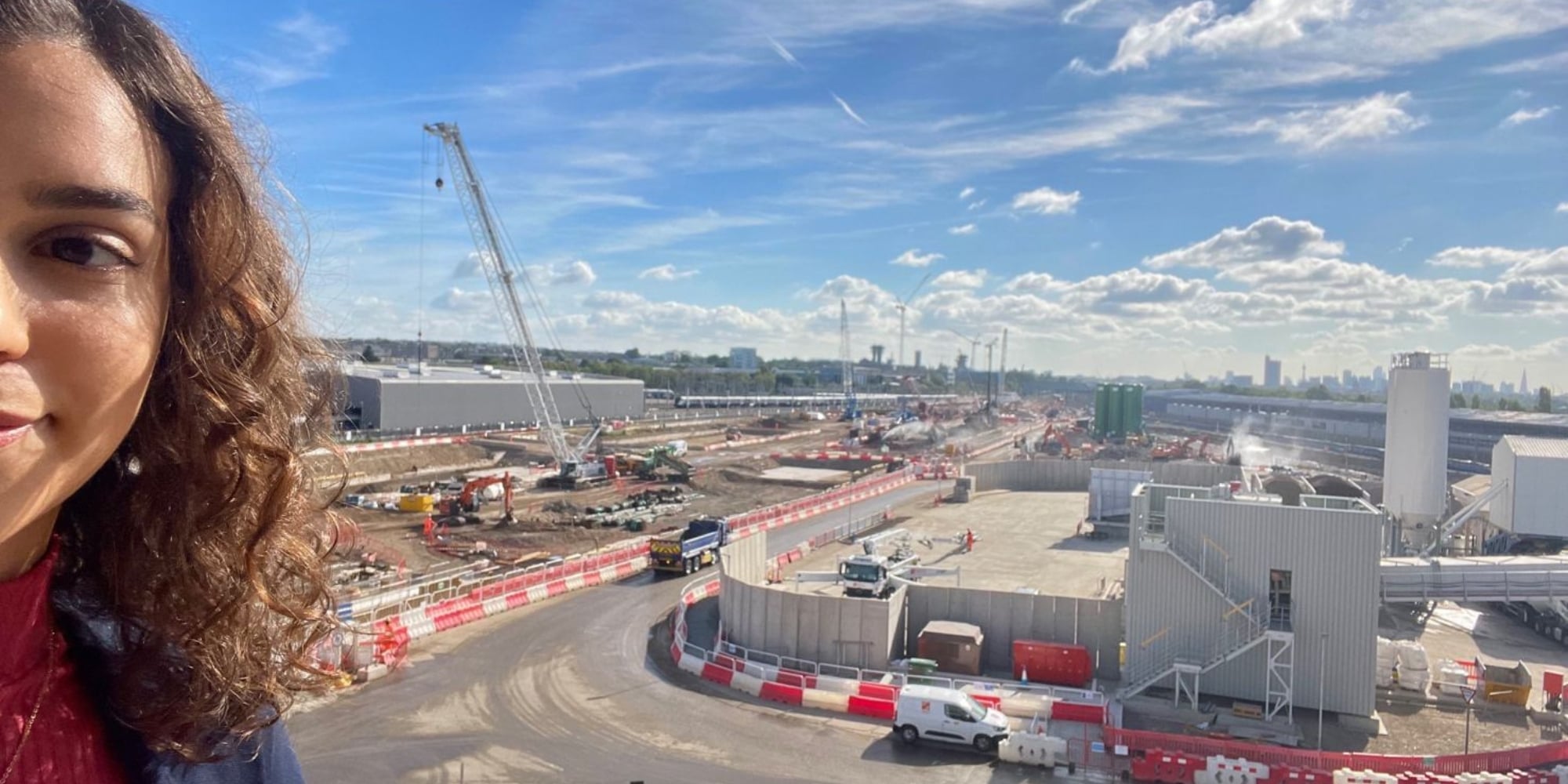
Since joining AtkinsRéalis, I’ve had the opportunity to work across the structures team, the façades team, and now in research and innovation. Each role offers its own unique challenges and learning experiences.
Some days, I’m deep into modelling structures, running load and stability checks, or selecting materials for building designs.
Other days, I’m researching low-carbon materials or exploring smarter construction methods.
I thrive on learning new skills and tackling fresh challenges, whether it’s designing façades or contributing to cutting-edge research.
Outside of work, you’ll likely find me running along the Thames!
Being an ICE member has opened doors to unique opportunities, such as the Future Leaders scheme, which will allow me to meet like-minded peers and broaden my perspective, not just in the structures field, but across the wider industry.
What inspired you to become a civil engineer?
Growing up, my dad’s love for architecture sparked my curiosity.
He would share stories about buildings in every city we visited, pointing out design details or interesting facts.
That early fascination with how buildings work, combined with my passion for maths and problem-solving, naturally led me to civil engineering.
We asked Inés…
I would recommend a career in civil or infrastructure engineering because…
It's an impactful way to improve people’s lives. Whether it’s designing bridges, roads, water systems, or public spaces, you’re enabling communities to move, connect, and thrive.
What makes it especially rewarding for me is the unique blend of creativity and problem-solving.
You get to work on designs that are not only structurally sound but also aesthetically pleasing.
It’s also satisfying seeing your ideas take shape in the real world, becoming part of the built environment and standing as a tangible legacy of your work.
Complete this phrase: I’m a civil engineer, but I’m also...
A traveller who loves exploring new places.
I’m also a runner who has completed the Barcelona and Paris marathons and is now training for Istanbul—the only race that spans two continents!
But skiing is still what I like to do most. Nothing beats fresh powder and the calm of skiing through the mountains.
Name one civil or infrastructure engineering myth you’d like to bust.
That engineers just do calculations.
In reality, design is creative, collaborative, and deeply human.
During my time in research and innovation, I've seen how much psychology, research, and thoughtful planning go into shaping buildings that truly serve the people who use them.
This makes spaces not just functional, but comfortable and inspiring.
How does your role contribute to addressing climate change?
I contribute by driving low-carbon design and promoting sustainable construction practices.
I support the Low Carbon Concrete Group (LCCG), helping define and quantify carbon reduction pathways.
I’m working with Homes England to shape their strategy for meeting housing delivery targets more sustainably through modern methods of construction (MMC).
I’m also actively involved in an Embodied Carbon Forum. I help develop in-house embodied carbon tools and carry out assessments to ensure our designs reduce environmental impact and support a more sustainable built environment.
How does your role contribute to making the industry more diverse and inclusive?
I engage with networks that promote equity in engineering, such as Empowering Women in Structural Engineering.
I also contribute to initiatives that highlight diverse voices and experiences in the profession.
What role does digital technology play in your job?
It’s central to how we design and collaborate.
From parametric modelling using Grasshopper to embodied carbon assessment tools and data dashboards, digitalisation drives better, faster, and more sustainable engineering decisions.
What is motivating you to become professionally qualified?
To gain recognition of technical competence and professional responsibility.
Chartered status with the ICE represents trust, rigour, and progression within the industry.
What does being professionally qualified with the ICE mean for your career?
Being professionally qualified with the ICE provides credibility, structure, and a recognised benchmark of excellence.
It’s a key step for leading projects and mentoring others in the future.
For me, it’s also been a great way to continue learning and growing as a professional, deepening my understanding of the field and reinforcing best practices.
How is the ICE and your employer supporting you to become professionally qualified?
Through structured training, mentoring, CPD sessions, and opportunities to rotate across disciplines and projects to gain chartership-relevant experience.
How has being an ICE member helped your career?
Being a member of the ICE has connected me with a strong professional community, valuable resources, and structured learning pathways.
This has strengthened my technical knowledge and professional confidence.
It’s also opened doors to unique opportunities, such as the Future Leaders Scheme, which will allow me to meet like-minded peers and broaden my perspective, not just in the structures field, but across the wider industry.
Inés' career path
I studied a master's degree in civil engineering at the University of Warwick.
I joined AtkinsRéalis in 2023 and have experience in building structures, façades and research and innovation.