






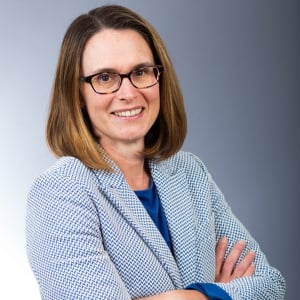
Aman Khandelwal
Civil engineer at Metis Consultants and President's Future Leader 2025-2026
Expertise
Design, Water, Environmental ManagementLocation
North WestMy highlights
Supporting major flood risk and drainage projects that protect homes and businesses in the UK
Being selected as one of the ICE’s President’s Future Leaders for 2025-2026
Contributing to innovative AI and data-driven tools to improve decision-making in water infrastructure projects
A day in your life...
No two days are the same, but most of my time is spent working on modelling and designing engineering solutions.
I assess different networks and treatment works, looking for the best long-term solutions that are sustainable and support communities.
I enjoy the challenge of balancing technical detail with a big-picture perspective.
Alongside this, I’m involved with the ICE President’s Future Leaders programme, the ICE North West Future Leaders, and serve as a regional secretary.
These roles allow me to work on larger-scale initiatives and connect the civil engineering community more closely.
What excites me most is knowing that the work I do every day contributes not only to protecting people and the environment, but also to shaping the future of civil engineering.
I would recommend a career in civil or infrastructure engineering because it gives you the chance to solve real-world problems that matter to people.
Every project leaves a positive mark on communities and the environment.
What inspired you to become a civil engineer?
I was inspired by seeing how water infrastructure can transform people’s lives back home in India, and now in the UK.
Growing up, I witnessed villages being swept away by floods. People’s lives were deeply affected because the right infrastructure and defences were not in place.
Those moments stayed with me and became my motivation to become a water engineer.
I wanted to be part of creating solutions that are sustainable, community-focused, and that truly protect people for the long term.
We asked Aman…
Complete this phrase: I’m a civil engineer, but I’m also...
A chef! Cooking is my favourite stress buster.
I'm also a mentor, helping others find their path in engineering.
I also see myself as a communicator, someone who believes in making complex ideas simple and accessible for everyone.
Name one civil or infrastructure engineering myth you’d like to bust.
Civil engineering isn’t just about concrete and bridges. It’s about people, communities, and shaping a better future.
How does your role contribute to addressing climate change?
By designing flood resilience and sustainable drainage solutions, I help communities adapt to the impacts of climate change, such as heavier rainfall and rising flood risk.
How does your role contribute to making the industry more diverse and inclusive?
I volunteer with the ICE and take part in mentoring programmes to help young people from different backgrounds feel welcomed into engineering.
I'm also developing dashboards and frameworks that measure the socio-economic impact of flooding.
My goal is to ensure we shape a future where global flood risk management evolves without inequalities. Where communities, regardless of background or location, are equally protected and supported.
What role does digital technology play in your job?
I use hydraulic modelling software and digital tools every day to test designs, predict risks, and make faster, better decisions for sustainable water management.
What is motivating you to become professionally qualified?
I want to become a Chartered Engineer because it represents the highest standard of professionalism in our industry.
For me, it’s not just a title, it’s proof that I can take responsibility for solutions that protect people, communities, and the environment.
What does being professionally qualified with the ICE mean for your career?
Becoming professionally qualified will give me the chance to lead bigger projects, influence decisions at a higher level, and show clients and communities that they can trust the solutions I help deliver.
It will also open doors for me to mentor and inspire more young engineers.
How is the ICE and your employer supporting you to become professionally qualified?
The ICE has provided me with a clear framework through IPD (initial professional development), and regular guidance from reviewers and mentors.
My employer, Tetra Tech, supports me with training, technical experience, and time to focus on professional development.
Together, they have made the path toward chartership structured and achievable.
How has being a member helped your career?
Being a member of the ICE has given me access to mentoring, networks, and opportunities that I would never have found on my own.
Through the ICE, I’ve developed as a leader, joined programmes like the President’s Future Leaders, and contributed to discussions about the future of civil engineering.
It’s helped me grow in confidence, sharpen my skills, and feel part of a global community working to make a positive difference.
What’s the biggest difference you’ve noticed from studying to working in engineering?
The biggest difference is responsibility.
At university, most of my work was about learning theories and solving set problems.
In my job, the solutions I help design directly affect people’s lives, homes, and the environment.
That makes the work exciting but also means I have to think carefully about the long-term impact.
Another big change is teamwork. In industry, you work with clients, communities, and colleagues from many different backgrounds, which makes every project a shared journey.
Anything else? i.e. personal causes, hobbies
Outside of engineering, I love cooking. Being a chef in my own kitchen is my favourite way to relax. I've been a professional chef as well.
I also enjoy exploring new places and cultures through food and travel.
Aman's career path
I studied engineering in India before moving to the UK to build my career in water and flood risk management.
I started as a graduate engineer and have been involved in projects ranging from small drainage strategies to major water infrastructure planning.
Along the way, I’ve learned how important it is to combine technical skills with communication and leadership.
My journey shows that civil engineering has no borders. It’s a global career where you can bring your passion to solve problems that affect people everywhere.
Major projects
- United Utilities - Better Rivers
- Derby Flood Elevation Scheme
- Northern Gateway
- EU Flood Risk Exposure





Related Content

- Type
- ICE Community blog
More than a scheme: my year as an ICE President’s Future Leader
When he started the scheme, flood risk engineer Aman Khandelwal couldn't have guessed how profoundly the experience would change him.

- Type
- ICE Community blog
What early career engineers want you to know about communicating with the public
If we want infrastructure that people can trust, we need to get better at explaining its purpose, writes Aman Khandelwal, President’s Future Leader for 2025 to 2026.

- Type
- News
Nominations open for ICE president
Candidates who meet the requirements are invited to stand to represent the institution as a future president of the ICE.