





Check out our list of engineers from history who've had a meaningful impact on the profession, the industry, and our institution.

History has known many great engineers, from as far back as ancient civilisations.
Determining who the 'best' ones are is probably an impossible task, but we recognise the following engineers for their pioneering role in civil engineering as a profession.
Some of them revolutionised many of the techniques that we still use to this day.
See who were members, and even presidents, of the ICE!
In no particular order:
1. Isambard Kingdom Brunel

Voted the second greatest Briton of all time (after Winston Churchill), Isambard Kingdom Brunel had a remarkable impact on civil engineering as a profession.
As the chief engineer for the Great Western Railway (GWR), Brunel designed and innovated on tunnels, bridges, viaducts, and rail itself by introducing what is known as the broad gauge.
Brunel also designed the Clifton Suspension Bridge in Bristol, although it was completed after his death.
Brunel was a member of ICE from 1829 and he served as vice president from 1850 to 1859.
2. Dorothy Buchanan

Dorothy Buchanan was the first female member of the Institution of Civil Engineers.
Buchanan’s first break came when she met Sir Ralph Freeman, senior partner at Douglas Fox & Partners.
Freeman was also providing consultancy advice to the steelwork contractors Dorman Long and was recruiting staff to work on Sydney Harbour Bridge.
Freeman recruited Buchanan to work on the bridge design team under Dorman Long.
Buchanan worked on several notable projects throughout her career, ranging from the Tyne Bridge in Newcastle-Upon-Tyne to the Silent Valley Reservoir in Northern Ireland.
3. John Smeaton

Known as the 'father of civil engineering', John Smeaton designed the new Eddystone Lighthouse, also known as Smeaton’s Tower, off the coast of Plymouth after it was destroyed by a fire in December 1755.
Pioneering the use of cast iron in water and windmill mechanisms, he became one of the busiest consulting civil engineering during the second half of the 18th century.
Smeaton also founded the first engineering society in the world.
The Society of Civil Engineers was inaugurated in 1771. It’s now known as the Smeatonian Society of Civil Engineers and still meets at the ICE headquarters, One Great George Street, to this day.
4. Gustave Eiffel
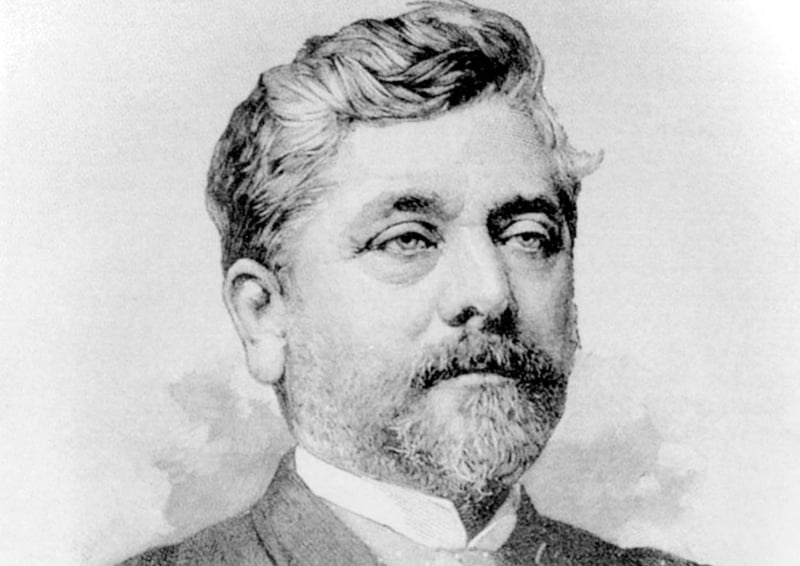
The 'magician of iron', Gustave Eiffel, designed some of the most iconic structures of our time, including the Eiffel Tower and the Statue of Liberty.
He was a master in structural mechanical work and material economy.
In fact, did you know that if you melted the Eiffel Tower, it would only fill up its base about two and a half inches deep? And that’s over 12,000 different components-worth of metal!
Eiffel was a member of the French Society of Civil Engineers, presiding over it in 1889.
5. John Bradfield

John Bradfield, or the 'father of modern Sydney', was the Australian civil engineer behind the iconic Sydney Harbour Bridge, which opened in 1932.
He was also responsible for proposing a grand plan for an underground electric railway system, inspired by those in London and New York. It's now known as the City Circle.
Bradfield was an associate member of the ICE from 1893.
6. Apollodorus of Damascus
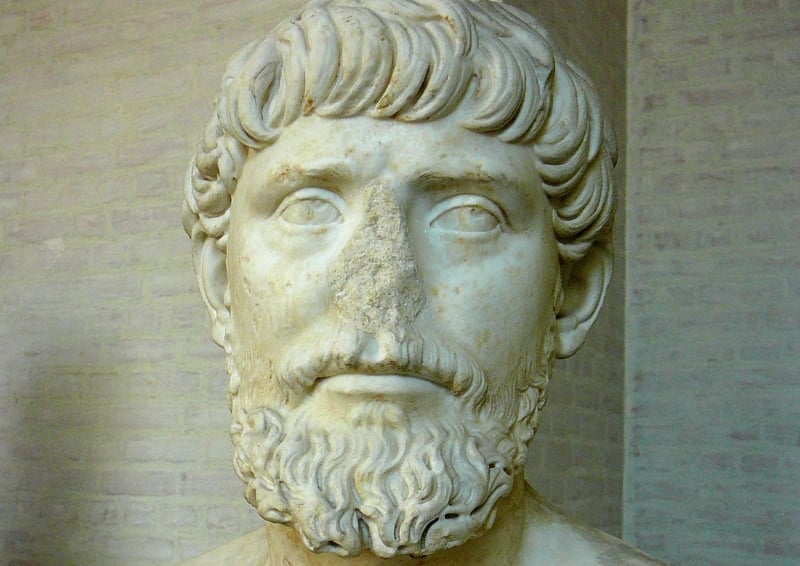
Greek engineer and architect, Apollodorus of Damascus pioneered many techniques and structures that would inspire the civil engineers of the future.
Of his designs, erected during Emperor Trajan’s rule (98-117AD), Trajan’s Bridge is the most well-known. The impressive structure crossed the Danube river and extended 1135m across.
He was also responsible for designing the Roman baths, the Forum, Trajan’s column, Trajan’s market, and the Ulpia Basilica in Rome.
7. Sir Joseph William Bazalgette
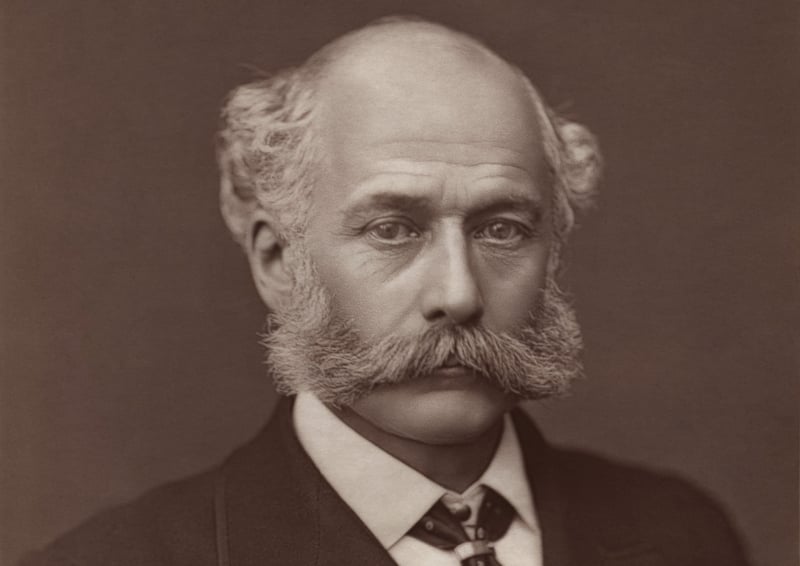
Sir Joseph William Bazalgette was a civil engineer in the 19th century who built London’s first sewer network.
His work helped wipe out cholera from the capital, which had turned into a deadly epidemic at the time.
He also designed the Albert, Victoria, and Chelsea embankments as part of his sewer system in central London.
During 1884, Bazalgette was the 24th president of the ICE.
8. Squire Whipple
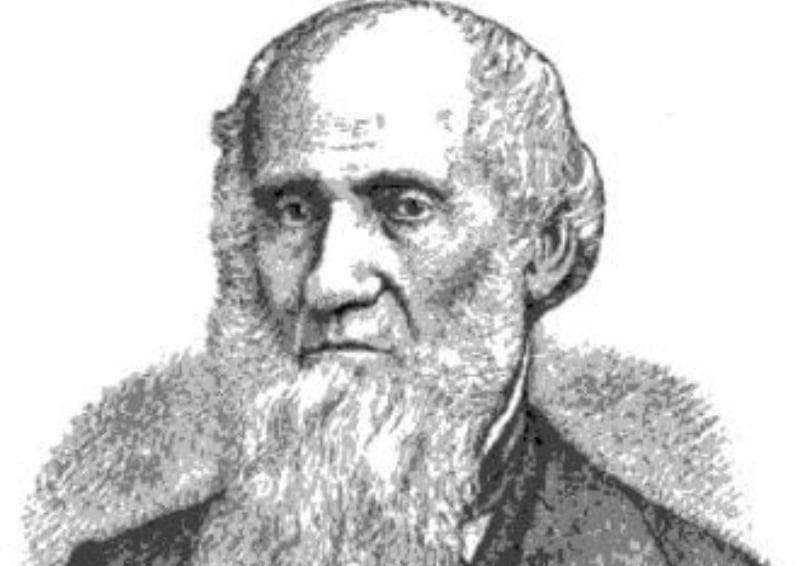
Squire Whipple was known as ‘the father of iron bridge-building in America'. He famously provided the first scientific method for bridge construction.
Whipple advocated for using cast iron to build bridges in place of timber, which was more vulnerable to bad weather and damage.
Whipple was working at the Erie Canal during this time and persuaded authorities to take his proposal seriously.
So determined was he to make them see his perspective that he ultimately built an iron truss bridge at his own expense.
It paid off, and Whipple's efforts ultimately resulted in hundreds of bow-string truss bridges being built across the canal.
9. George Stephenson

George Stephenson was an eminent civil and mechanical engineer known as the 'father of railways'.
Stephenson was responsible for numerous inventions, including the Geordie Lamp, the first locomotive steam train, and Stephenson’s gauge.
He later founded the Institution of Mechanical Engineers and shared a close relationship with the ICE. He became a member in 1853, later donating a portion of his land, which allowed for expanding the institution's premises.
10. Sir Mokshagundam Visvesvaraya
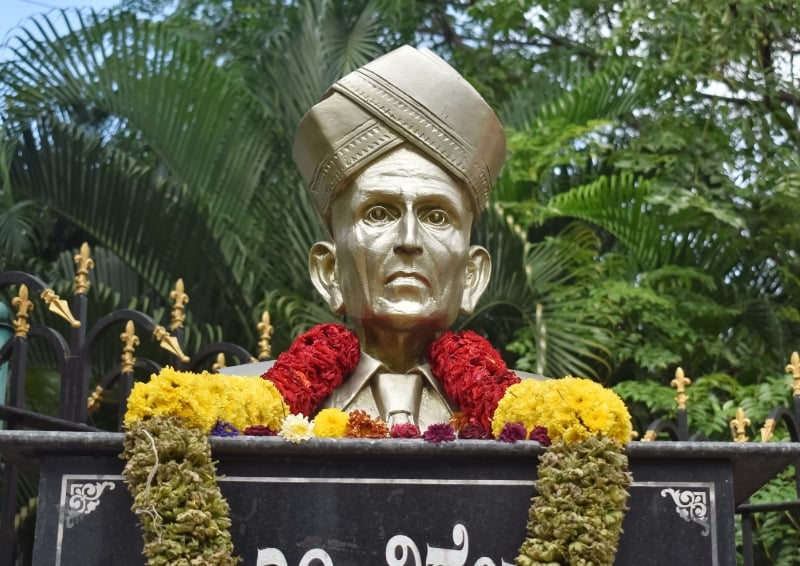
Sir Mokshagundam Visvesvaraya was a civil engineer, statesman and the 19th Diwan of Mysore.
He worked in water irrigation, designing the Krishna Raja Sagara dam.
The dam changed the lives of the people of Mandya, providing drinking water for civilians and transforming wasteland into fertile ground for farming.
He also designed an innovative flood-protection system for the city of Hyderabad.
Visvesvaraya was an associate member of the ICE.
11. John Rennie
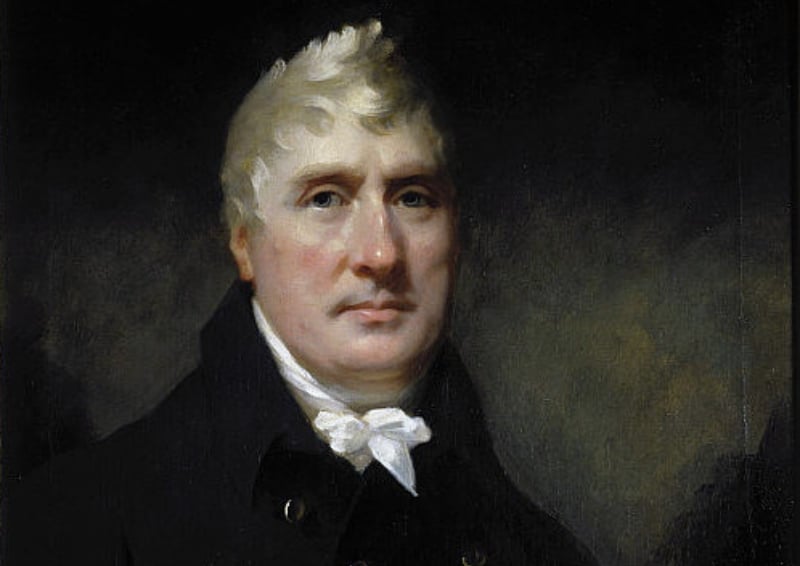
John Rennie was one of the 19th century’s most eminent civil engineers, most famous for his work on the capital’s bridges, including Waterloo Bridge, the new London Bridge and Southwark Bridge.
He designed and improved everything from the Kennet and Avon Canal in Wiltshire to the London Docks and East and West India Docks throughout his career.
12. Thomas Telford

Thomas Telford enjoyed an illustrious career in engineering, having worked on some of the most significant infrastructure projects in the UK.
This includes the design and construction of the the Menai Suspension Bridge.
Telford also worked extensively on designing and improving canals, provided expert consultancy for international infrastructure projects, and worked on roads in the Scottish Lowlands.
Telford became the first president of the ICE in 1820.
Honourable mention
We wanted to give an honourable mention to someone who stepped up to make the construction of the iconic Brooklyn Bridge in New York City possible.
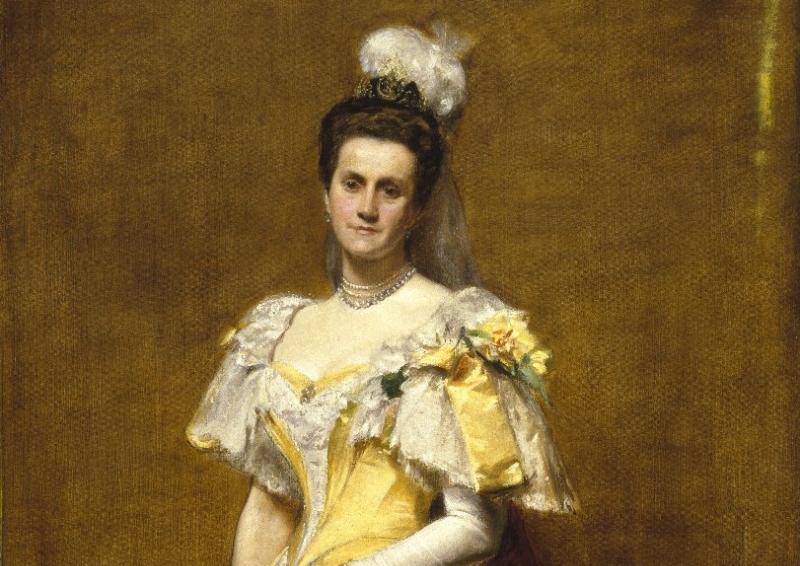
Emily Warren Roebling oversaw the project after her husband, Washington Augustus Roebling, the chief engineer, fell ill with decompression sickness.
While he was bedridden, Emily served as his liaison with the engineering team. Complementing her existing interest in the project, her husband taught her about material strength, stress analysis, cable fabrication, and more.
Over time, she demonstrated such skill and understanding of the bridge's construction that many observed she'd taken over the role of chief engineer.
Emily was the first to cross the bridge by carriage.
Do you agree with our list? Are we missing anyone?
Article originally published on 18 February 2022.

Sustainable Development Goals:
You may also be interested in

- Type
- ICE Community blog
What's the foundation of flood resilience? Information
ICE President David Porter explains why being informed about flood risk is so important for the public and civil and infrastructure engineers.

- Type
- Awards and competitions
It’s electrifying! South Wales Metro track transformation bags top award
The electrification of the Core Valley Lines impressed the judges at the 2026 British Construction and Infrastructure Awards.

- Type
- Civil Engineer blog
The long-term consequences of a really good idea
Good decisions made at speed can lead the industry down unintended paths, writes Steven Yule, ICE country representative for the UAE.