





The National Wealth Fund has released its five-year plan. How will it crowd in much needed private capital?
The UK government has ambitious plans for infrastructure. But it can’t deliver them alone.
It will need private investors to provide up to half of the £700 billion needed between 2023 and 2033.
Some of that investment will need to go to high-growth or riskier projects. Attracting that capital is the responsibility of the National Wealth Fund (NWF).
Replacing the UK Infrastructure Bank, the NWF recently released its strategic plan.
Public investment in the right projects can reduce risk and stimulate – or ‘crowd in’ – private investment. The plan details how the NWF intends to do this over the next five years.
So, what’s in the plan? And how does it measure up to the ICE’s previous recommendations on the future of the fund?
A strong risk appetite will be key to the fund’s success
Last year, the House of Commons’ Treasury Committee launched an inquiry to understand how the NWF can succeed.
In our evidence to the inquiry, the ICE stressed the importance of a higher-risk investment approach.
It’s positive, then, that the Treasury has been supporting the fund to increase its risk appetite.
Its economic capital limit – the amount the fund holds to cover unexpected losses – has increased to £7 billion. This gives the fund more room to take riskier investments.
Progress and future aims
So far, the fund has deployed £8.4 billion, nearly a third of the £27.8 billion it's been allocated.
Investing in more than 70 companies, projects, and local authorities across the UK, it has mobilised more than £17 billion in private finance.
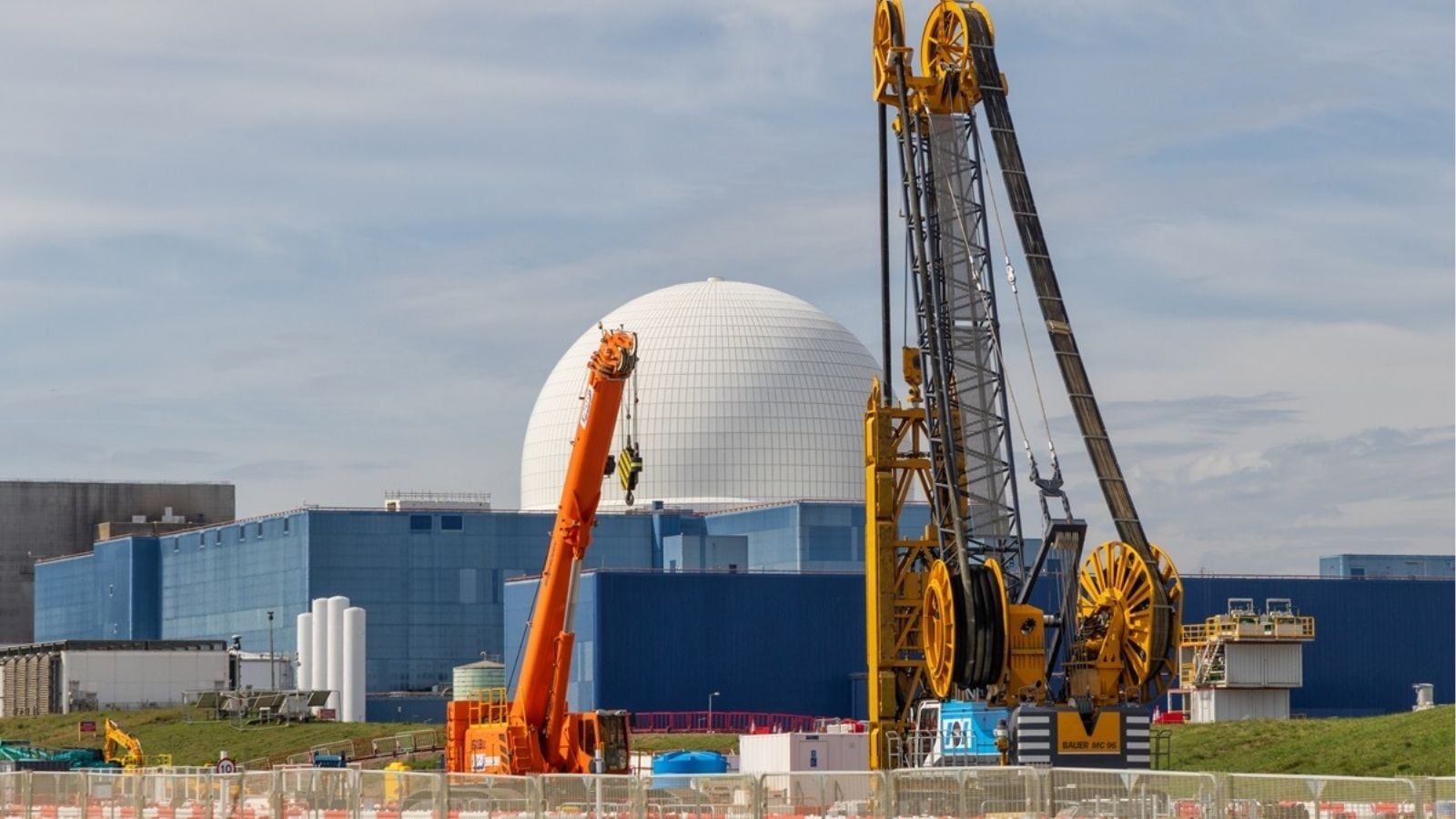
In addition to this core spending, it has committed £36.6 billion to the construction of the Sizewell C nuclear plant.
The fund’s portfolio is set to drive more than £100 billion of finance over the next five years and create or support more than 200,000 jobs by 2050.
The NWF also estimates that its projects and the co-investment it attracts will save 500 million tonnes of carbon dioxide emissions by 2050.
The key initiatives in the strategic plan
Three principles will drive the fund’s investments over the next five years. Investments should:
- support the government’s growth and clean energy missions;
- deliver a positive financial return for the government; and
- crowd in significant private capital over time.
The fund has identified 10 sectors where it expects to have the deepest role. These are overwhelmingly infrastructure focused, including areas like ports, transport, the power grid, nuclear, and place-based regeneration.
These are the sectors in which the fund will directly invest. Other investment areas might instead be supported via debt or guarantee financing.
The fund will also support high-growth sectors. These will be more innovative industries, like AI, semiconductor production, and critical minerals. Quantum technologies, the defence industry and aerospace supply chains are all on the table too.
Debt and guarantees will also support the delivery of core infrastructure. Water, offshore wind, and electric vehicle (EV) charging are among the sectors being looked at.
Support to local government
The last core pillar of the strategic plan is the fund’s Regional Project Accelerator work programme.
Alongside its role as a public finance institution, the fund provides advice to local and strategic authorities.
A focus for the next five years will be expanding the fund’s expertise across sectors, financing, and local government to support place-based projects that have the biggest impact.
A joined-up approach
The NWF is clearly focused on its role delivering the government’s industrial and infrastructure strategies.
It has selected sectors that align with these documents, including opportunities in clean energy, advanced manufacturing, digital and technologies, and transport.
The ICE has called for greater coordination between strategies and in public bodies’ delivery of them. So, this coordinated focus is positive to see.
The NWF has also rightly recognised that better coordination is needed across the UK’s public financial institutions.
The fund intends to collaborate with bodies like Great British Energy and the British Business Bank to operate on a ‘no wrong door’ basis.
This would ensure that customers – whether they’re sponsoring projects or leading businesses – can access the right expertise and referrals across the ecosystem.
Private investors need clarity about how and where to engage. Their capital is globally mobile, and the UK will need to do as much as possible to attract it into high-growth sectors – which starts with being clear about the purpose of each public body.
A joined-up approach will be crucial to keep momentum up, prioritise the right investments, and ensure work isn’t duplicated.
The ICE’s view
The ICE welcomes the NWF’s strategic plan. The fund will play an important role in attracting the private capital the UK needs to achieve its goals.
It’s positive that the plan links so clearly with last year’s industrial and infrastructure strategies. The fund’s acknowledgement of the need for a joined-up investment environment is also a positive step forward.
But there are still outstanding questions.
How will investments in traditional sectors like transport meet the high-growth, high-risk tests that should inform the fund’s investments?
And will the ‘no wrong door’ approach be coordinated enough in practice to attract global capital?
The plan picks up on the need to measure the impact of long-term investments over a longer horizon. But it’s also worth noting that the Treasury still expects regular reporting. Will this hamstring the fund’s ability to take enough risk on longer-term investments?
We’ll have to wait and see.

You may also be interested in

- Type
- Infrastructure blog
Why the CMA's civil engineering market study is a once-in-a-generation opportunity
It will take more than a strategy paper to change the fortunes of the sector. Mike Reader MP explains why the Competition and Markets Authority's recent study could lead to real change.

- Type
- Infrastructure blog
What architecture is getting right about inclusive design
The Royal Institute of British Architects' (RIBA) has shared best practice that the infrastructure sector can apply in its work.

- Type
- Infrastructure blog
How do you build infrastructure with communities, not just for them?
A new ICE policy programme will explore public engagement in infrastructure in the hopes of speeding up delivery and rebuilding public trust.