





The creation of the role was one of the recommendations from the Grenfell Tower Inquiry report.
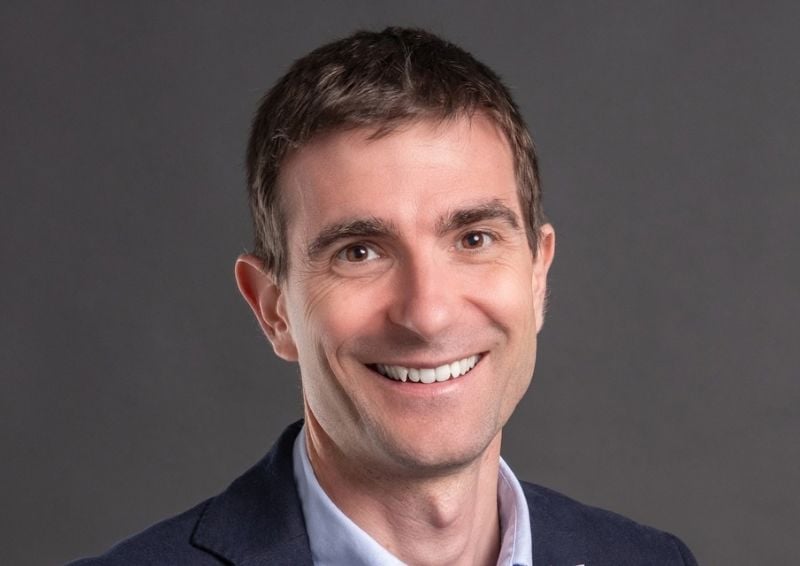
The UK government has appointed a civil engineer as its independent chief construction and scientific adviser (CCSA).
Sergio Cavalaro, professor of infrastructure systems at Loughborough University’s School of Architecture, Building and Civil Engineering, takes on the role full-time for the next three years.
“I am committed to working with the Building Safety Regulator and across the wider sector to improve the safety, quality, resilience and productivity of the built environment,” Professor Cavalaro said.
The appointment of a CCSA was one of the recommendations of the inquiry report following the Grenfell Tower fire tragedy in 2017, which revealed significant building safety failings.
The role of the CCSA is to provide independent, expert engineering advice on the safety, quality and resilience of buildings.
Professor Cavalaro will also advise on productivity across the built environment sector.
Dr Ohis Ilalokhoin, ICE trustee, learning society and chair of the Safety Risk Advisory Group, said: "One of the key learnings from the Grenfell inquiry and other safety incidents is the importance of competence.
"Safety-related decisions should be made by professionals with appropriate expertise, training and judgement.
"Professor Sergio Cavalaro's appointment as the chief construction and scientific adviser prioritises engineering expertise at the heart of government decision making.
"The ICE looks forward to working with him to implement cultural change and further recommendations to improve safety across the built environment."
About Professor Sergio Cavalaro
Professor Cavalaro is a civil engineer with a PhD in construction engineering.
His expertise spans the whole built asset lifecycle, from design and construction through to maintenance, renewal and end-of-life management.
As an independent expert advisor, he’s previously advised governments, for example, using knowledge from pioneering research on Reinforced Autoclaved Aerated Concrete (RAAC) to help keep hospitals operational during the COVID-19 pandemic.
This work also informed responses during the national RAAC crisis in late 2023, when the government advised schools to close until building safety work was carried out.
He has also led collaborative research to advance modern methods of construction, innovative uses of end-of-life building materials, and his recent projects include digital modelling for 3D-printed concrete.

You may also be interested in

- Type
- Lecture
The Grenfell Tower Fire: Key outcomes and Further Changes on the Horizon
The IESF British Section invites you to an evening lecture by Professor José Torero, an expert appointed to the Grenfell Tower Fire Inquiry. The lecture will review key findings from the Inquiry, actions taken to date, and consider whether current professional practices have changed sufficiently, as…

- Type
- News
UK government opens consultation on creation of a single construction regulator
The proposal is to create a better regulatory system following the Grenfell Tower tragedy.

- Type
- Lecture
Performance-based structural fire engineering in the energy industry
The talk explores performance-based fire safety strategies for energy infrastructure, highlighting case studies that enhance safety, reduce downtime, and support sustainability through advanced modelling and interdisciplinary collaboration.