





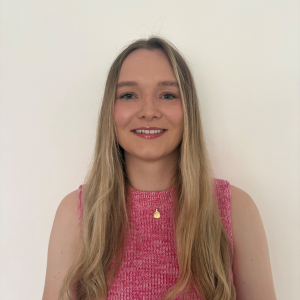
Emily Shaw
Water engineer, Arup
Expertise
Design, Water, Environmental ManagementLocation
North WestMy highlights
Designing a footbridge to improve access at Llyn Fuches Las reservoir
Working on the Fowlea Brook Flood Risk Management Scheme which won two awards at the ICE West Midlands Awards
Being chair of the ICE Merseyside committee, which has been very rewarding
A day in my life
I've recently started in a new role as a water engineer at Arup, but in my previous role at Binnies, I was rotated into the network modelling team.
My role involved using models of sewage networks and examining how often they spill into watercourses.
I would start the day by checking my emails and any upcoming meetings for the day. I then would check if I have any model runs that have completed.
I think a good engineer is a well-rounded person who can communicate effectively with a variety of people and has strong problem-solving skills.
What inspired you to become a civil engineer?
My dad introduced me to engineering from a young age. I watched him build a wall and dig land drains in our garden, and we used to make lots of things out of Lego.
I remember us watching a programme together about sewers when I was in primary school and I was fascinated about this hidden world beneath our feet and where the water goes!
When I was in high school, we had a careers day and I attended a talk delivered by an architect, as I thought I would like to study architecture at university.
After some more research I soon discovered that I was more interested in engineering as it encompasses so many sectors and gives you the opportunity to create infrastructure that civilisation depends on.
This led me to undertake my own research, including reading Seven Wonders of the Industrial World, where I learnt about Joseph Bazalgette and the egg-shaped sewer.
I was fascinated about the network of underground services that are essential for modern day life as we know it, yet are often taken for granted.
In the summer between high school and sixth form, I undertook work experience with an engineering consultancy.
During my two weeks there, I spent one week with a civil engineer and went on a site visit to identify surface water sewers.
I spent the second week with a structural engineer using software to create drawings for a new railway platform.
This experience was eye opening and made me realise I wanted to pursue a career in civil engineering.
We asked Emily…
I would recommend a career in civil or infrastructure engineering because...
Every day is genuinely different and there is nothing more rewarding than knowing the projects you’re working on contribute to making the world a better place.
It’s a great feeling seeing something you have designed being built and knowing it will be in place for many years to come.
Name one civil or infrastructure engineering myth you'd like to bust.
That maths is the most important skill you need to be an engineer.
I almost didn’t study engineering as maths is my least favourite subject and it was drilled into me that I need to be amazing at maths to be an engineer.
How does your role contribute to addressing climate change?
In my previous role I worked on network modelling which involves running scenarios in a model of sewage systems using specialist software.
This will eventually produce data that can help reduce the number of spills from combined sewer overflows (CSOs).
Climate change is increasing the frequency of extreme rainfall and flooding, so this work is important to ensure our infrastructure can cope with future conditions.
What motivated you, or is motivating you, to become professionally qualified?
I think it is important to gain recognition for your hard work and it’s also a commitment to being the best engineer you can be by keeping up with the latest industry changes.
How has being a member helped your career?
Being a graduate member has helped me connect with other engineers in different organisations.
It has allowed me to keep up to date with the latest industry news and cutting-edge projects.
I’ve also had the opportunity to be chair of the ICE Merseyside branch.
This has been really rewarding – being able to put on local events that promote engineering and showcase projects in the region.
What's the biggest difference you've noticed from studying to working in engineering?
Working has allowed me to use critical thinking and problem solving in a different way.
For example, the nature of working on a live construction project means decisions have to be made effectively and problems have to be solved quickly.
Emily's career path
I didn’t study maths A-level and so I was able to gain a place at the University of Liverpool doing an integrated foundation year.
This essentially involved doing a one-year course prior to my degree where I studied maths, further maths and physics.
After completing my foundation year, I completed a BEng in civil engineering.
While at university, I undertook summer placements.
This is essentially a summer job where you gain relevant experience and also get paid.
One of my placements was in the water team at an engineering consultancy which I really enjoyed.
This then led me to undertake an MSc degree in water, energy and the environment.
Major projects
- Fowlea Brook Flood Risk Management Scheme
- Llyn Fuches Las Reservoir
- Cardigan Tidal Flood Risk Management Scheme





Related Content

- Type
- ICE Community blog
What's the foundation of flood resilience? Information
ICE President David Porter explains why being informed about flood risk is so important for the public and civil and infrastructure engineers.

- Type
- Awards and competitions
It’s electrifying! South Wales Metro track transformation bags top award
The electrification of the Core Valley Lines impressed the judges at the 2026 British Construction and Infrastructure Awards.

- Type
- Civil Engineer blog
The long-term consequences of a really good idea
Good decisions made at speed can lead the industry down unintended paths, writes Steven Yule, ICE country representative for the UAE.