





Where you start does not define where you can go, says ICE Fellow Ken Evans.
My career did not begin in civil engineering.
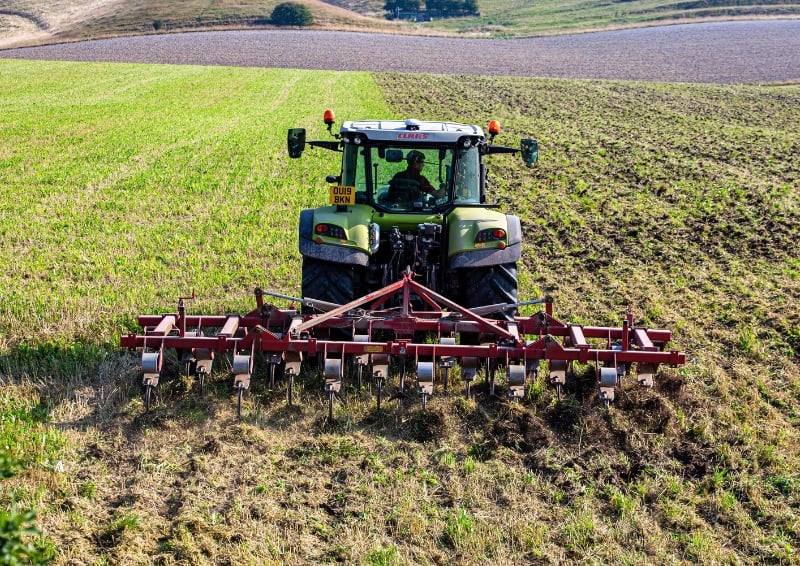
It began in farming, in the hills of the Brecon Beacons.
Like many, I didn't follow a traditional route into the profession.
I started with an agricultural apprenticeship, working outdoors, developing practical skills and building a strong work ethic from an early age.
Farming taught me resilience, discipline and the importance of reliability, whatever the weather or conditions.
Over time, however, I realised I wanted a different challenge. One that would allow me to contribute more broadly to the communities around me and have a lasting impact on the places people live in and travel to and from every day.
That decision led me into the highways sector – and to my first role filling potholes.
Learning from the ground up
My early days in civil engineering were hands-on.
Working on the back of a lorry, filling potholes, operating construction machinery, and working in all conditions – this was my introduction to the industry.
It was demanding, physical work, but it provided something invaluable: a real understanding of how infrastructure is delivered and maintained at ground level.
It also gave me a deep respect for the people who carry out this work every day, often in difficult and unpredictable conditions.
Those early experiences shaped my perspective and have stayed with me throughout my career.
They continue to influence how I make decisions today, particularly when balancing efficiency, safety and quality.
A defining moment
One moment changed how I viewed my career and my future.
During the severe snowstorms of 1980, I became stranded on the Brecon to Penderyn mountain road while travelling from a construction site in extreme conditions.
The situation escalated quickly, and I found myself stuck in deep snow for over eight hours, in serious difficulty.
I was eventually saved by mountain rescue and taken to shelter overnight in a police station in Penderyn.
That night gave me time to reflect on how precious life is. It also made me realise that if I wanted to progress, I needed to take control of my direction and make the most of the opportunities in front of me.
From that point on, I approached opportunities differently, with a greater sense of purpose and determination.
Progression through determination
From those early beginnings, I worked my way through the industry, learning, adapting, and taking opportunities as they arose.
Over time, and through a great deal of hard work, that journey led to becoming an Incorporated Engineer, and later, through further experience in management roles, achieving Chartered Engineer status.
Two highlights of my career were being elected chair of ICE Wales Cymru, where I represented 3,800 members, and achieving ICE Fellowship – an honour I am extremely proud of.
These milestones were not achieved overnight. They were built on years of experience, learning from others, and continuously developing technical and leadership skills.
But no one progresses alone.
Along the way, I was supported by people who helped shape my journey.
In particular, Keith Jones, director of ICE Wales Cymru, who provided encouragement, support and belief in me at key stages of my development, helping me to push forward when it mattered most.
You do not build a career alone. You build it through hard work, setbacks, and the people who help you back up.
Ken Evans
Leading today
Today, I hold a leadership role at Centregreat, working across infrastructure and highways.
What I bring to that role is not just technical knowledge. It’s lived experience.
Having started on the tools, I understand the realities of frontline delivery, the importance of safety, and the need to deliver more with limited resources.
That perspective shapes how I approach leadership, focusing on practical solutions, supporting teams on the ground, and driving improvements that make a tangible difference.
This includes improving the efficiency and resilience of local road networks, helping clients deliver better outcomes, and ensuring that investment in infrastructure translates into real benefits for communities across Wales.
In an environment where funding is often constrained and expectations are high, it’s more important than ever to think differently and deliver smarter solutions.
The importance of support
While hard work and determination are essential, support from others plays a vital role.
For me, my wife Claire has been that constant support. At times when things did not go to plan – when I faced setbacks – she was the one who picked me up, dusted me off, and helped me keep moving forward.
That support has been invaluable throughout my journey and is a reminder that success is rarely achieved in isolation.
A message for future civil engineers
There is no single route into civil engineering.
Whether you start in academia, industry, or somewhere entirely different – as I did – the key is to remain open to learning and willing to step outside your comfort zone.
Often, it’s the most challenging moments that define your path and shape your future.
Civil engineering is a profession built on resilience, problem-solving, and continuous improvement. My journey reflects that.
It shows that where you start does not define where you can go. What matters is the effort you put in, the attitude you bring, and the people who support you along the way.

Sustainable Development Goals:
You may also be interested in

- Type
- ICE Community blog
What's the foundation of flood resilience? Information
ICE President David Porter explains why being informed about flood risk is so important for the public and civil and infrastructure engineers.

- Type
- Awards and competitions
It’s electrifying! South Wales Metro track transformation bags top award
The electrification of the Core Valley Lines impressed the judges at the 2026 British Construction and Infrastructure Awards.

- Type
- Civil Engineer blog
The long-term consequences of a really good idea
Good decisions made at speed can lead the industry down unintended paths, writes Steven Yule, ICE country representative for the UAE.