





Resilient Transport 2026
Join industry leaders in Manchester this September to explore practical solutions for building stronger, more adaptable networks.
Book your place

For decades, roads have been designed to perform within a relatively predictable climate. That won’t work anymore, explains ICE Fellow Ken Evans.
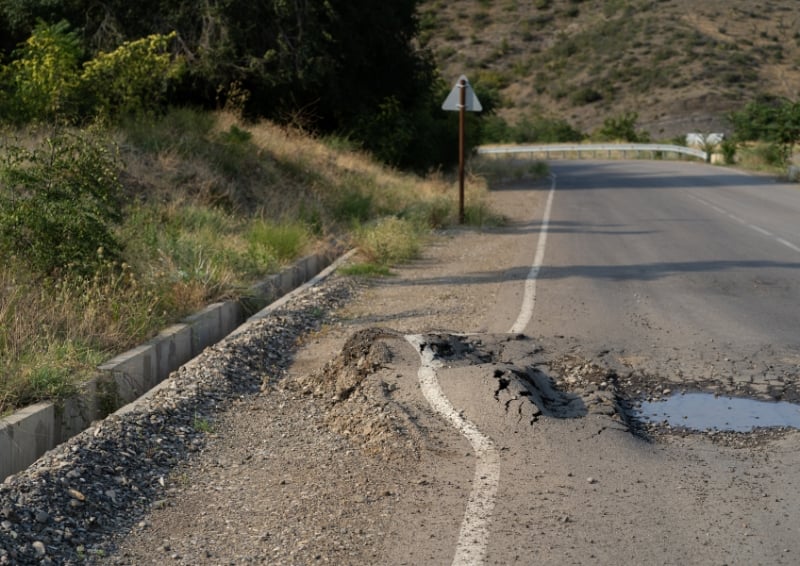
This summer’s heatwaves have been ones for the record books in Wales.
Hawarden in Flintshire experienced 35.1°C in June, confirmed as the highest temperature on record for June in the country.
The heat continued, and we went on to have the driest July in 190 years.
These extremes have once again highlighted the growing pressures that our infrastructure must withstand, not least our highways.
From potholes developing after typical wet/cold winters to roads softening and binders bleeding during periods of extreme heat, these challenges are becoming increasingly familiar.
This raises an important question: are our highway specifications still fit for purpose in a changing climate?
For decades, road materials in the UK have been designed to perform within a relatively predictable climate, characterised by cool summers, frequent rainfall and winter freeze-thaw cycles.
While these conditions remain, climate change is now introducing longer periods of high temperatures alongside the wet, cold winters that continue to shape the performance of our road network.
One image illustrates this challenge particularly well: winter maintenance vehicles spreading grit/sand on roads where binders had bled during the summer's heatwave.
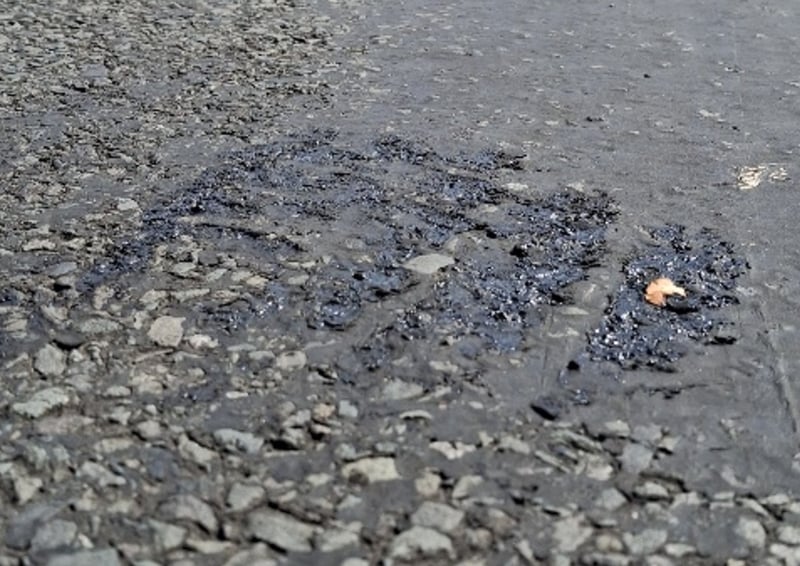
For Wales, this presents a particular challenge.
Our highway network is varied. It ranges from heavily trafficked strategic routes around the South Wales M4 corridor and the A55 in North Wales, to rural and coastal roads moving through Mid and North Wales. Here, weather conditions can vary significantly over a very short distance.
As a result, our specifications must perform across a wide range of changing environmental conditions throughout the year.
Countries with much warmer climates routinely use binders and asphalt mixtures designed to withstand prolonged periods of high temperatures and resist rutting (long, narrow cracks that form along wheel paths).
Those in southern Europe and the Middle East experience road temperatures regularly up to 70°C, and with no sign of bitumen (the binder in asphalt) failure.
UK roads start failing when temperatures reach 50°C (note: this is road temperature and not air temperature).
There are undoubtedly lessons that can be learned from these approaches.
However, Welsh roads must also remain resilient during freezing conditions, prolonged rainfall and repeated freeze-thaw cycles, while continuing to provide high levels of skid resistance and durability.
The answer is unlikely to be the simple adoption of specifications developed for hotter climates.
Instead, the challenge is to develop resilient specifications capable of delivering reliable performance throughout the year.
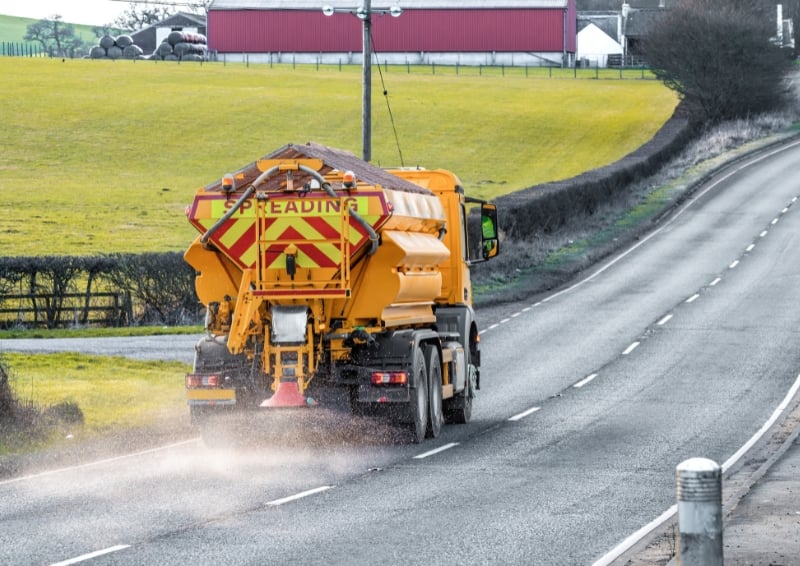
Surface treatments remain one of the most effective tools available to highway authorities.
When applied at the right time, they extend pavement life, seal the surface against water, improve skid resistance and provide excellent value through preventative maintenance.
As our climate continues to evolve, however, it’s appropriate to ask whether the binders we’re using, how often we apply them and what performance we measure are still fit for the future.
For Wales, where every investment in highway maintenance must deliver maximum value (particularly in view of the prospect of funding being diverted to the defence budget), this discussion is becoming increasingly important.
Future specifications should balance resilience, safety, sustainability and whole-life cost, ensuring that our roads continue to perform under a wider range of climate conditions.
The recent heatwaves shouldn’t simply be viewed as isolated weather events.
Rather, they should prompt discussion across our industry about whether our materials, specifications and maintenance strategies are evolving quickly enough to meet the challenges of a changing climate.
As highway engineers, we have continually adapted our standards to reflect advances in materials, technology and engineering knowledge.
Climate change presents another opportunity to ensure that our specifications continue to deliver safe, resilient and sustainable highway infrastructure.
The question is whether we’re evolving quickly enough.


Good decisions made at speed can lead the industry down unintended paths, writes Steven Yule, ICE country representative for the UAE.

The annual award celebrates outstanding ideas, research and best practice.

The ICE breaks down the headline announcements from five of the major UK parties.