





The UK is ill-prepared for the weather extremes it's already facing. In its latest advice to the government, the Climate Change Committee (CCC) explains why it doesn't have to stay that way.
The UK faces growing risks from climate change – but the solutions are well-understood and affordable.
That’s a key message from the Climate Change Committee’s (CCC) latest independent advice to the UK government.
The report will inform the government’s fourth Climate Change Risk Assessment, due next year, and its next national adaptation plan.
Here are the key takeaways for infrastructure.
1. The risks are growing, but the solutions exist
The outlook for the UK from climate change is now worse than it was five years ago.
The country is ill-prepared for the weather extremes already happening:
- Last year was the UK’s hottest on record, leading to its most destructive wildfire season.
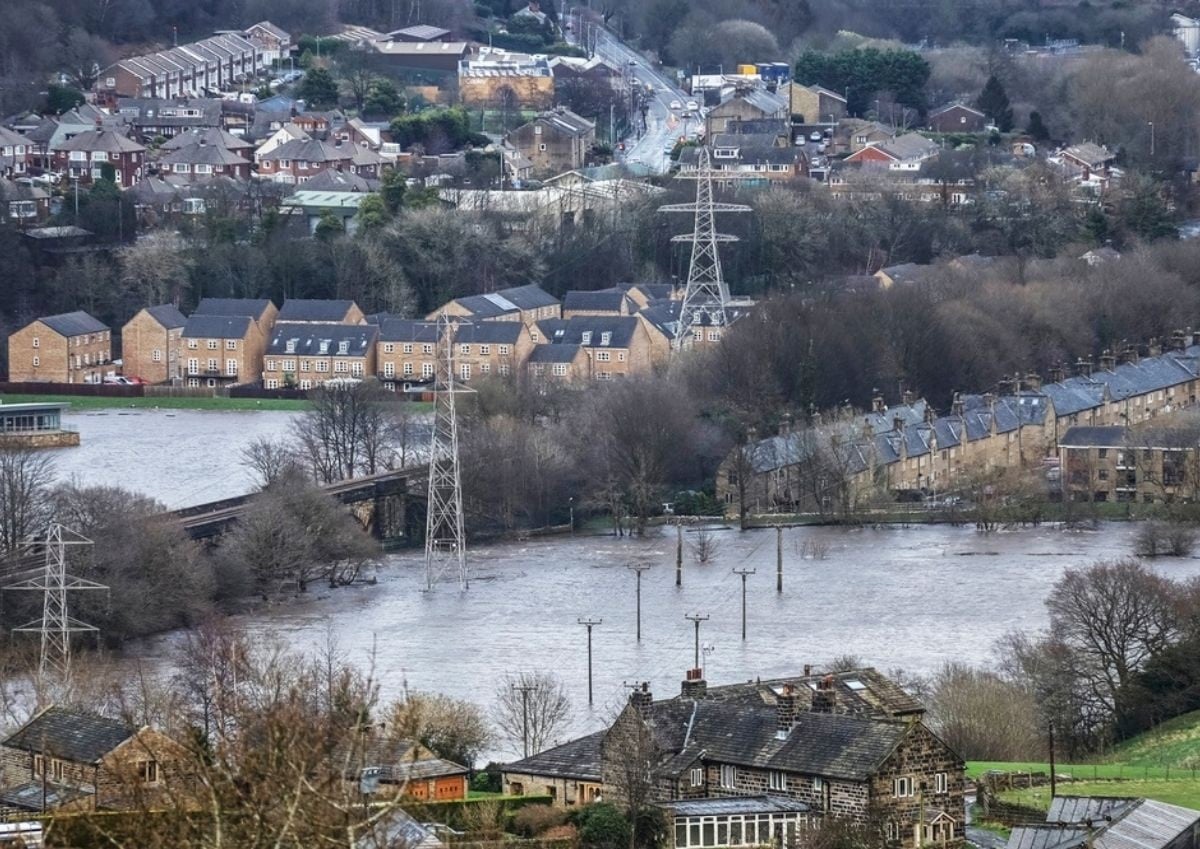
- The winter of 2023/24 was the wettest recorded, with thousands of people displaced by flooding.
Even greater extremes are expected in the coming decades. But the damage they might cause isn’t inevitable.
A well-adapted UK is “achievable”.
Proven and cost-effective solutions to prepare for 2°C of global warming by 2050 exist – the challenge is deploying them at pace and scale.
Climate mitigation needs to step up
However, worldwide emissions reductions to limit global warming also need to happen much faster.
Otherwise, the risks may go past the point where countries can protect themselves through adaptation.
Reaching 4°C above preindustrial levels by the end of the century cannot yet be ruled out.
Avoiding that scenario is a global challenge. But it’s an important message for policymakers in the UK, where the political consensus on climate action is splintering.
2. Acting now will cost less
The good news is that the costs of adapting the UK are manageable.
The CCC estimates that investment of around £11 billion per year is necessary, roughly evenly split between the public and private sectors.
Acting today will be cheaper than waiting to deal with the consequences of inaction. Indeed, early investment should generate returns “in the tens of billions”.
The ICE is currently undertaking work on how to encourage more investment in adaptation by better understanding its economic value.
Priorities
The bulk of investment must go into three core areas:
- cooling to protect people from hotter summers, either passively from measures such as green spaces and shading, or active cooling from air conditioning
- flood preparedness, including ‘hard’ flood defences, nature-based solutions, and better maintenance of existing assets
- better water management, including more reservoirs, water transfer networks, and demand-side measures
For example, keeping the level of flood risk at today’s levels will require an increase of investment to between £1.6 and £2.2 billion a year up to 2050.
Last year, the chancellor announced £4.2 billion over three years to build and maintain flood defences across England.
3. Systems thinking about infrastructure
Systems thinking is at the heart of the report. Adaptation in one area can have benefits elsewhere.
But the flip side is the growing risks of cascading failures, where a single incident can rapidly escalate and impact other sectors.
The CCC highlights the need to act on the lessons from the North Hyde electrical substation fire that closed down Heathrow last year.
It wants the government to take a more structured approach to managing interdependencies, particularly for critical national infrastructure.
That includes more co-ordinated risk assessments between sectors, joint response planning, and setting clear responsibilities.
An opportunity
The government’s 10-year infrastructure strategy will mean huge investment in water, energy, and transport projects, many of which are already underway.
That creates a “critical window” for engineers to ensure those new assets are well-adapted.
The resilience standards promised by the government will be crucial to set consistent benchmarks and expectations.
4. Meaningful objectives and delivery plans
Leadership, increased ambition, and a stronger policy framework are needed to achieve a well-adapted UK.
The CCC recommends four steps:
- Establishing meaningful adaptation objectives, with clear targets and ownership.
- Creating delivery plans, backed by the resources needed to achieve them.
- Monitoring progress.
- Improving tools, methods, information, and skills on adaptation.
Households and businesses will also have to act by investing in adaptation measures and changing behaviours.
But the government must first create the right enabling environment, through incentives, regulation, standards, and information.
Much of this will need to happen by the next National Adaptation Plan, expected in 2028.
5. The public supports sensible adaptation measures
As part of this work, the CCC held a citizens’ panel to explore people’s concerns and priorities for climate action.
They found strong support for “a pragmatic programme of adaptation”.
People want to limit harm and disruption to levels no greater than now and understand the costs of going further.
They also want to see adaptation happening already and for it to be done “properly”, with long-lasting solutions.
Not every possible adaptation will be affordable.
The CCC recommends the government leads a serious public dialogue about the level of resilience people expect and their willingness to pay for it.
The ICE will be launching work later this year on how to meaningfully engage the public about infrastructure planning and delivery.
The ICE’s view
The CCC’s report is a stark warning that the risks to the UK public from climate change are already severe and will only get worse.
But it’s also a reminder that a well-adapted UK that can manage them is within reach.
There’s still a lot of work for policymakers to make that happen. The next national adaptation plan will be critical for addressing the failures of the current one.
Engineers also have a crucial role to play as they work to deliver the 10-year infrastructure strategy.
The collective pace of action must speed up. Through our upcoming projects on the economics of adaptation and public engagement, the ICE will be working to help ensure that happens.

Sustainable Development Goals:
You may also be interested in

- Type
- Infrastructure blog
How much is climate resilience truly worth?
A new ICE report calls for a review into the value of infrastructure adaptation and climate resilience in order to boost investment.

- Type
- Infrastructure blog
CCC report shows it’s time to supercharge the UK’s electrification ambitions
The UK must speed up the electrification of transport, homes, and industry to reap the benefits of reducing emissions.

- Type
- Infrastructure blog
Mike Reader MP: the UK's Seventh Carbon Budget is an anti-poverty measure
The transition to net zero will lower costs, create jobs, and drive growth, writes the chair of the All-Party Parliamentary Group on Infrastructure.