


Year
Estimated 1,180-1,200Duration
UnknownCost
UnknownLocation
NorwayProject achievements
Used engineering skill
Survived for over 800 years thanks to expert medieval timber engineering
Conservation
Preserves remarkable original details, from dragon‑head carvings to runic inscriptions
Economy boosted
One of Norway’s most visited historic buildings, drawing tourists from around the world
Build a timber structure that can withstand centuries
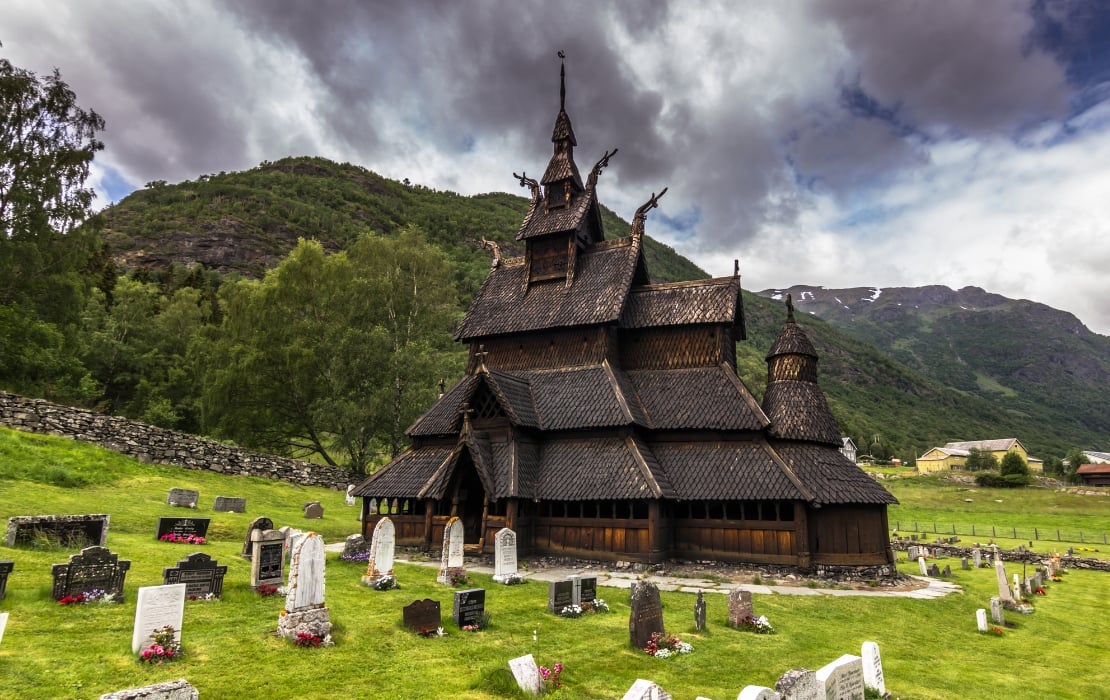
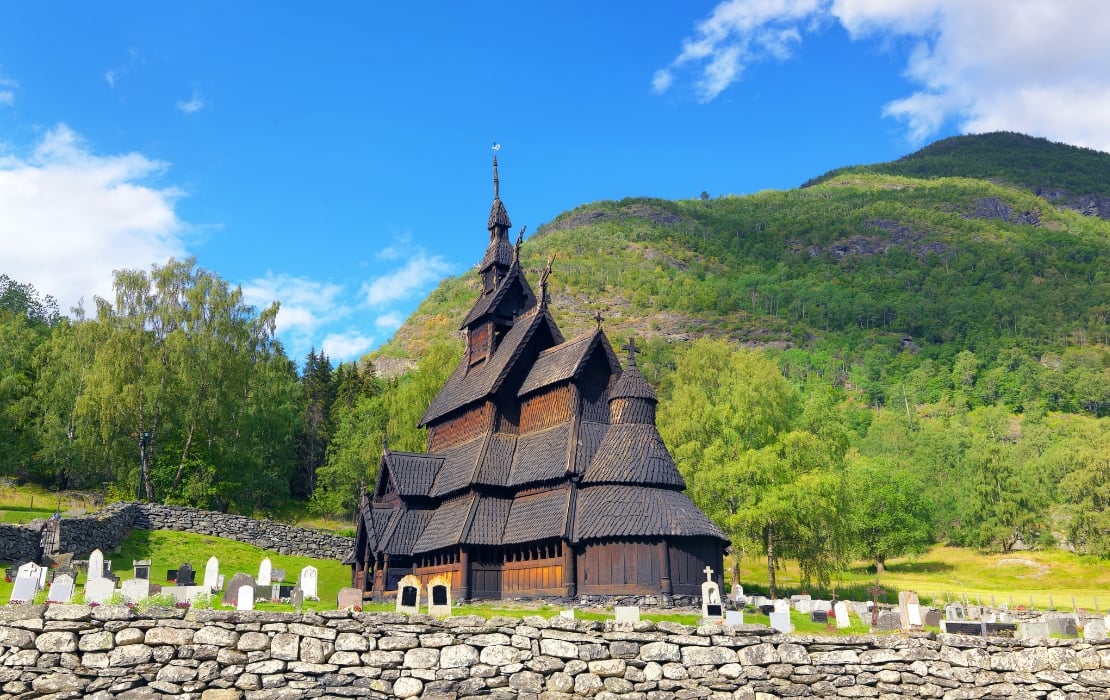
Borgund Stave Church is one of Norway’s best preserved medieval wooden structures and an outstanding example of early Scandinavian engineering.
Built around 1180-1200 in Borgund, Lærdal, it showcases skilled timber construction and marks Norway’s transition from Viking‑era beliefs to Christianity.
Today, the church is no longer an active parish building but a protected heritage site and museum.
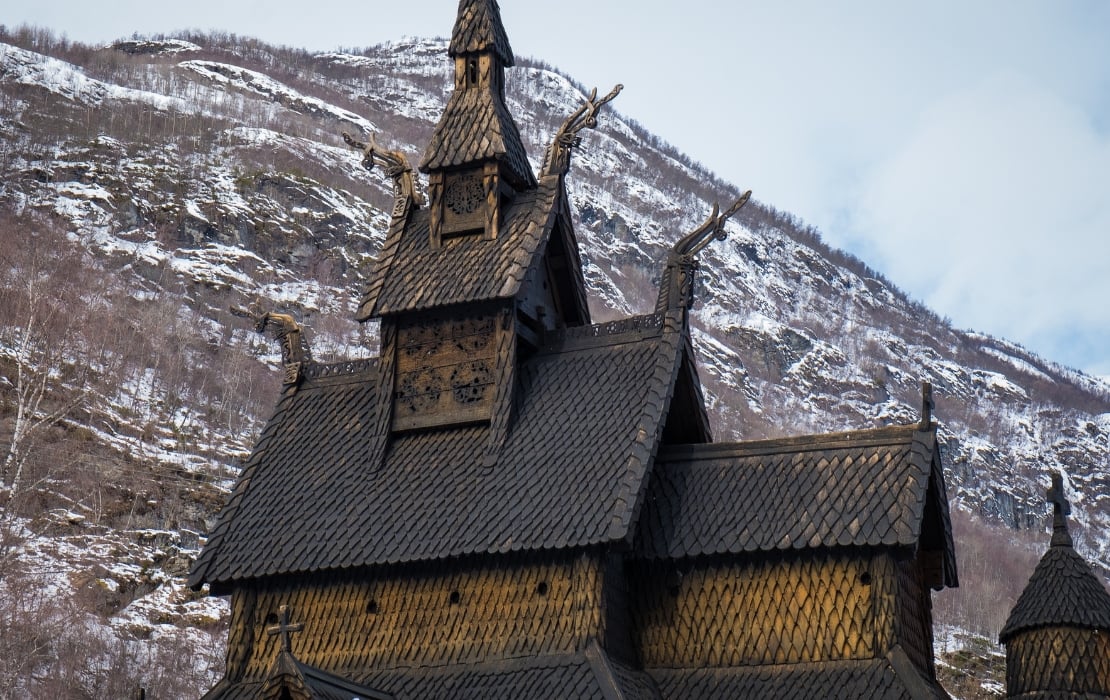
It’s admired for its state of preservation, dramatic multi-tiered roof, carved dragon heads, and unique stave (post-and-beam) structure.
It’s one of the most visited historic buildings in Norway.
Did you know …
-
The church was built using more than 11,000 wooden nails instead of metal ones.
-
It contains medieval runic graffiti, including one carving signed by a man named Þórir.
-
Dragon‑head carvings sit on its rooftops to help ward off evil spirits.
History
Borgund Stave Church was constructed during the late 12th century, a period when Christianity was spreading across Norway and replacing Viking Pagan traditions.
The church sits along the historic King’s Road (Kongevegen) and near the Sognefjord (a sea inlet) – a landscape that shaped travel, trade, and early Christian missionary routes throughout the Middle Ages.
The build of churches like this reflects this cultural shift: Christian beliefs expressed through architectural forms that still carry traces of Norse symbolism, including dragon-head carvings and protective motifs.
The church served as the parish centre until 1868, when a new church was built nearby.
Borgund was then preserved as a historic monument and eventually converted into a museum maintained by the Society of Preserving Ancient Norwegian Monuments.
Design and construction
Borgund’s iconic design comes from its stave-built timber frame. This is where vertical wooden posts (staves) rise from ground sills (horizontal beams) resting on a stone foundation.
These interlocking components create a rigid, durable structure capable of withstanding centuries of harsh weather.
Key engineering features include:
- Triple nave Sogn type layout – a layout with a taller central hall and smaller side sections built around it.
- Multi tiered, steeply pitched roofs, designed to shed heavy snow and rain - a vital adaptation to Norway’s climate.
- Outer and inner ambulatories – covered walkways forming sheltered paths around the church.
- Detailed carvings including dragons, woven patterns, and runic inscriptions - some blending Christian and Norse imagery.
- Protective tar coatings, which have helped the wooden surfaces survive over 800 years.
Construction techniques
Recent research reveals the church used more than 11,000 wooden nails rather than metal ones.
This shows a sophisticated knowledge of material behaviour and long-term durability.
Wooden nails expand and contract at the same rate as the surrounding timber, reducing the risk of cracking or loosening over time - something that metal nails wouldn’t do in Norway’s cold, wet climate.
It also reflects an understanding that wooden fasteners resist rot when coated in tar and don’t corrode like metal, helping the structure remain stable for centuries.
Structural analyses also show that the building was assembled piece by piece, with columns and beams added individually rather than entire wall sections being lifted into place.
Some elements reflect Viking shipbuilding techniques, including arched braces and reinforcement.
Cultural significance
Borgund is not only an architectural marvel, but a cultural artefact.
It holds some of the best-preserved runic inscriptions of any stave church, including one attributed to a man named Þórir.
Local folklore also surrounds the church. One of the best known stories is that of the “Borgund Madonna”, a once revered painting said to possess healing powers.
The legend reflects how medieval communities gave sacred objects a spiritual meaning, blending formal Christian belief with local superstition.
Though the painting itself isn’t a central artefact today, the story remains part of the church’s enduring cultural aura.
Preservation
As one of the finest and most intact stave churches in Norway, Borgund is a cornerstone of the country’s heritage preservation efforts.
It's automatically protected under Norway’s cultural heritage laws and maintained through ongoing conservation, monitoring of timber integrity, and careful management of visitor access.
The site also includes Norway’s only surviving free-standing stave-built bell tower, adding to its architectural uniqueness.
Why it matters
Like major modern infrastructure projects, Borgund Stave Church demonstrates how engineering solutions reflect geography, climate, available materials, and cultural identity.
Its survival for more than eight centuries showcases the durability of traditional timber engineering and offers valuable insights into medieval construction methods that still inspire designers today.