

Year
2029-2034Duration
5 yearsCost
£1.2bnLocation
EnglandProject achievements
Solved the problem
Creating a new, sustainable water supply for the county
Environment benefitted
The project will mean less water is taken from rare chalk streams
Used engineering skill
Will use advanced water treatment techniques to enable recycling
Tackling the water scarcity challenge in south-east England
The Hampshire Water Transfer and Water Recycling Project is a key part of Southern Water’s response to the challenge of water scarcity in Hampshire, on the south coast.
The company is developing a number of new sources and pipelines to create a new, sustainable supply of water that will help keep the county’s taps and rivers flowing.
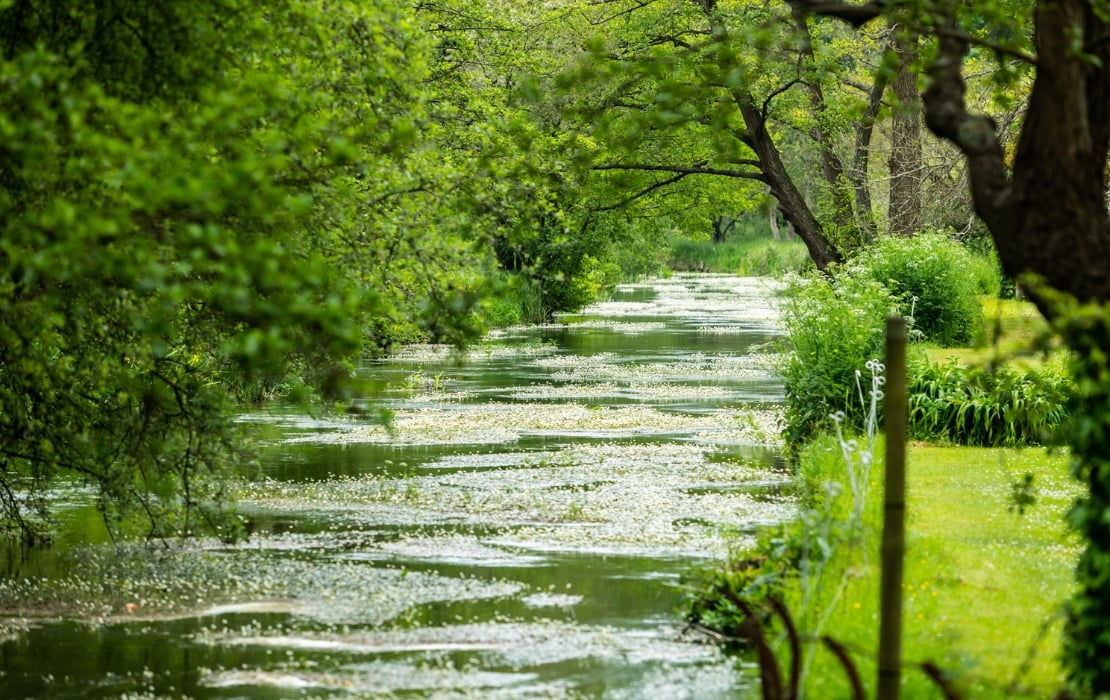
The project is needed because, currently, most of the water it supplies in Hampshire comes from two of the county’s rare and sensitive chalk streams – the River Test and River Itchen.
These delicate ecosystems are home to a wide variety of plant and animal life and are such rare habitats that they are often described as “our rainforests”. In fact, the UK is home to 85% of the world’s chalk streams, which are rivers fed by underground chalk aquifers.
To protect the rivers, the Environment Agency has directed Southern Water to significantly reduce how much water it takes from the Test and Itchen during a drought.
This has driven the need for new sources and a renewed focus on using water wisely.
Did you know …
-
Although relatively new to the UK – water recycling has been widely used around the world for more than 40 years.
-
The project will use reverse osmosis – where membranes with tiny holes more than 50,000 times narrower than the width of a human hair will filter out dissolved impurities in the water.
-
Some of the tunnels being dug for the new pipelines will be up to 80 metres below the ground.
An urgent need for sustainable water supplies
The challenge of water scarcity is very real.
The Environment Agency has identified that by 2055, almost 5 billion extra litres of water a day will be required to maintain public water supplies in England.
A further one billion will be needed for industry and agriculture.
More than half that need is in the South East.
In Hampshire, Southern Water faces a shortfall of around 200 million litres of water a day during a drought.
As a result, the company is developing measures to close this gap, including reducing leakage by 53% by 2050, improving water efficiency and creating new sources of water.
The largest of these new sources is the Hampshire Water Transfer and Water Recycling Project, for which it plans to submit a Development Consent Order application in 2026.
Water recycling
The project includes:
- Building a water recycling plant to take some of the highly treated wastewater that would otherwise be released to sea and turn it into purified recycled water.
- Transferring the purified recycled water to the reservoir ahead of, and during, a drought.
- Building a new 40km pipeline to transport water from the reservoir to be treated to drinking water standards at Otterbourne Water Supply Works.
Water recycling uses advanced treatment techniques to turn treated wastewater into purified water that can be used as a source for drinking supplies.
The process includes reverse osmosis, where dissolved impurities are removed by membranes with holes more than 50,000 times smaller than the width of a human hair.
The technology is used around the world in Australia, Singapore and the USA.
The Hampshire Water Transfer and Water Recycling Project will also enable the Havant Thicket Reservoir.
The reservoir would provide an extra 90 million litres of water a day (making a total of 111 million litres) during a drought.
That means 111 million litres more water will be left in the environment in Hampshire during a drought – when nature needs it most.
Project milestones
Public consultations were held in 2022, 2024 and 2025
A Development Consent Order application will be submitted in 2026
Construction is expected to start
Plant to become operational
Engineering skills used in the project
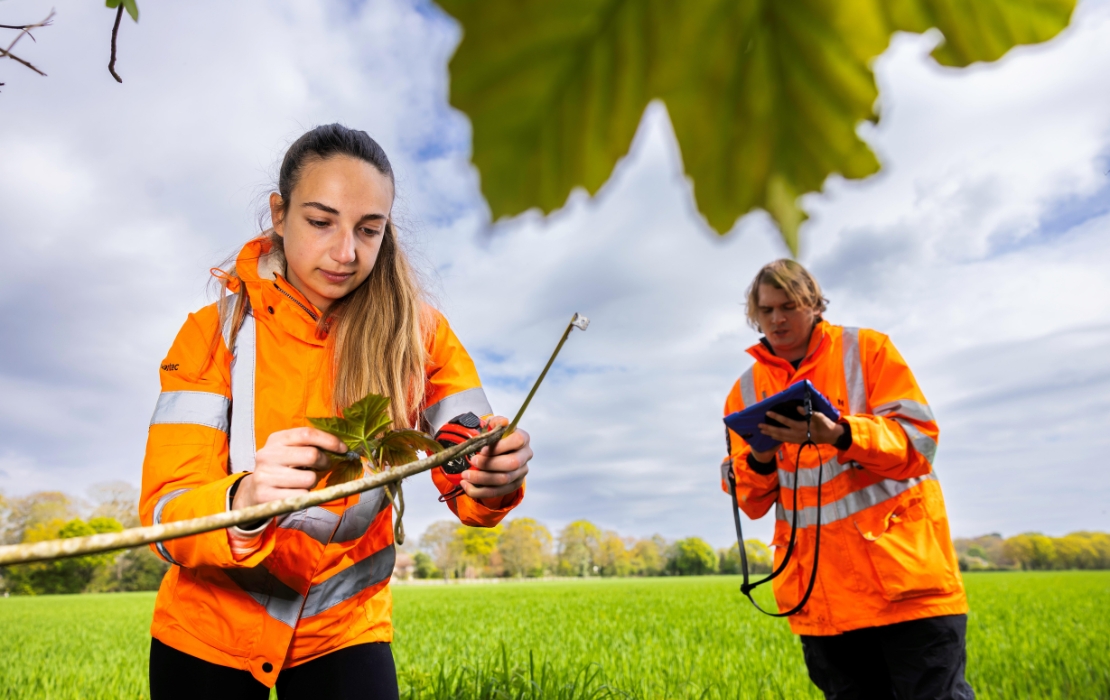
A multi-disciplinary team including numerous specialist contractors are working on the project.
These include experts in ecology, geology, planning, water quality, project management, procurement and communications.
More about this project
Find out more at www.hampshirewtwrp.co.uk