

Year
2024Duration
9 monthsCost
£440,000Location
United KingdomProject achievements
Environment benefitted
Over 1,000 white-clawed crayfish and 114 live fish were safely moved during the works
Conservation
Replaced deteriorating joints across six culverts within the reservoir
Solved the problem
The repairs mean the reservoir will continue to reduce flood risk to over 1,000 properties
Protecting native species while ensuring reservoir safety
In February 2024, a Measure in the Interest of Safety (MIOS) was raised at the Mitford Flood Storage Reservoir near Morpeth, Northumberland.
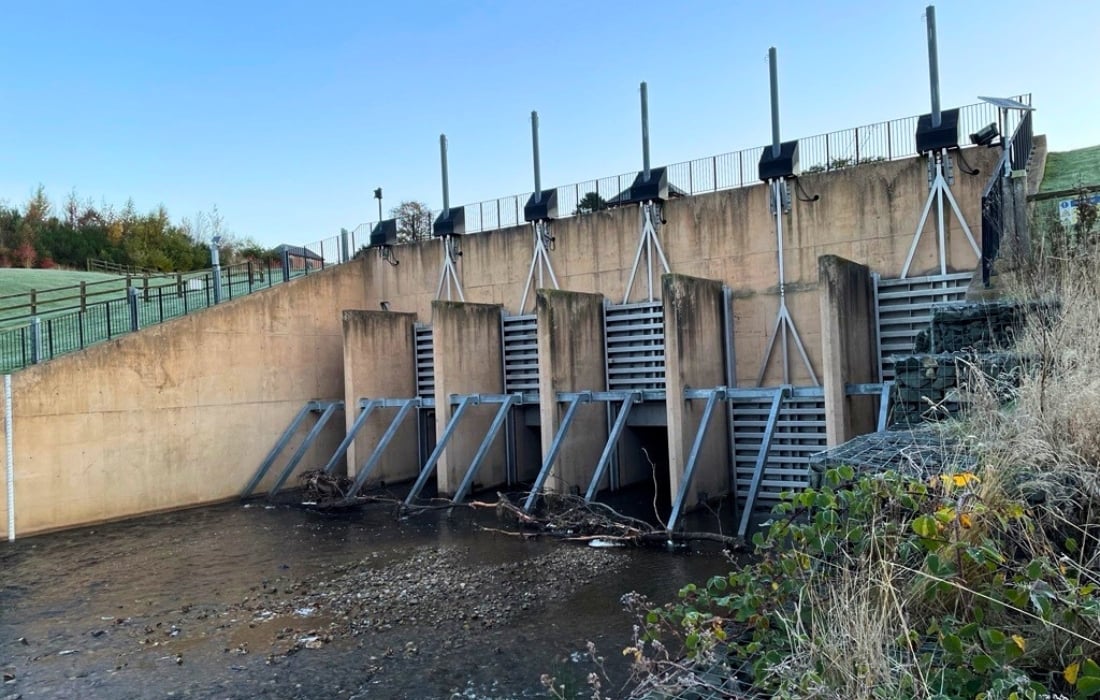
The reservoir stores up to 1.4million m3 of water to reduce flood risk to over 1,000 properties downstream of River Wansbeck.
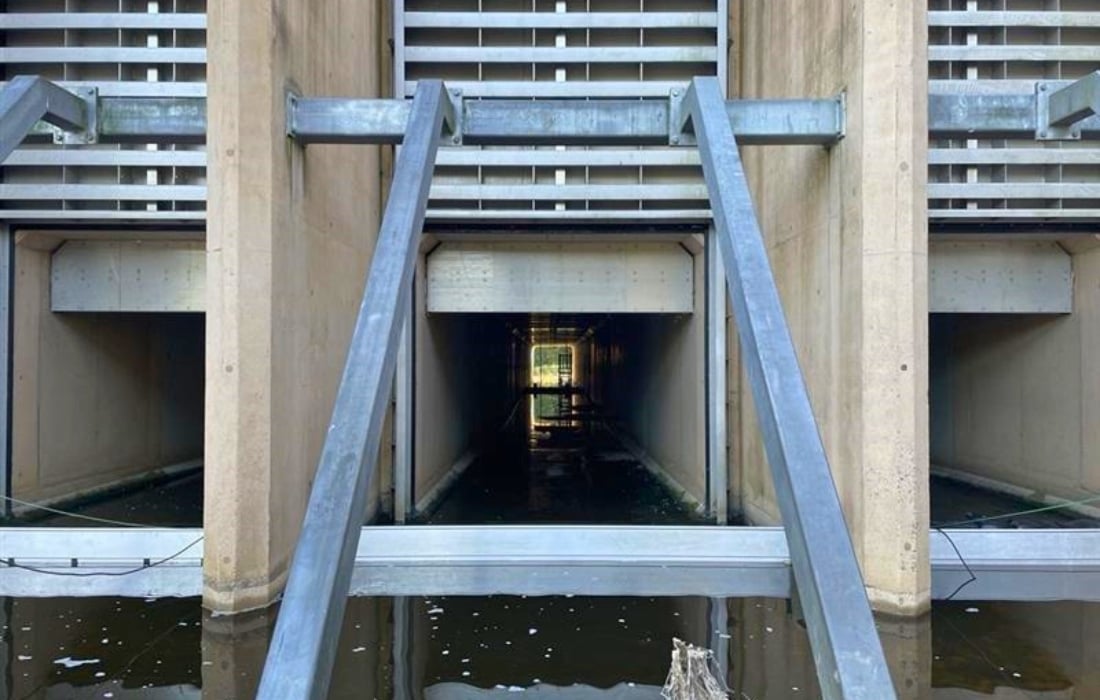
Flow is controlled through five 3m x 3m culverts with automatic penstocks (movable gates). There is also a smaller culvert for a fish and eel passage.
Each culvert is built up of 25 precast units with mastic joints between each unit. The joints prevent water escaping the culverts and causing damage to the earth-fill dam.
The inspecting engineer identified that some of the mastic joints had deteriorated and some had become debonded, meaning water might be able to get through.
The Environment Agency progressed the project at pace to meet the legally imposed 10-month deadline to replace the deteriorating joints.
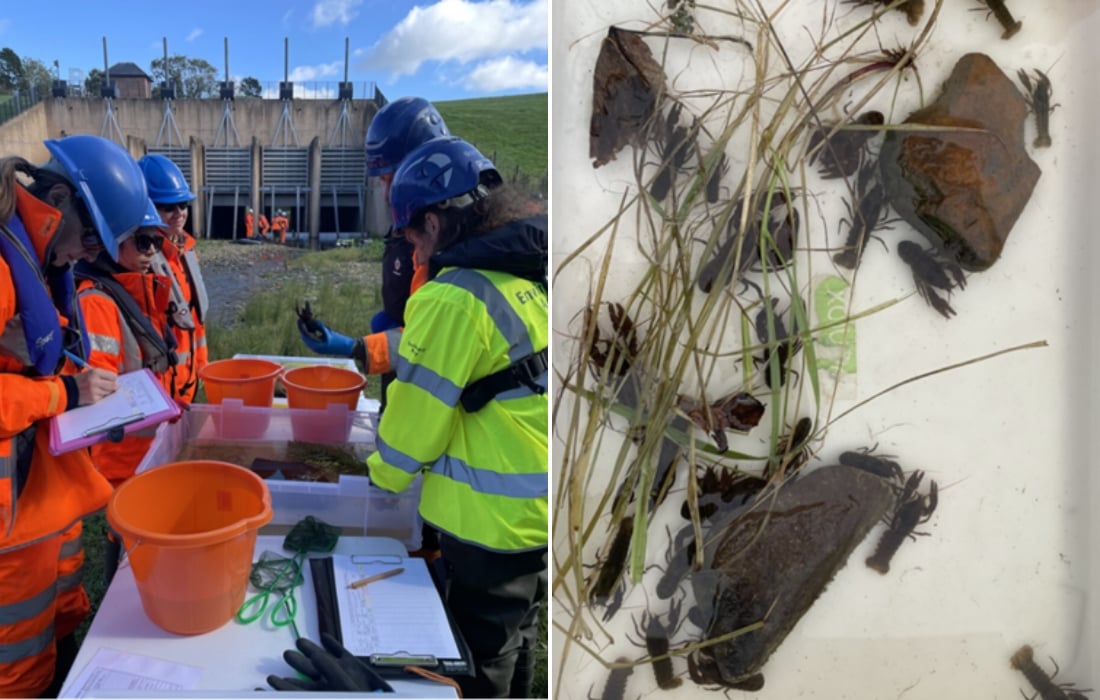
To achieve this, each culvert had to be dewatered to prevent pollution from construction materials. This meant a large-scale fish and crayfish rescue was needed to protect native species, including the white-clawed crayfish.
Did you know …
-
1,155 white-clawed crayfish, a species that appears on the International Union for Conservation of Nature (IUCN) Red List of threatened species, and 114 live fish were safely moved from the six culverts during the works.
-
Collaborative, partnership working was at the heart of the project, with specialist teams from the Environment Agency and framework partners carrying out the project at speed.
-
The reservoir stores up to 1.4 million cubic metres to reduce the risk of flooding to over 1,000 properties in Morpeth.
How the work was done
It was recognised early in the project that a rapidly curing sealant was required to repair the mastic joints.
This was important because it was difficult to keep the culverts dry and there was a risk that high river flows could flood the work area before the repairs had fully set. The product also needed to be non-toxic to the aquatic life present in such a sensitive stretch of the River Wansbeck.
The team also discovered that the joints between the precast culvert were no longer the uniform 20mm width from the original specification.
The box sections had settled since construction, so some joints had narrowed to 5mm while others had opened to 50mm.
To resolve this, the standard backing foam rod (a flexible foam cord that is pushed into a joint before sealant is applied) was carefully braided and manipulated to fill the joints onsite.
Keeping nature safe
Before starting work onsite, the project team applied for a Flood Risk Activity Permit to ensure the temporary works (coffer dams and access towers) would not increase flood risk.
The team also applied for a license from Natural England to relocate crayfish outside of the usual summer period. This license would allow the work to continue into the autumn to meet the MIOS deadline.
The Environment Agency implemented strict biosecurity measures to prevent the spread of hazards including crayfish plague from other catchment areas.
This included a rigorous inspection and disinfection regime of pumps, materials for the coffer dams and all plant brought to site.
In total, 1,155 white-clawed crayfish were safely removed from the culverts including many breeding females, in addition to 114 live fish.
As a requirement of the license, a population check was carried out one year later, and found a good population of crayfish and fish still utilising the culverts, indicating no long-term adverse impacts from the works.
Working around the weather
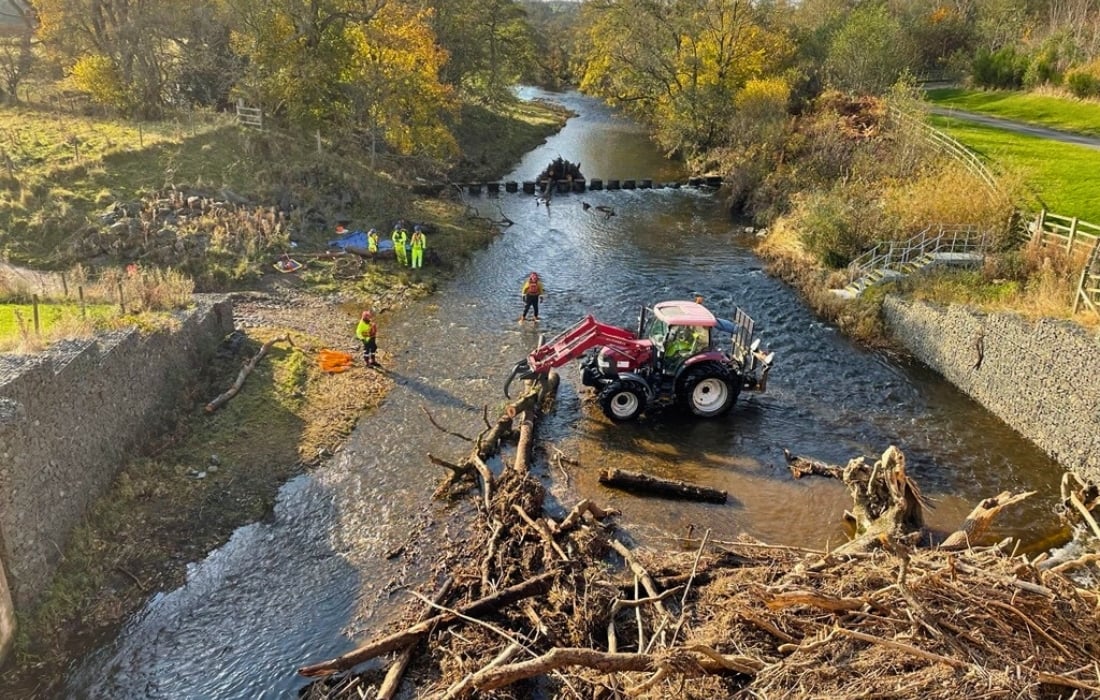
As the work progressed into the autumn period, the project experienced a number of high flow events that stopped work.
One of these events brought a substantial amount of debris onto the site which needed to be removed before work could restart.
The Environment Agency’s field operations team collaborated closely with BAM to clear this material as quickly as possible.
The project team obtained certification for the MIOS in November 2024 when the work completed.
The Environment Agency is planning a rolling programme of replacements for the remaining joints over the coming years to prevent water escaping the culverts.
This will offer continued flood protection for communities on the Wansbeck.
People who made it happen
- Environment Agency (client)
- BAM (principal contractor)
- Onsite (subcontractor)
- JBA (lead consultant)
- Mott Macdonald and Atkins (client support)
Engineering skills used on the project
- project management
- water engineering
- working in confined spaces
- environmental awareness