

Year
2025Duration
5 monthsCost
Less than £1mLocation
United KingdomProject achievements
Used engineering skill
Optimised the design to save time, money and carbon by using local knowledge
Environment benefitted
Reduced carbon emissions on the project through conscious designs and use of lower-carbon fuels
Solved the problem
Improved flood protection in the area for years to come
Saving time, money and carbon while upgrading flood protection infrastructure
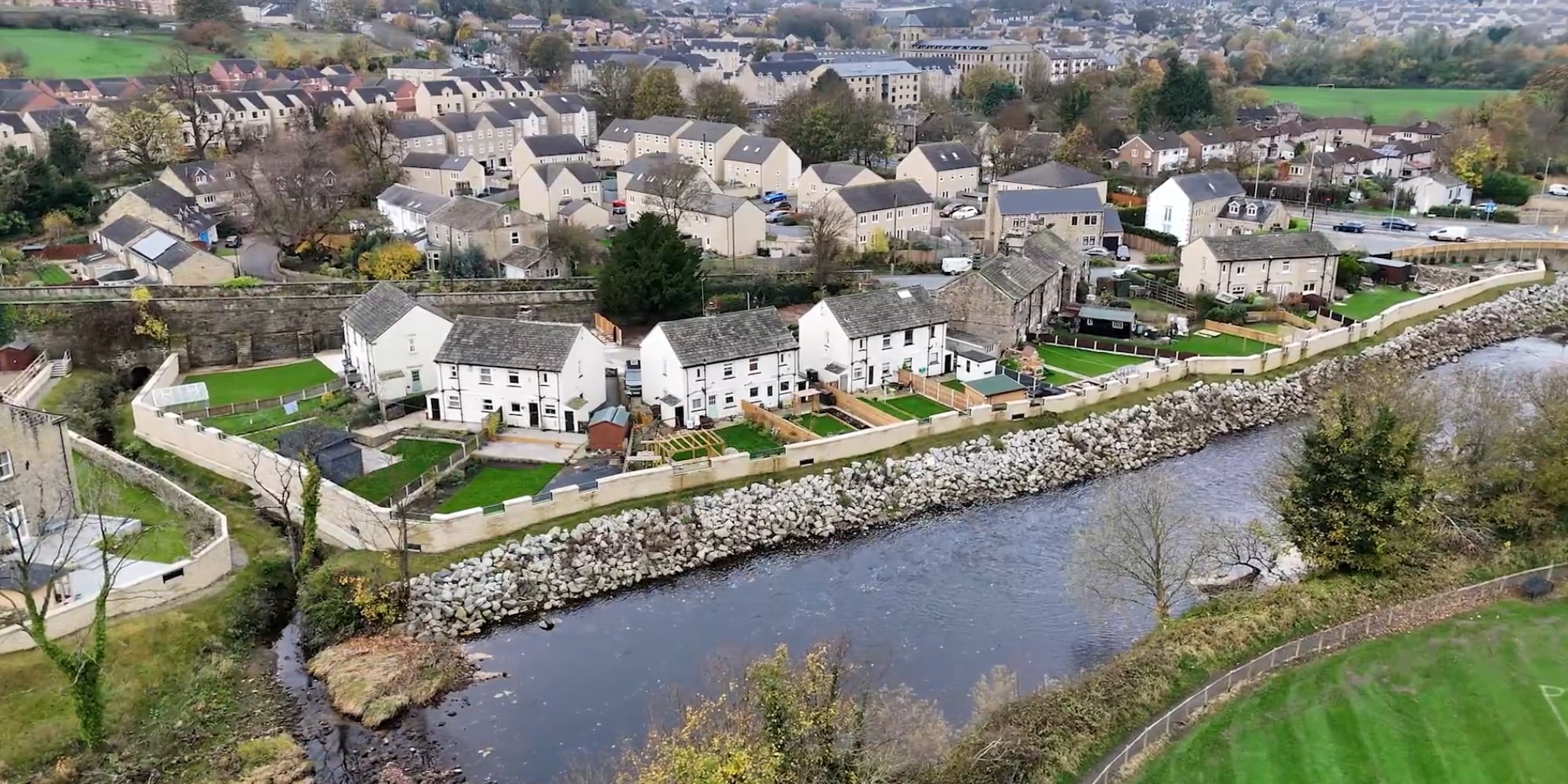
In 2025, the West Park Flood Alleviation Scheme set out to repair assets that are crucial to keeping over 89 homes and key local infrastructure safe from flooding in this area of Hartlepool, UK.
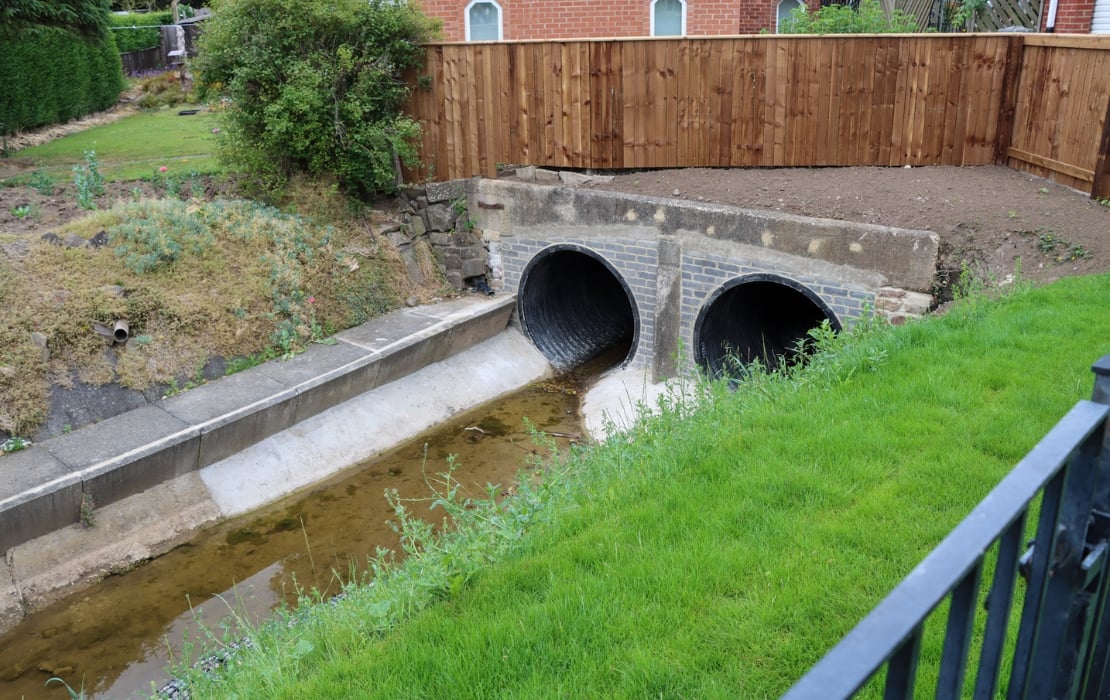
From grids, debris screens and culverts to replacing an access bridge, the scheme sought to improve the flow of the Tunstall Farm Beck (a stream that runs through West Park) and ensure these assets are fit for the future.
The project began in 2022, when funding was secured to investigate how well the area's flood defences were performing.
Engineers inspected the assets, using computer modelling to understand what flooding risks existed, not just from the local stream, but from the sewer network, too.
Initially, the plans were to repair the damaged culverts, replace a flood screen and install a new bridge. Old screens that were no longer needed were due to be removed and new, safer access to the watercourse would be created.
But when in 2024, Hartlepool Borough Council (HBC) and the Environment Agency (EA) looked at developing detailed designs for the work, they found improvements that would cut costs, construction times and carbon emissions.
These works, completed in about five months, led them to win the Small Project Award at the 2026 ICE Robert Stephenson Awards.
Did you know …
-
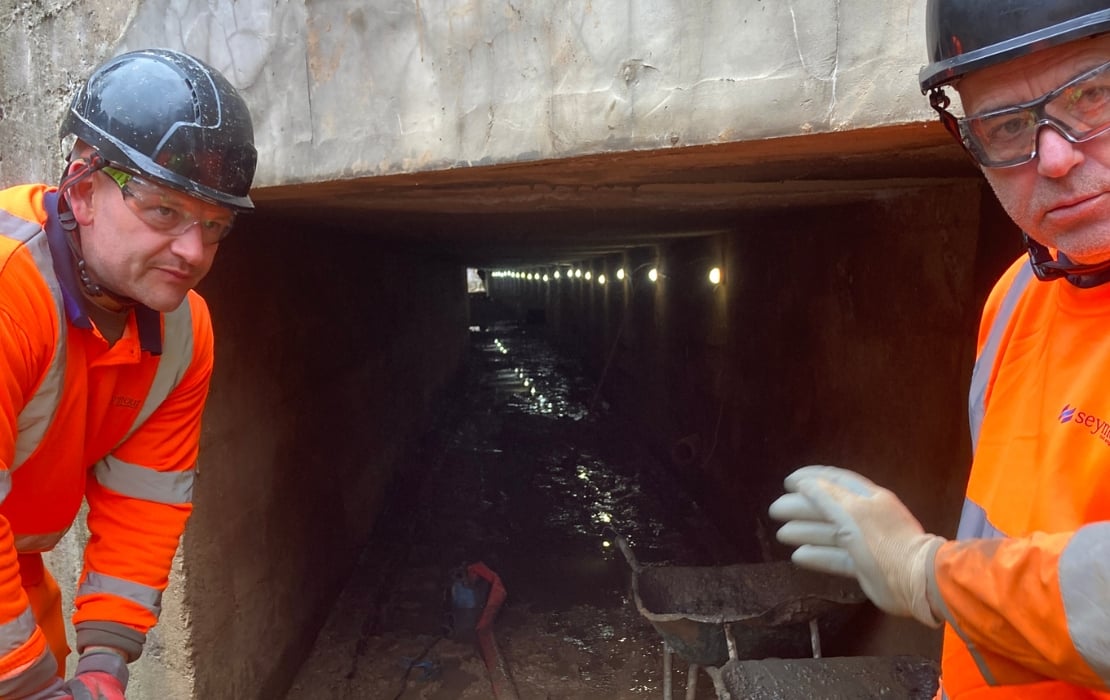
A confined space drone was flown through the culverts to check their route and condition beneath roads, public spaces and residents' gardens.
-
The culvert changed direction at a bend where it had been extended in the past. By ending the new pipes at this point, the team saved time and money.
-
The new access bridge gives maintenance teams access to the Tunstall Farm Beck flood storage area, which can hold around 16,000 cubic metres of water – enough to fill more than six Olympic-sized swimming pools.
How was the design improved?
Drawing on local knowledge and understanding of the supply chain, the HBC and EA team opted to:
- Adapt the flood screen to bring it up to standard with current guidelines (instead of replacing it).
- Rather than patch repair the culverts, design an innovative 'culvert within culvert' solution, where they installed new plastic pipes inside the existing structure, with the space around them filled with grout. This reduced how long operatives had to spend within the confined space of the culvert, significantly extended its lifetime and reduced future maintenance requirements.
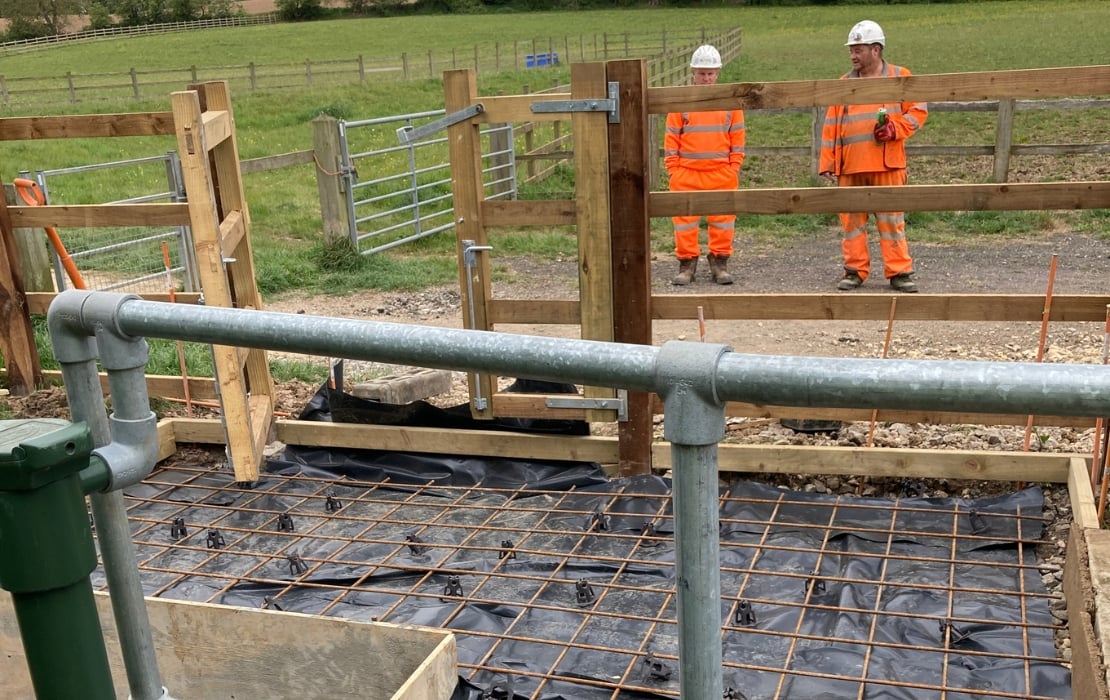
- Provide new access to the river by narrowing the existing road junction. This improved highway safety while offering new, safer steps to the river and parking for EA operatives.
How was the new design built?
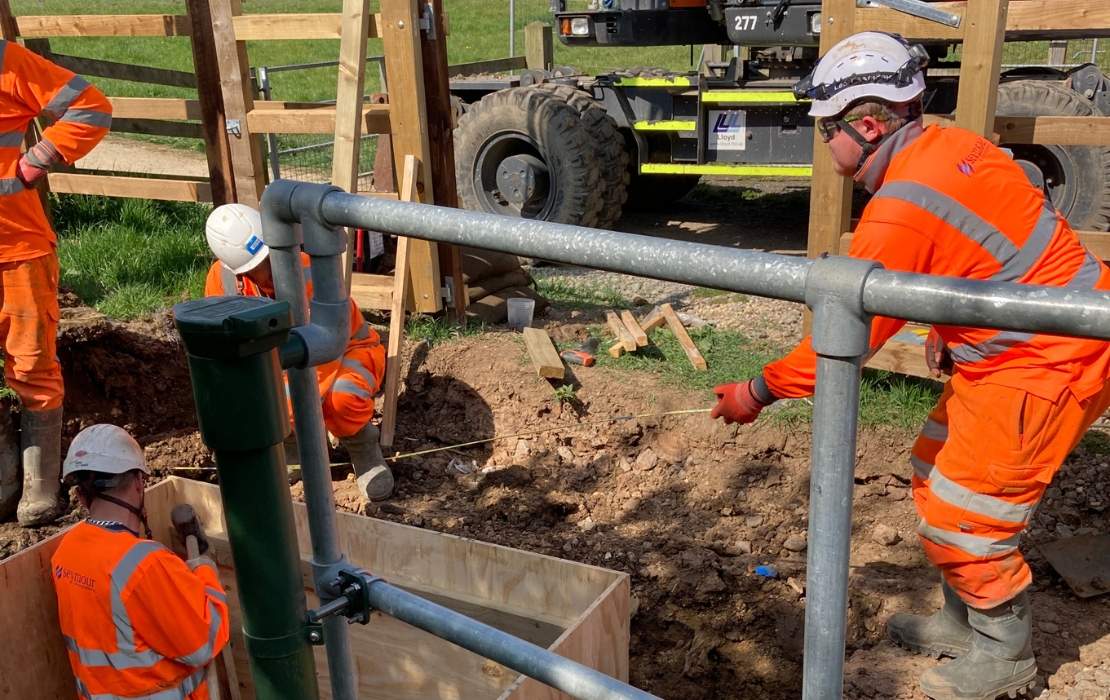
Following competitive tendering, local contractor Seymour Civil Engineering was appointed to carry out the work. Construction started in February 2025.
It presented several challenges, such as working in residents' gardens, operating within a live watercourse, facing restricted access and confined spaces, and finding unrecorded services, which meant there wasn't enough space for some of the pipes.
The project team quickly adapted the design to overcome these issues, and they selected the most suitable pipe size for the site.
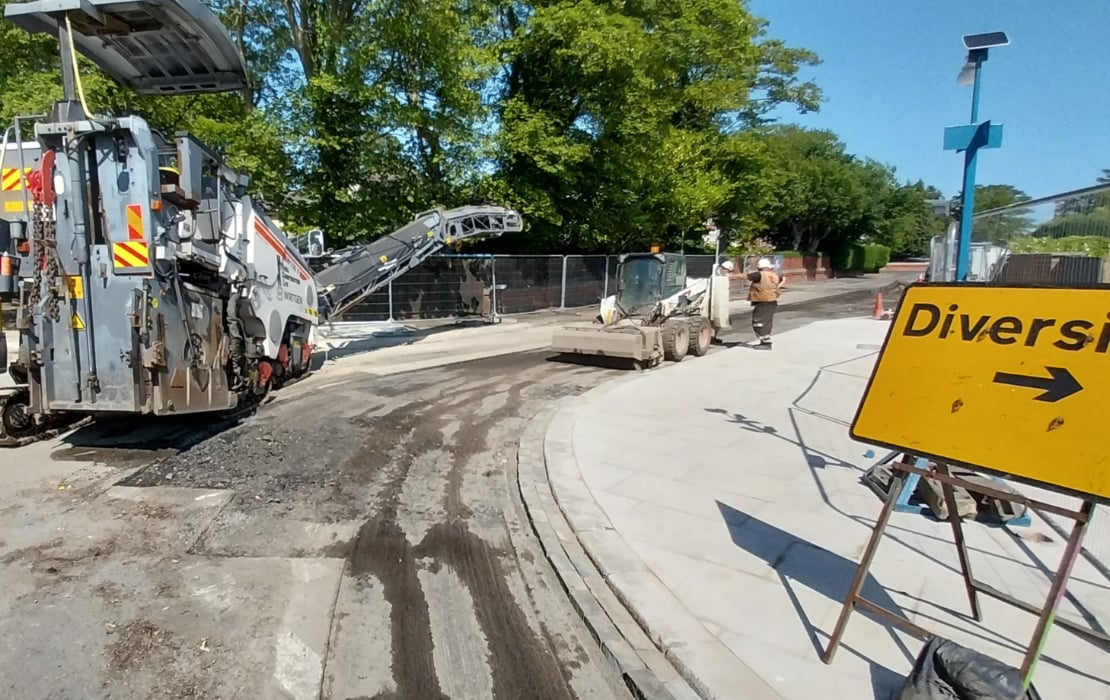
They also changed the construction method to minimise disruption. By carrying out more work within the channel itself, the team avoided major excavations and road closures.
This reduced inconvenience to residents, protected utility services, lowered the risk of blockages and increased the lifespan of the flood assets.
The project also had a strong sustainability focus.
The team used lower-carbon fuels and oils, as well as environmentally-friendly site facilities. Design decisions also helped to reduce overall carbon emissions.
They also carried out improvements in a local park and allotment, upgrading paths and other features, to provide wider community benefits.
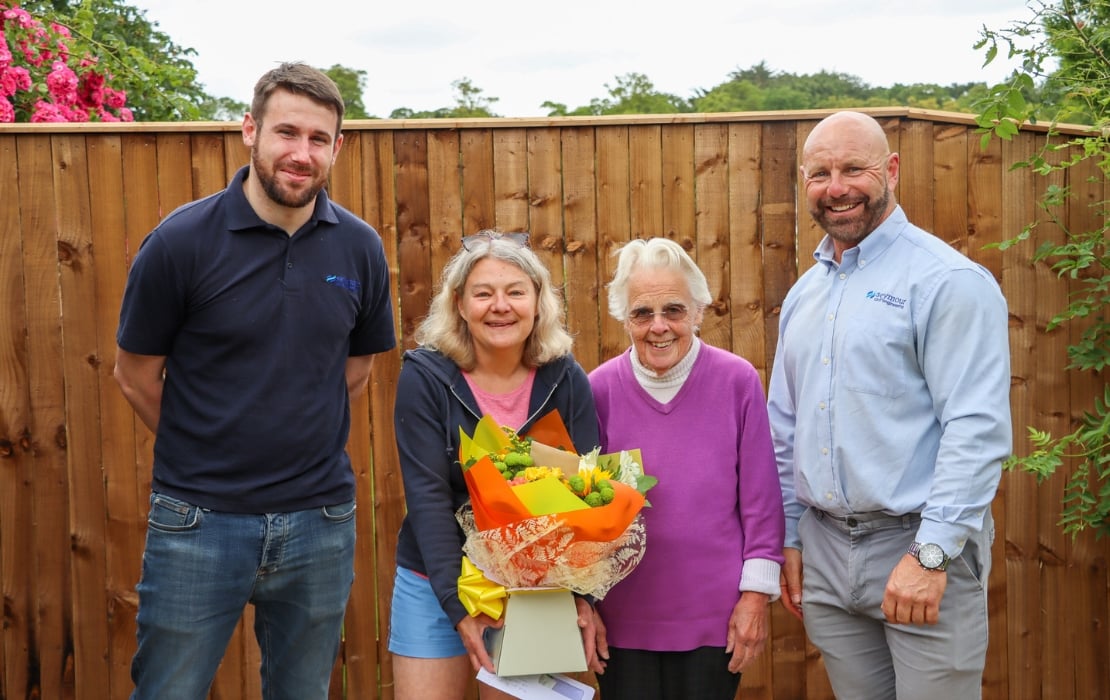
Throughout the project, residents were kept informed and involved, helping to build strong relationships and support for the work.
Construction was substantially completed in July 2025, providing improved flood protection for the local area and helping to safeguard homes and infrastructure for years to come.
People who made it happen
- Environment Agency (client)
- Hartlepool Borough Council (partner and designer)
- Jacobs (designer)
- Seymour CEC (contractor)