






Liam Eagle
Engineer, Ward & Burke Construction
Expertise
Construction, Design, GeotechnicalLocation
LondonMy highlights
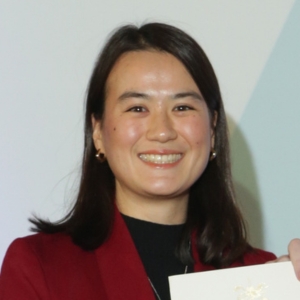
Winning the James Rennie Medal in 2026
Researching how yield surface evolves at high stress with Tufts University
Designing storm water tanks to improve river quality in north-west England
A day in my life
No two days are the same.
I might start the morning reviewing piling records onsite, checking that foundations are being driven to the right depth.
After lunch I’m back in the office running hydraulic models or designing a storm tank.
I spend a lot of time coordinating with clients, checking temporary works designs, and solving problems as they come up.
The variety is what keeps it interesting – one week I’m knee-deep in geotechnical data, the next I’m out onsite watching a tunnel drive break through.
You’re always learning.
I would recommend a career in civil or infrastructure engineering because every day is different, and you get to solve real problems that make a tangible difference to people’s lives.
You can see the things you’ve helped build which generates a lot of job satisfaction.
Which individual project or person inspired you to become a civil engineer?
I enjoyed my general engineering course at university and was encouraged to do a summer placement with my current company, Ward & Burke.
That gave me hands-on experience as a site engineer and I was hooked.
We asked Liam…
Name one civil or infrastructure engineering myth you’d like to bust.
That you need to be a specialist.
Being a generalist and understanding problems from first principles is often a very useful skill – and it keeps the job interesting because you’re always learning something new.
How does your role contribute to addressing climate change?
I recently implemented a detention tunnel design instead of a traditional detention tank, saving around 40% on embodied carbon.
The tunnel is neutrally buoyant, so it avoids the large concrete dead mass that a traditional tank needs to resist floating.
Decisions like this add up across a career.
How does your role contribute to making the industry more diverse and inclusive?
Diversity of thought makes for better engineering.
I think having visible role models in the profession really matters, and I try to reflect that in how I approach hiring.
What role does digital technology play in your job?
I use computational fluid dynamics (CFD) software, hydraulic modelling tools, and geotechnical analysis software daily.
I also manage a team of three CAD technicians who build digital twins of my projects.
Digital tools let us test and optimise designs before anything gets built onsite.
What motivated you to become professionally qualified?
I wanted formal recognition of my competence and to demonstrate a commitment to professional standards.
It also opens doors and gives you credibility with clients.
What does being professionally qualified with the ICE mean for your career?
It’s helped me to be taken seriously in client-facing situations and gives me confidence that my skills have been independently assessed against a high standard.
How did the ICE and your employer support you to become professionally qualified?
My employer supported me with time and mentoring. The ICE provided clear guidance on what was expected at each stage of the professional review process.
What do you value most about being an ICE member?
It’s given me access to a professional network and technical resources that have been genuinely useful in my day-to-day work.
Liam's career path
I studied a masters degree in engineering science at the University of Oxford from 2014 to 2018.
I then completed another masters, this time in environmental engineering at Tufts University (2019–2021), where I was a teaching and research assistant
I joined Ward & Burke Construction as a site engineer and progressed into a role spanning design, construction, and project management.
Major projects
As a site engineer, I worked on the Thames Tideway Tunnel at Putney, one of London's biggest infrastructure projects.
I've also been involved in the PROTOS energy from waste plant in Cheshire and the Royal Oak and Longsight Park Tunnel in Bolton.


Related Content

- Type
- ICE Community blog
What's the foundation of flood resilience? Information
ICE President David Porter explains why being informed about flood risk is so important for the public and civil and infrastructure engineers.

- Type
- Awards and competitions
It’s electrifying! South Wales Metro track transformation bags top award
The electrification of the Core Valley Lines impressed the judges at the 2026 British Construction and Infrastructure Awards.

- Type
- Civil Engineer blog
The long-term consequences of a really good idea
Good decisions made at speed can lead the industry down unintended paths, writes Steven Yule, ICE country representative for the UAE.