





As we celebrate a remarkable milestone for the institution, we honour the women that have laid the path for others to follow.
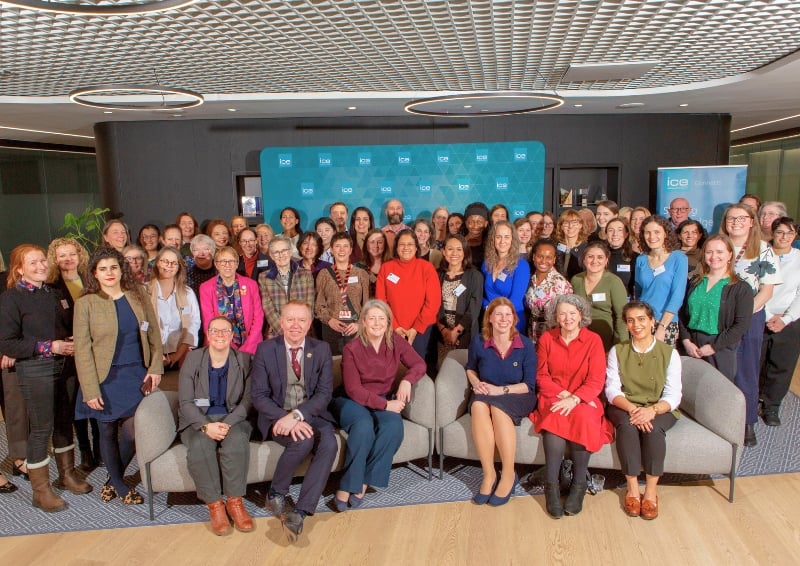
For Charlotte Woodhall-Jones, becoming an ICE Fellow was “a moment of being seen and validated”.
An experienced ground engineering leader, she’s among the cohort that took the ICE past a significant milestone: 500 female Fellows.
As the highest grade of ICE membership, Fellowship recognises outstanding contributions to civil engineering through technical expertise, leadership, and service to the profession.
The first woman to obtain the accolade achieved it in 1957.
“Being a woman in Fellowship today carries a meaning that is profoundly different from what it would have meant 70 years ago,” says Charlotte.
“Then, I imagine it would be more to challenge to societal norms, educational barriers, and institutional structures that were not designed to include women.
“Today, those barriers are less restrictive.”
While progress towards gender equality continues, the increasing number of women achieving Fellowship is helping to reshape perceptions of leadership, widen representation, and recognise the diversity of talent that already exists in the industry.
Join us as we map the history of female Fellowship, from the 1st to the 500th.
1957: the first female Fellow
In 1957, Mary Isolen Fergusson became the first woman to achieve ICE Fellowship.
Born at the start of the First World War, she built her career during a time when women faced significant barriers in education and employment.
In 1936, Mary became the first woman to graduate in civil engineering from the University of Edinburgh.
She later worked on major infrastructure projects across Scotland, including bridges, sewers and paper mills, despite experiencing discrimination and limited opportunities throughout her career.
Her Fellowship was a landmark achievement, demonstrating that women excel at the highest levels of the profession and paving the way for future generations.
The 1990s-2000s: reaching new heights
The launch of the Women into Science and Engineering (WISE) initiative in 1984 helped create new opportunities for women entering engineering and allow those already succeeding in the profession to be better recognised.
By the early 1990s, the ICE had only four female Fellows: Mary Isolen Fergusson, Marie Lindley, Helen Stone, and Joanna Kennedy.
Although women remained underrepresented in the industry, progress continued in driving the acknowledgement of the expertise of women in the profession and the institution.
In 1997, Dr Jean Venables became an ICE Fellow and, in 2008, was elected ICE President, making her the first woman to hold the office in the history of the institution.
2010s: a ladder through the glass ceiling
The 2010s brought greater focus on inclusion and representation. The Equality Act 2010, industry initiatives and programmes celebrating women in engineering all contributed to increased visibility.
Two years later, Trudy Morgan became the first African woman to attain ICE Fellowship. Through her work in Sierra Leone, including co-founding Sierra Leone Women in Engineering, she became a leading advocate for women in the profession.
After Trudy would come more women to trailblaze in their regions, such as Smita Sawdadkar becoming South Asia’s first female ICE Fellow in 2021.
Early 2020s: ICE Connects and a new idea of Fellowship
This period saw two new female ICE Presidents: Rachel Skinner, the youngest president in ICE history in 2020, and Anusha Shah, the first woman of colour to hold the role in 2023.
In 2021, ICE launched ICE Connects: Women in Fellowship, creating a network to support women pursuing Fellowship and highlighting the many different routes to achieving it.
The early decade also challenged traditional ideas of Fellowship.
In 2025, Carly Thorpe became a Fellow for her contribution to construction law, while Jane Wright and Rachel Piper became some of youngest-ever members to obtain the accolade, at just 27 and 28 years old!
2026: breaking 500
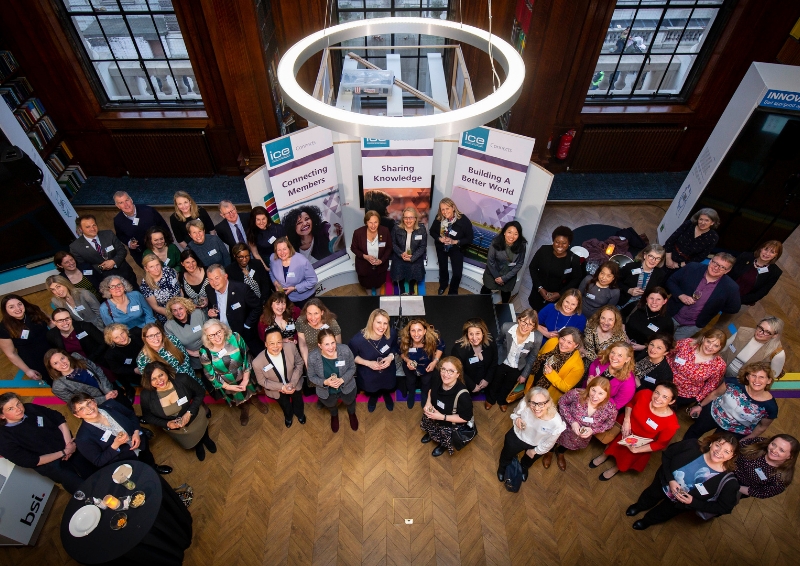
In early 2026, the ICE welcomed its 500th female Fellow.
More broadly, female representation at Fellowship level has increased from 5% to almost 10% since the ICE Connects network launched, demonstrating the impact of visibility, support and encouragement.
For these efforts, the campaign was shortlisted for the Women’s Network of the Year prize at the 2026 Inspiring Women in Construction & Engineering Awards.
Benefit from the trailblazing of those that came before you
“I live in an era where I have benefitted from the trailblazing undertaken by our industry’s firsts,” says Charlotte, reflecting on her achievement.
“Fellowship is (...) a symbol of visibility, representation, and belonging. It acknowledges not only technical excellence, but the resilience required to navigate a profession where women remain under represented in senior leadership.”
“I see it as my responsibility to continue to be vocal in my support to other women on their journey.”
“In sharing my experiences and lending my support to others, I hope to help make future pathways clearer than my own.”

Sustainable Development Goals:
You may also be interested in

- Type
- ICE Community blog
Beyond the model: how technicians turn ideas into buildable infrastructure
Ingrid Valceschini, associate director at Buro Happold, ICE Fellow and professional reviewer, reflects on how technicians contribute to successful project delivery and why the profession must continue to evolve.

- Type
- News
Nominations open for ICE president
Candidates who meet the requirements are invited to stand to represent the institution as a future president of the ICE.

- Type
- Civil Engineer blog
Linking data to value: 5 priorities from the ICG's data and digital benchmarking report
The Infrastructure Client Group's 2026 benchmarking survey shows progress, but greater focus is needed on value, data quality and delivery outcome.