





ICE Knowledge Hub
Access the very latest and best CPD content to help you grow your knowledge and skills.
Sign in now

Resilience is no longer a specialist concern. We all have a part to play, and the 2026 ICE Resilient Transport conference can help you find the solutions you'll need.
Keeping transport moving has never been straightforward, but the job is becoming even more complex.
Much of today’s infrastructure is ageing, weather patterns are becoming less predictable and changing travel habits are creating new pressures for the people responsible for our transport networks.
As a result, resilience is moving from a specialist concern to a central part of infrastructure planning and management.
Here are seven challenges that are shaping the future of transport resilience.
The future of transport resilience is being shaped today.
Join experts from Network Rail, National Highways, HS2 and Transport for London to learn how they're preparing for the changes ahead.
Much of the UK's transport infrastructure was built decades ago, based on weather conditions that looked very different from those we see today.
Assets that have supported the network for years are now having to cope with:
Replacing these assets isn't always realistic or affordable. Instead, organisations need to understand how changing weather conditions could affect their performance and reliability over time.
A key challenge is knowing where to focus investment. With limited budgets, it's important to identify which assets are becoming most vulnerable and where action will have the greatest impact on network resilience.
Transport operators are collecting more data than ever before.
Inspections, weather forecasts, remote sensors and monitoring systems all provide valuable information, while newer tools such as digital twins are helping organisations build a more complete picture of their networks.
The challenge is turning that information into action. Knowing that a bridge is beginning to deteriorate is useful, but only if you can understand the potential impact on services and how it compares with other risks across the network.
The same applies to weather data. A warning of intense rainfall becomes far more valuable when combined with information about drainage performance, earthworks, structures and the routes most likely to be affected.
The real value lies in bringing different sources of information together. When organisations can better understand where problems are developing and what the potential consequences might be, they are in a stronger position to prioritise maintenance, reduce disruption and plan ahead.
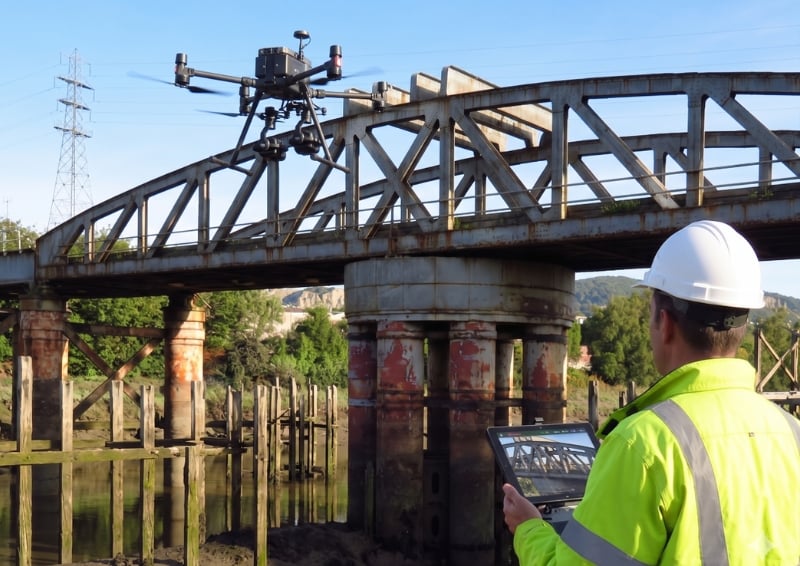
For many organisations, resilience still depends on inspections and fixing problems when they arise.
Increasingly, the focus is shifting towards spotting issues earlier, before they affect services.
This could include:
The earlier these issues are identified, the more options there are to address them.
In most cases, acting before a failure occurs is less disruptive, less expensive and much easier than dealing with the consequences afterwards.
Few organisations have the budget to do everything at once.
Focus is increasingly on finding solutions that improve resilience without creating additional costs further down the line. This could mean upgrading drainage to reduce the impact of extreme rainfall, or developing long-term adaptation plans that help avoid more expensive repairs in the future.
Looking beyond the initial price tag is important. Work that reduces maintenance, prevents disruption or extends the life of existing infrastructure can often deliver better value over time.
The most successful approaches are often those that provide multiple benefits, helping organisations improve reliability today while reducing future costs and risks.
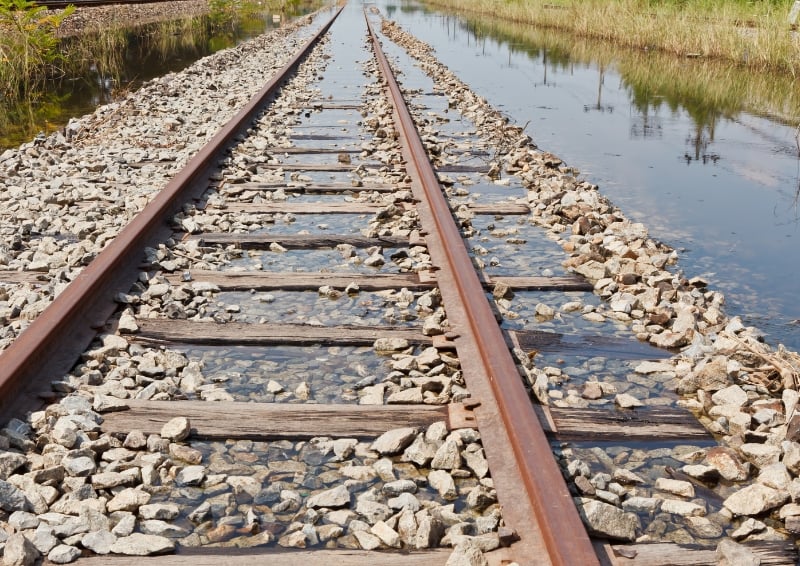
Flooding remains one of the biggest threats to transport infrastructure.
The consequences can extend far beyond the point of failure. A flooded road, bridge or stretch of railway can affect services across a much wider area, causing delays and disruption for passengers and operators alike.
Reducing this risk means understanding not just which assets are vulnerable, but how disruption could spread through the wider transport system.
This can help organisations focus resources where they will have the greatest impact.
A resilient transport network and a low-carbon transport network should go hand in hand.
Rather than viewing sustainability and resilience as competing priorities, many transport organisations are looking for ways to deliver both through the same projects and investments.
As they work towards net zero goals, they're making decisions that will shape infrastructure for decades to come.
This could include:
The decisions made today will influence not only how much carbon transport networks produce, but how well they perform in the decades ahead.
The way transport networks are used is constantly evolving. Changes in working patterns, population growth and freight demand can all affect how people and goods move around the country.
Growing investment in walking and cycling infrastructure, alongside initiatives such as low-traffic neighbourhoods, is also changing how some journeys are made and how transport networks are designed.
As a result, infrastructure planned around historic usage patterns may not always align with future requirements.
Building resilience means ensuring networks can adapt to changing demands while continuing to provide reliable services over the long term.
Attend the Resilient Transport conference this September and discover how industry experts are tackling these challenges.
Spaces are limited and filling up fast.


The annual award celebrates outstanding ideas, research and best practice.

The ICE breaks down the headline announcements from five of the major UK parties.

A new standard, which will guide the sector in improving productivity, is set to launch in 2026.