





ICE Knowledge Hub
Access the very latest and best CPD content to help you grow your knowledge and skills.
Sign in now

Delivering these vital assets requires closer collaboration, smoother consenting and more investment in skills.
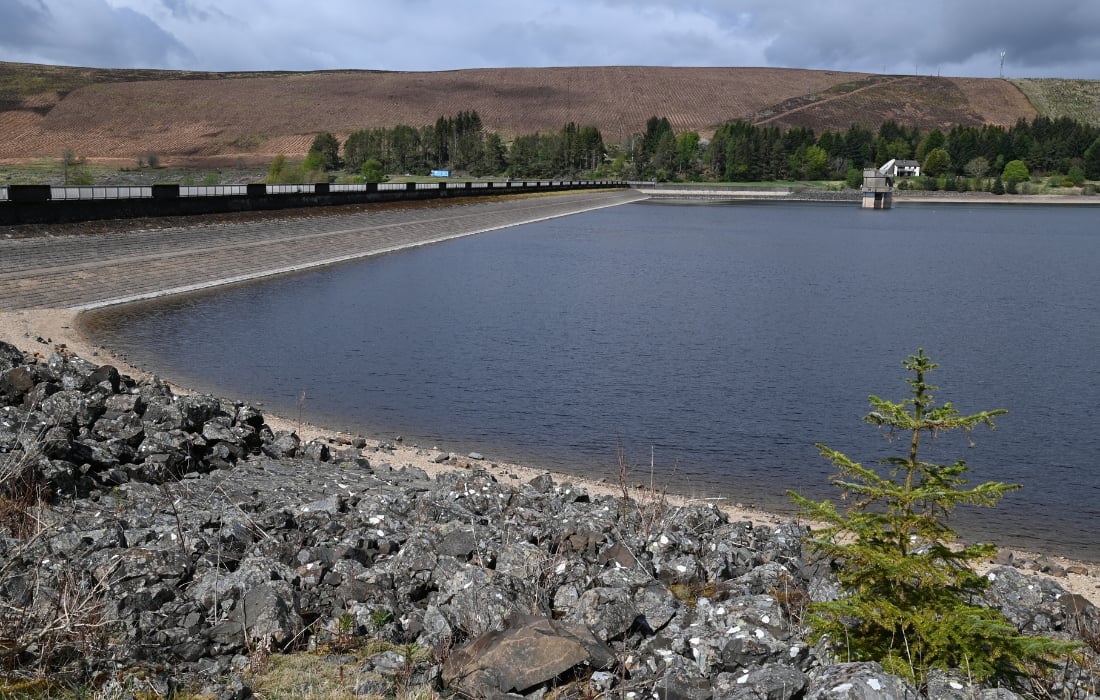
As the UK’s exceptionally hot, dry summer has highlighted, water scarcity is becoming a critical concern in several parts of the country.
England could face a daily shortfall of 5 billion litres by 2055, with supplies particularly stretched in the south and east.
To tackle the problem, the industry has identified a programme of 33 infrastructure projects known as strategic resource options (SROs).
The SROs include new reservoirs, desalination facilities and water transfer systems. The 10 reservoir-building projects alone are expected to cost more than £20bn.
Recognising the importance of the programme and the factors that could prevent its timely delivery, the ICE has established the National Reservoir Infrastructure Forum.
This independent, evidence-led group assembles experts from stakeholders including water companies and their suppliers, industry regulators, professional bodies and academic institutions.
Its work includes:
The SRO programme is highly ambitious, not least because no large water supply reservoir has been built in the UK for more than three decades.
So far, construction has started on only one of the 10 planned: Havant Thicket Reservoir in Hampshire, which will be the first to be completed since Carsington Water in 1992.
The largest reservoirs are expected to take about 15 years to plan, build and commission.
As well as helping to keep the taps flowing, new reservoirs are needed to protect rivers and other water sources from over-abstraction (removing more water than can be naturally replaced).
The Environment Agency has tightened the conditions of several water companies’ abstraction licences, requiring new infrastructure to be operational by the early 2040s.
The industry must also complete a five-year asset management programme by 2030. Ofwat has approved £104bn of investment in this, including £8bn to boost supplies and manage demand.
On top of that, many other critical infrastructure projects are planned in other sectors over the same period, which will place significant strain on supply chains.
Given the scale and complexity of the work required – and the intense competition for capacity and resources – can the water industry deliver its SRO programme?
So far, four key messages have emerged from the forum on how to give the industry the best chance of completing all the projects on time.
For the SRO programme to have any chance of success, unprecedented levels of collaboration among promoters and suppliers will be needed.
A clearer overview of how projects are progressing would greatly improve the UK’s ability to deliver the reservoirs programme.
Regulatory reforms have created the opportunity to form a coordinating body, possibly building on the Regulators’ Alliance for Progressing Infrastructure Development.
The body’s role would be to identify economies of scale, tackle bottlenecks and share knowledge across the programme.
Some consenting requirements under the Reservoirs Act 1975 are unnecessary and should be removed.
The forum believes that doing this promptly could significantly reduce how long it takes to complete a project.
This should be accompanied by a firm directive to press ahead.
The case for building several new reservoirs is clear, but uncertainty over whether, when and how these projects will proceed is undermining confidence among investors and suppliers.
It is also hampering the formation of alliances needed to undertake the large and complex contracts these projects require.
With its reputation at a low ebb, the industry is struggling to attract the professionals it urgently needs to replenish its ageing workforce and deliver the programme.
It should use large reservoir projects to engage with young people, educational institutions and the wider public.
Every company has a duty to invest in education and provide clear development pathways, while every established professional has an opportunity to help nurture new talent.
This is a chance to leave a legacy. For a generation interested in sustainability and climate resilience, few other careers offer greater scope to make a lasting positive impact.
The need for more reservoirs and other strategic water infrastructure is beyond question, but can we organise ourselves to build them at the pace and scale required?
The decisions we make today on collaboration, regulation and workforce development will determine whether the UK can meet its water needs tomorrow.
For further information about the National Reservoir Infrastructure Forum, email [email protected].


The Infrastructure Client Group's 2026 benchmarking survey shows progress, but greater focus is needed on value, data quality and delivery outcome.

ICE President David Porter explains why being informed about flood risk is so important for the public and civil and infrastructure engineers.

The electrification of the Core Valley Lines impressed the judges at the 2026 British Construction and Infrastructure Awards.