

Year
2026Duration
5 yearsCost
£330MLocation
United KingdomProject achievements
Connected communities
Reconnected communities with Newcastle and the wider region
Environment benefitted
Encourages a more sustainable alternative to car travel
Economy boosted
Used local supply chain partners to support investment growth and skills development
Reconnecting communities and unlocking opportunity while supporting a more sustainable future
For more than 60 years, people living in South East Northumberland couldn't take a passenger train between Ashington and Newcastle.
When passenger services were withdrawn in 1963 as part of the Beeching cuts, communities lost vital links with one another, as well as access to jobs, education and opportunities across the region.
The Northumberland Line has brought those connections back.
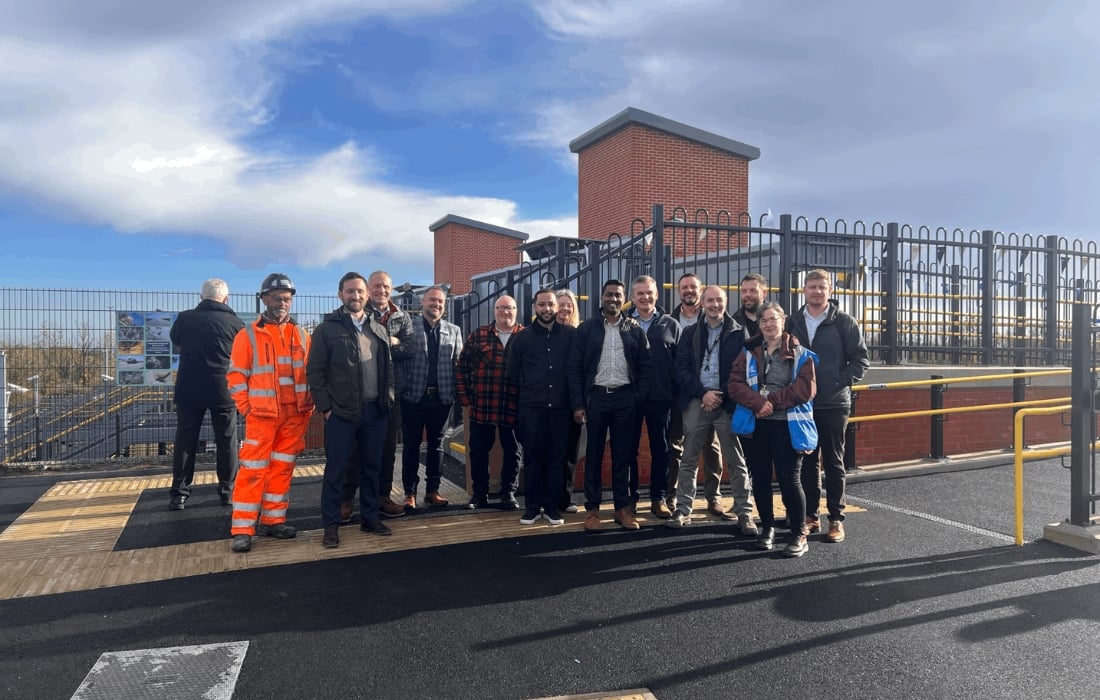
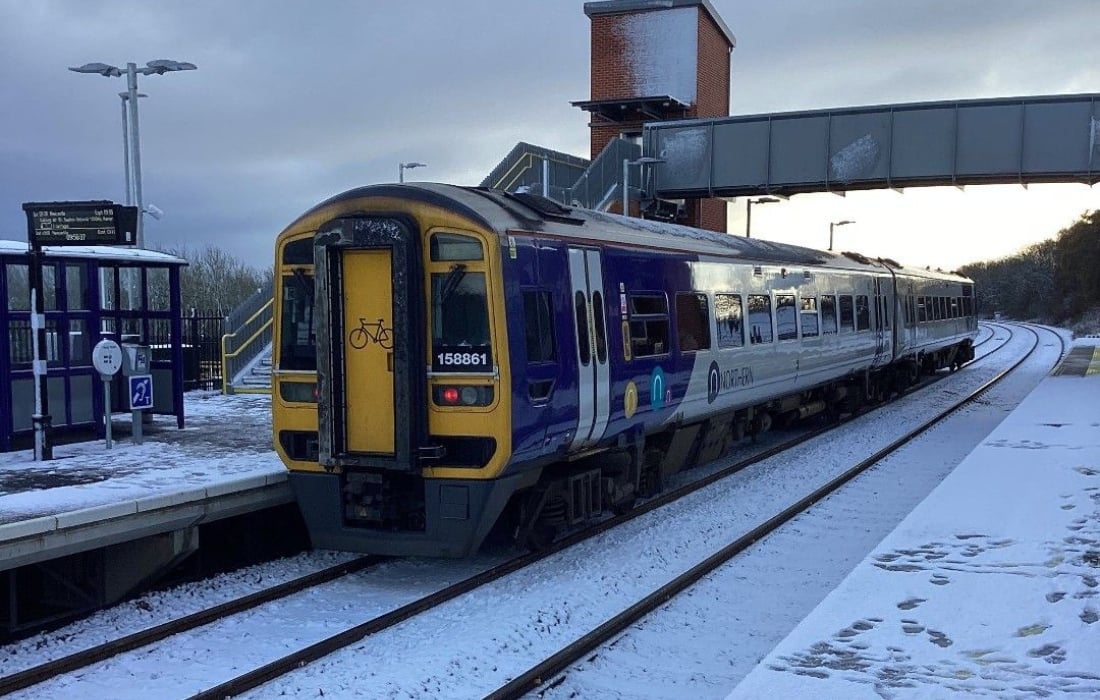
The project restored passenger services along an 18-mile railway corridor and delivered six new stations at Ashington, Bedlington, Blyth Bebside, Newsham, Seaton Delaval and Northumberland Park.
Passengers can now travel between Ashington and Newcastle in around 35 minutes, providing a reliable, accessible and more sustainable alternative to travelling by car.
The railway is helping to support economic growth, regenerate communities and improve access to employment, education, healthcare and leisure opportunities.
Did you know …
-
Passenger trains returned to the route for the first time in more than 60 years, reversing a closure dating back to the Beeching cuts era.
-
The project delivered six stations across 18 miles of railway, reconnecting communities with Newcastle in around 35 minutes, with more than one million passenger journeys made during the first year after reopening, showing how quickly the railway became part of everyday life.
-
More than 2,000 hours of engagement were delivered with local schools and education providers, helping inspire the next generation of engineers, railway professionals and construction specialists.
How the work was done
Delivering the Northumberland Line required civil engineers, railway engineers, planners, environmental specialists and construction teams to work together.
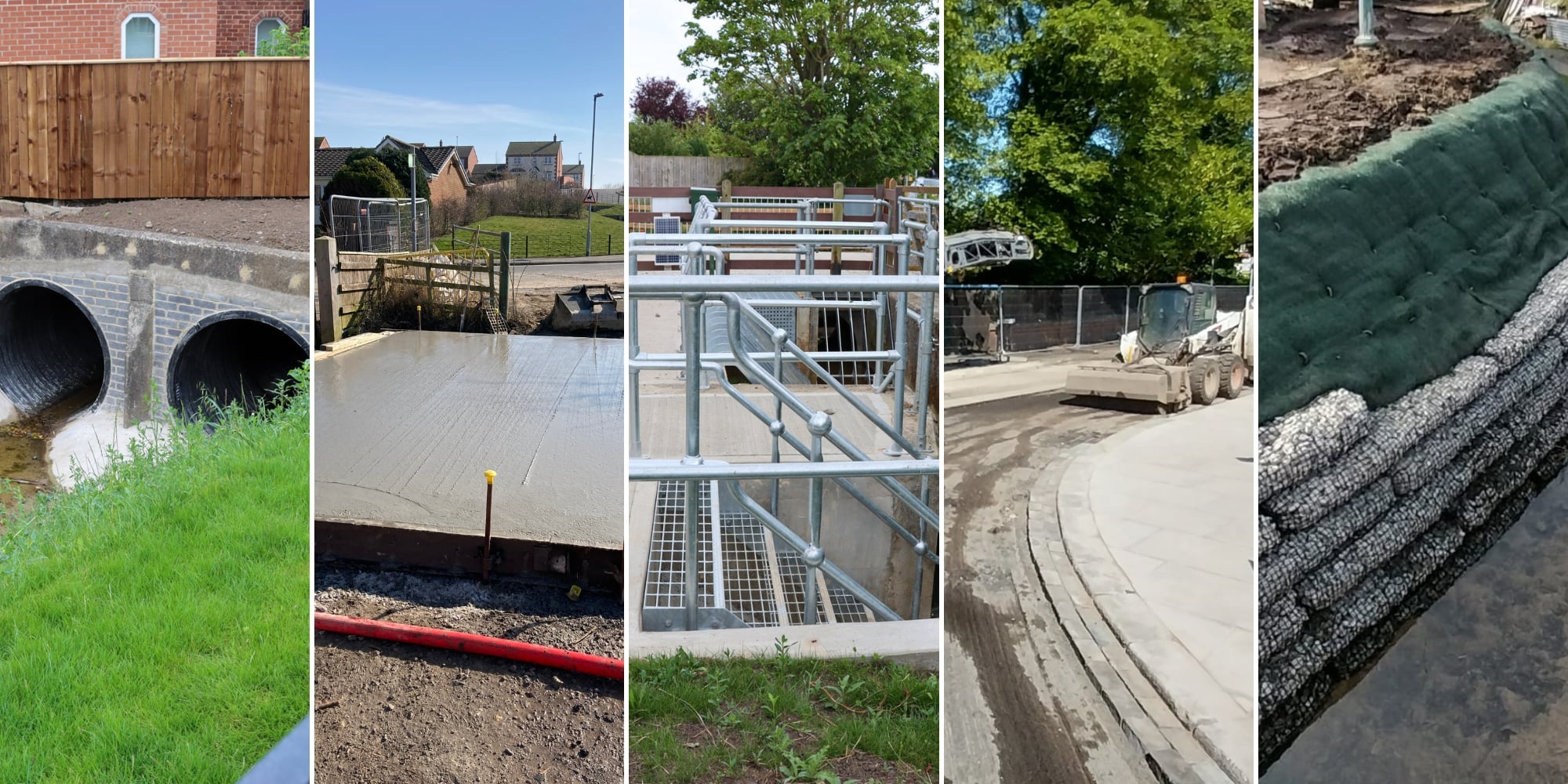
Engineers designed and built stations, bridges, highway improvements, drainage systems and public spaces, often alongside a live railway, busy road network and significant interfaces with residential communities.
One of the biggest engineering challenges came from the region's industrial heritage.
Historic coal mining left complex ground conditions beneath several sites, requiring extensive investigation and specialist engineering solutions before construction could safely begin.
The project also showcased innovative construction techniques.
At Palmersville, a new underpass was built beside the railway and moved into position using self-propelled transporters during a planned closure.
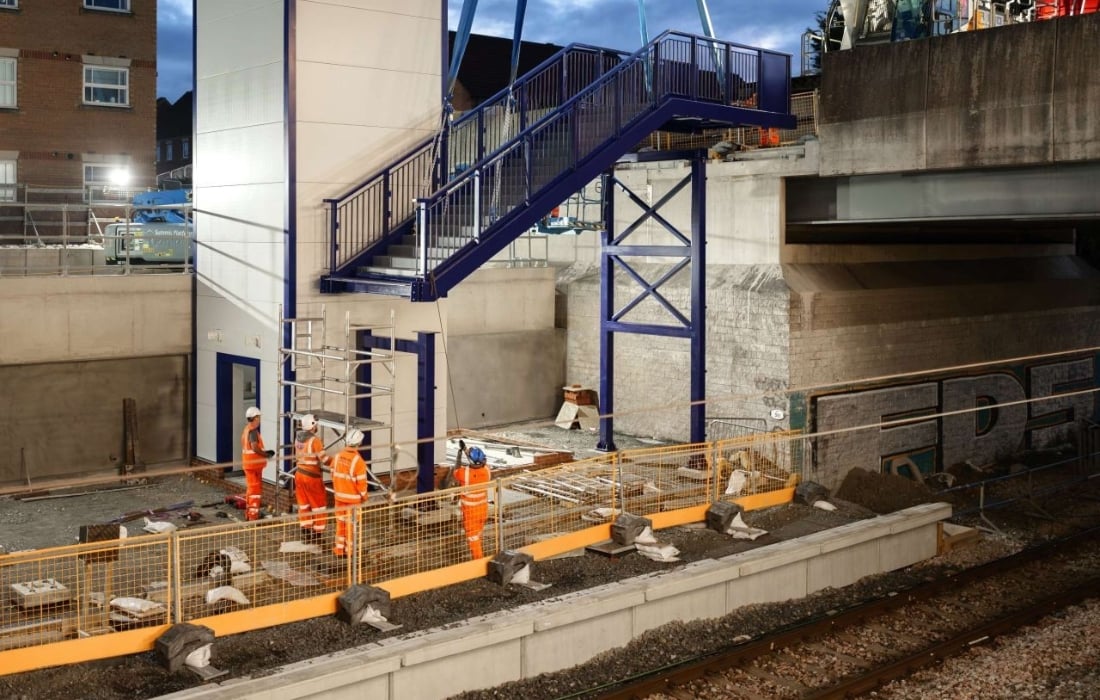
At Northumberland Park, a lift shaft was assembled off-site and installed during a single railway possession (or closure), reducing disruption while improving safety and efficiency.
A key lesson from the programme was the value of collaboration.
Early contractor involvement brought designers, constructors and stakeholders together from the outset, helping the team identify risks early, improve buildability and develop solutions that delivered better outcomes for passengers and communities.
This collaborative approach has since attracted interest across the rail industry as an example of how major infrastructure projects can be delivered more effectively and what lessons are to be learned to inform future delivery.
Difference the project has made
The Northumberland Line's success can be measured by more than engineering alone.
More than one million passenger journeys were made in the first year after reopening, demonstrating strong demand for better public transport connections.
The project also generated significant social value, supported local employment, created apprenticeships and work placements, and delivered STEM activities and rail safety education to several thousands of young people across the region.
The project also used and developed several local supply chain partners to support investment growth and skills development in the region.
By investing in people as well as infrastructure, the programme helped contribute to several UN Sustainable Development Goals (SDGs), including:
- Quality education
- Sustainable cities and communities
- Decent work and economic growth
- Climate action
Throughout construction, the project team focused on leaving a positive lasting legacy.
Working with local schools, colleges, community groups and businesses, the programme helped inspire future engineers while supporting local economic growth.
The railway is already reconnecting communities, reducing barriers to opportunity and creating lasting benefits for future generations.
Engineering skills used on the project
- Civil engineering
- Railway engineering
- Structural engineering
- Geotechnical (ground) engineering
- Highways engineering
- Drainage and flood management
- Environmental and sustainability engineering
- Construction management
- Project management
- Digital engineering and surveying
- Health and safety management
Project milestones
Bringing the vision to life: planning, detailed design and early contractor involvement began for the new railway stations and infrastructure.
Trains return: passenger services returned to the Northumberland Line for the first time since 1963, reconnecting communities with the wider region.
Journey complete: the sixth and final station opened, completing the station programme and restoring passenger services along the full route.
People who made it happen
- Northumberland County Council
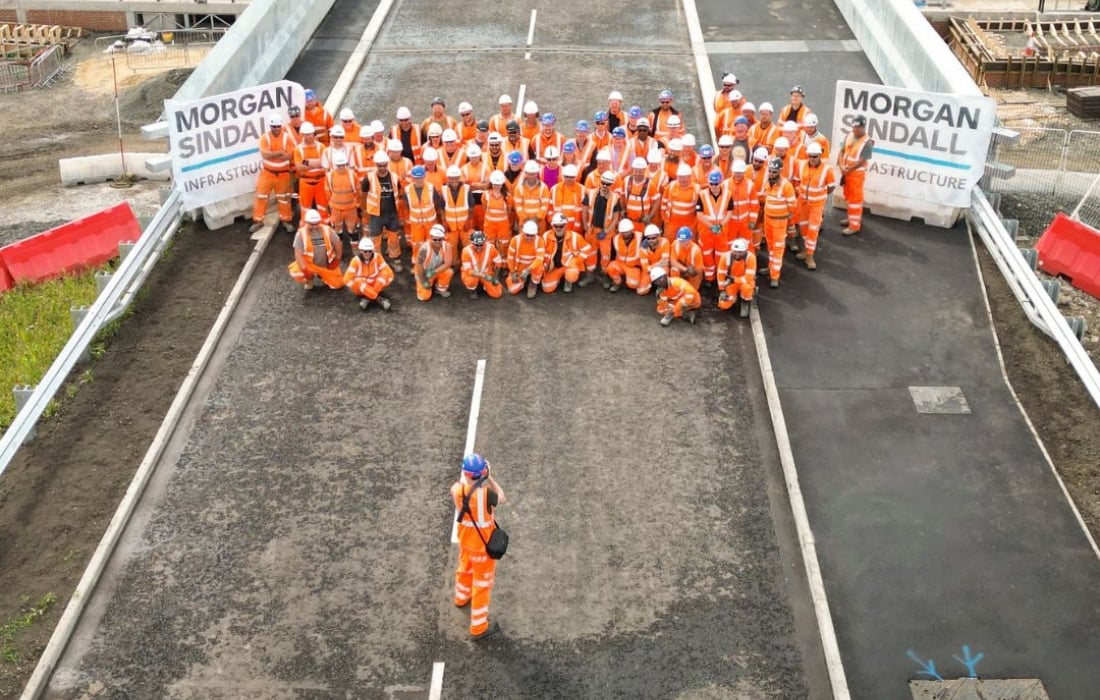
- Morgan Sindall Infrastructure
- AECOM
- Network Rail
- Northern Trains
- SLC Rail
- Local supply chain partners and specialist subcontractors
- Apprentices, graduates and engineers working across the project team
- Local schools, colleges and community groups