





Keith Howells
ICE Past President (2022-2023)
Expertise
Environmental Management, WaterLocation
LondonMy highlights
President of the ICE, 2022-2023
Fellow of the ICE, 2006
Fellow of the Royal Academy of Engineering, 2017
Civil engineers and the UN SDGs: Keith Howells’ presidential theme
Addressing ICE members on a November evening in 2022, Keith Howells inaugurated his year as president by declaring climate change “the defining issue of our age”.
“I’ve worked in over 30 countries, in both the developing and developed world,” the ICE’s 158th president said.
“It’s been clear to me for many years that we can’t continue as we have been. It isn’t sustainable.”
To address the issue, Keith outlined seven aims for the ICE:
- To raise engineering standards: specifically, by conferring professional qualifications on our members;
- To put the decarbonisation of our industry at the heart of our agenda;
- To transform the productivity of our industry through modern methods of procurement and construction, including the widespread use of data and digital technology;
- To work with others to build resilience and mitigate the effects of climate change on our infrastructure;
- To transform the availability of water, sanitation and affordable clean energy, particularly in the global south;
- To develop a technology-focused mobility and transportation programme, to facilitate a reduction in the carbon intensity of transport; and
- To work with others to enhance the knowledge, insight and ethical understanding of engineers.
To achieve this strategy, Keith encouraged civil engineers to support the delivery of the UN Sustainable Development Goals (SDGs).
During his year, Keith sought to raise awareness of how the individual SDGs applied to engineers’ work, even the ones that seem less directly related.
We asked Keith…
Education and career
Keith Howells studied civil engineering at University College, Swansea.
He started his degree in 1974, the same year he joined the firm Sir M MacDonald & Partners – which became Mott MacDonald in 1989 when it merged with Mott, Hay & Anderson.
In 1981, he became a Chartered Engineer with the ICE, and in 1986 he attended Cranfield University to obtain an MBA.
His role at Mott MacDonald evolved from project director, to managing director for water of environment, director of group services, group managing director and eventually chair of the consultancy. He retired in 2019.
Keith spent many years working on the technical aspects of water and environmental engineering.
He worked on the planning, design and construction of hydraulic structures, river engineering schemes, urban drainage and sewage, hydropower and water supply schemes.
He worked on projects around the world, some funded by international finance institutions like the World Bank.
Involvement with the ICE
Keith became a Fellow of the ICE in 2006.
Following his retirement in 2019, he joined the ICE Trustee Board and became a vice president.
He was senior vice president from 2021 to 2022. During this time, he led a review into the roles and responsibilities of the ICE leadership team, conducted in light of widely publicised governance issues at RICS.
Keith was ICE president from November 2022 to November 2023.
Honours
As well as being a Fellow of the ICE, Keith is an Honorary Fellow of the Chartered Institution of Water and Environmental Management (2012) and a Fellow of the Royal Academy of Engineering (2017).



Related Content

- Type
- ICE Community blog
ICE President Keith Howells visits Scotland
In his debut blog, ICE President Keith Howells recounts his visit to Scotland, including project tours and a roundtable discussion.

- Type
- ICE Community blog
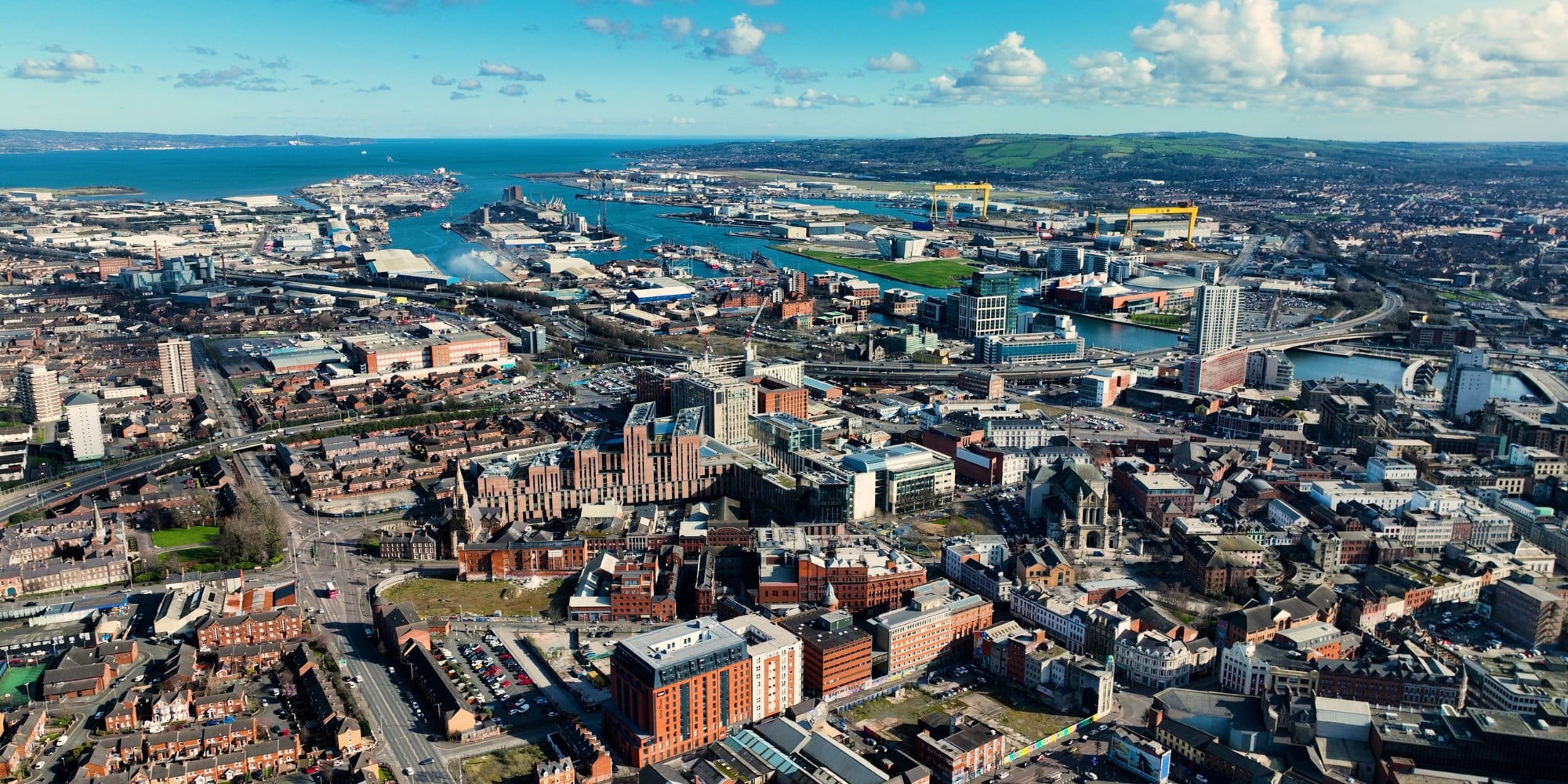
ICE President Keith Howells visits Northern Ireland
ICE President Keith Howells's tour of the region includes a visit to the NI Department for Infrastructure.

- Type
- News
Yorkshire and Humber councils share frustration over central government funding with ICE President
Keith Howells met with local industry stakeholders on a visit to Yorkshire.
- Type
- ICE Community blog
ICE president highlights innovation during South West and North West visits
Keith Howells toured exciting new facilities and projects while visiting these UK regions.

- Type
- ICE Community blog
ICE president raises the institution’s profile in Hong Kong and China
During his 10-day visit, Keith Howells met with members, fellows, government officials, and many others.

- Type
- ICE Community blog
ICE president explores opportunities and challenges in the East Midlands and the South East
During his visits, Keith Howells learned how regional projects are working to lower their carbon footprint.

- Type
- ICE Community blog
Future of Thames River flood defences is focus of London presidential visit
The Thames Barrier is already being used far more often than originally planned for.

- Type
- ICE Community blog
ICE president talks skills shortage and climate change in Australasia
During his visit to Australia and New Zealand, Keith Howells engaged with local members and learned about the countries’ objectives.

- Type
- ICE Community blog
Water and renewables in focus during Republic of Ireland presidential visit
Keith Howells learned about the history of Cork’s water supply and took part in discussions about sustainable and resilient infrastructure.

- Type
- ICE Community blog
West Midlands and Wales showcase innovation during presidential visit
ICE President Keith Howells admired civil engineering projects across the regions during site visits and annual awards ceremonies.

- Type
- ICE Community blog
ICE President explores digital innovations during East of England visit
Keith Howells learned about new software and research that can help make material and carbon savings.

- Type
- ICE Community blog
The value of professional qualification in focus during presidential visit to the Middle East
ICE President Keith Howells’ final international visit was to Qatar and the United Arab Emirates.

- Type
- ICE Community blog
There’s trust in ICE’s leadership – but we shouldn't be complacent
ICE senior vice president Keith Howells gives an update on the review of leadership at the Institution of Civil Engineers.

- Type
- Infrastructure blog
10 simple ways to ensure a successful infrastructure project
The principles may seem obvious, but it's surprising how many are overlooked in the rush to build, explains ICE Fellow Keith Howells.

- Type
- Infrastructure blog
The 3 areas that the UK’s next National Infrastructure Assessment must address
Following a consultation from members, ICE has published a policy paper that makes nine recommendations for the UK's second NIA.

- Type
- Infrastructure blog
How can we help achieve net zero?
This year’s State of the Nation report will focus on one of the most important sustainability issues of the day – achieving net-zero greenhouse gas emissions. Steering Group Chair, Keith Howells, sets out what the report hopes to achieve.

- Type
- Infrastructure blog
State of the Nation 2020 - Infrastructure and the 2050 Net-Zero Target
Today ICE releases its annual State of the Nation report, which this year is looking at infrastructure and the net-zero emissions target. The Chair of the report’s Steering Group, Keith Howells, provides an overview of the key findings and recommendations.
- Type
- News
Council update December 2022
In its first session of the presidential year, the ICE Council welcomed the Joint Board of Moderators, discussed the ICE’s governance arrangements, and looked at CPD.
- Type
- News
Trustee strategy day update – February 2023
Knowledge networks, UNSDGs and a vision for 2030.
- Type
- News
Trustee Board update March 2023
Annual accounts, a new membership system and a new audit committee chair were discussed.
- Type
- News
Trustee Board update July 2023
ICE's carbon vision, EBI and the institution's five-year plan were discussed.

- Type
- News
ICE Council update July 2023
In its July meeting, the ICE Council discussed the professional reviews survey findings, AI, and the UN SDGs.
- Type
- News
ICE Council update April 2023
In its April meeting, the ICE Council discussed the role of communications, Design Champions and PAS 2080.
- Type
- News
Trustee Board update September 2023
Trustees discussed a range of topics including the ICE’s 2024 plan, the TTL strategy and feedback from the latest ICE survey.
- Type
- News
ICE Council update October 2023
At its October meeting, the council heard updates on the Benevolent Fund, the CPD consultation and engagement with external organisations.